One-Stop Conveyor Parts Supplier
Reliable solutions from China for mining, cement, ports and bulk material handling industries.
- Complete conveyor component manufacturing capabilities
- Stable quality for long-term and repeat orders
- Supporting global industrial projects and distributors
Conveyor System Overview
A conveyor system is widely used in industries such as mining, cement and ports to transport bulk materials efficiently and continuously.
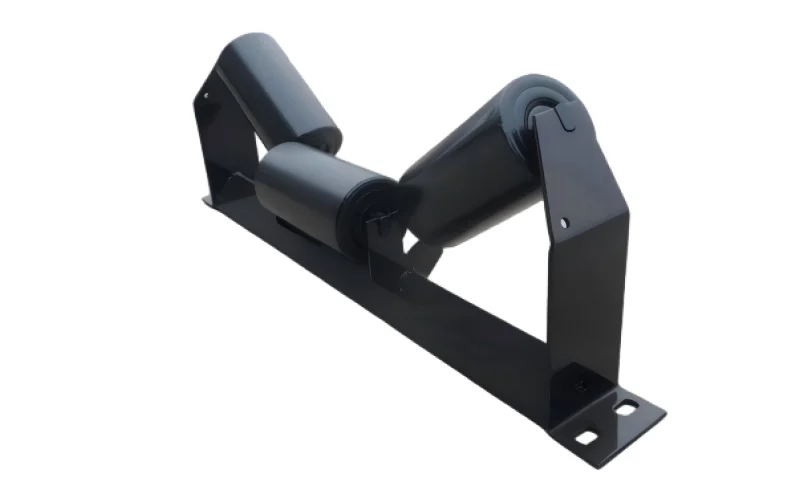
- Idler System
Supports belt movement and ensures stable material transport - Pulley System
Drives the belt and maintains proper tension and direction - Belt Cleaning System
Removes carryback and reduces material buildup - Impact Protection System
Protects the belt at loading zones from heavy impact - Skirting System
Seals material at transfer points and reduces spillage and dust
Explore IDLERON Conveyor Components
IDLERON provides a complete range of conveyor components designed to improve system reliability, reduce maintenance and support long-term industrial operation.
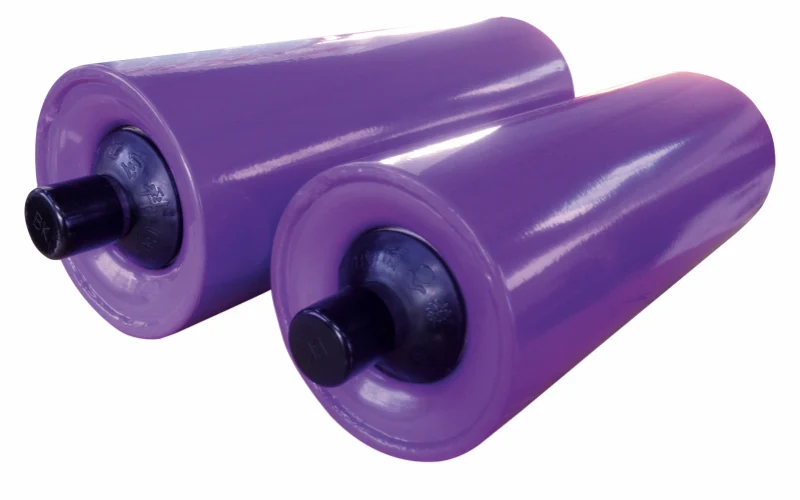
Conveyor Idlers / Rollers
IDLERON idlers ensure smooth belt movement and stable material transport across the entire conveyor system.
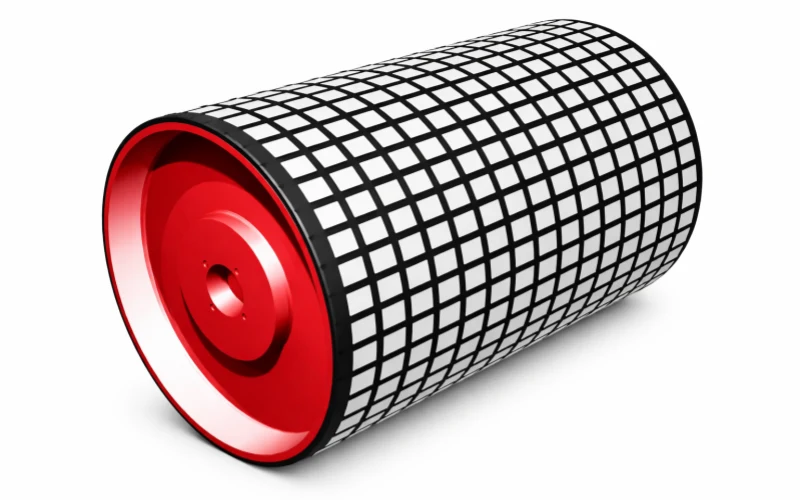
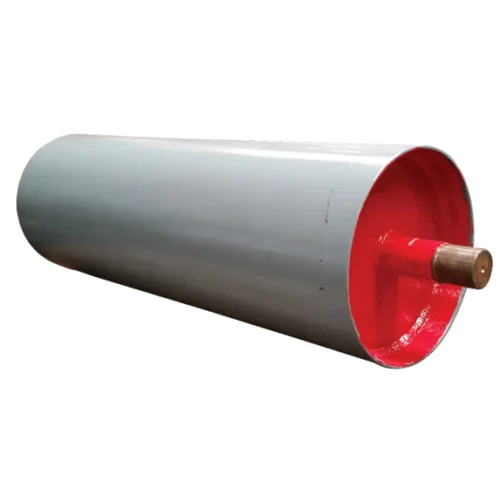
Conveyor Pulleys
IDLERON pulleys control belt direction, drive and tension for efficient and reliable operation.
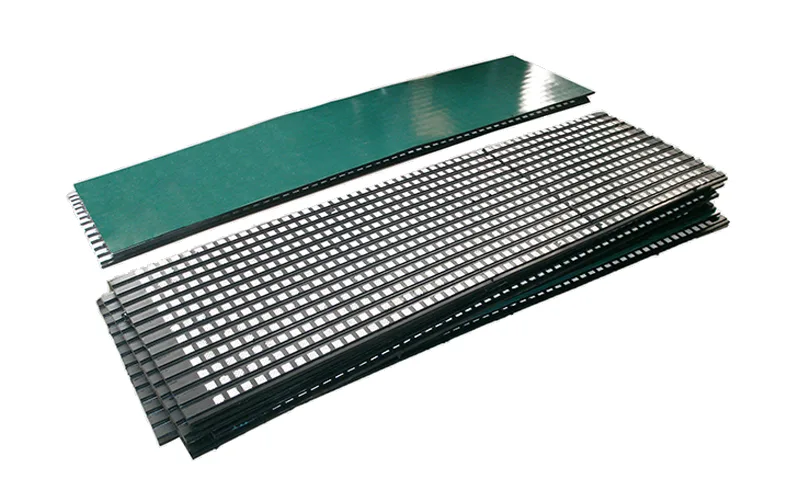
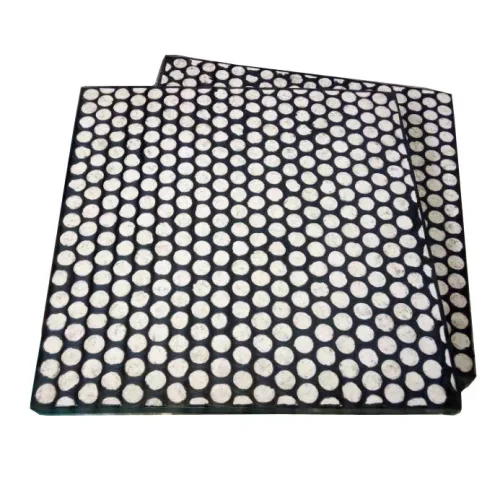
Pulley Lagging
IDLERON pulley lagging improves traction and reduces slippage under wet and abrasive conditions.
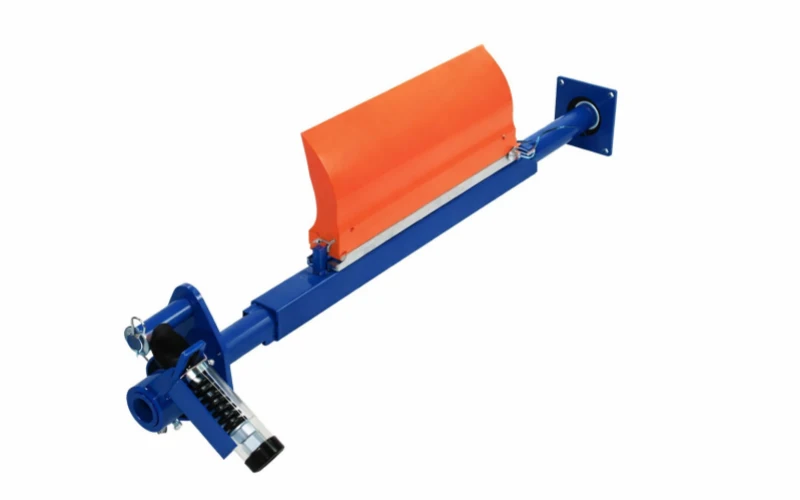
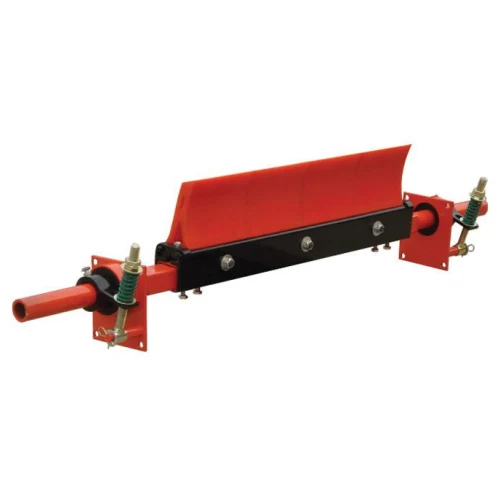
Conveyor Belt Cleaners
IDLERON belt cleaners remove carryback material and maintain a clean and efficient belt surface.
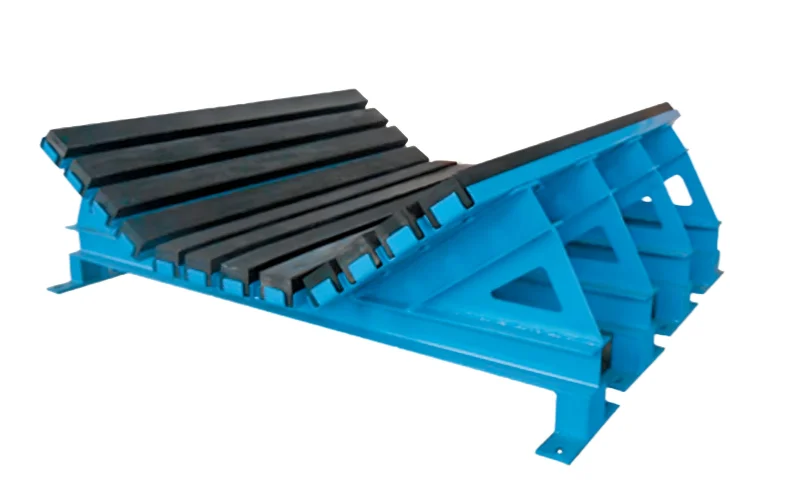
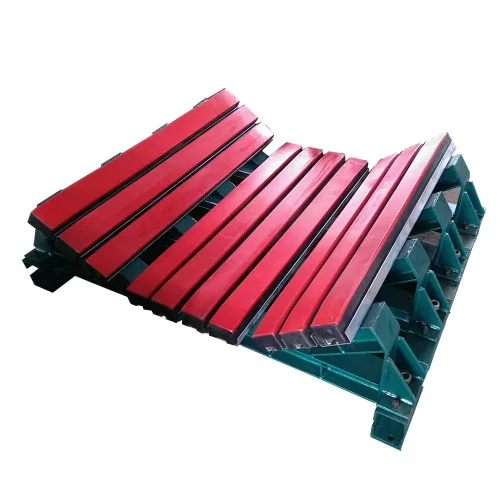
Impact Beds
IDLERON impact beds absorb heavy impact at loading points and protect conveyor belts from damage.
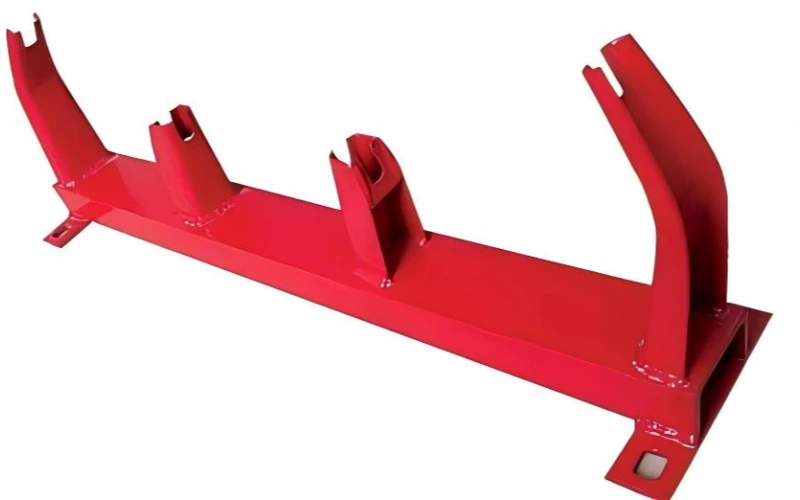
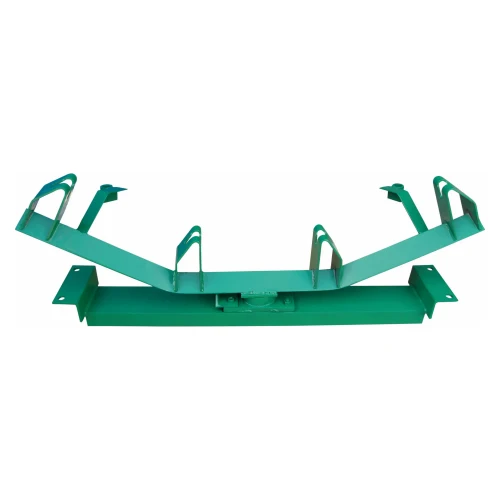
Idler Frames
IDLERON frames provide stable support and proper alignment for idler systems in different conveyor structures.
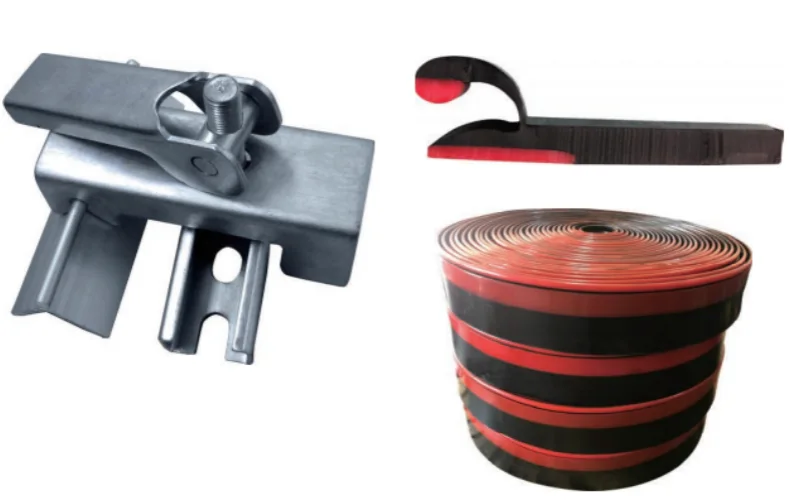
Skirt Board
IDLERON skirting systems seal transfer points and reduce material spillage and dust.
How Conveyor Components Actually Improve System Performance
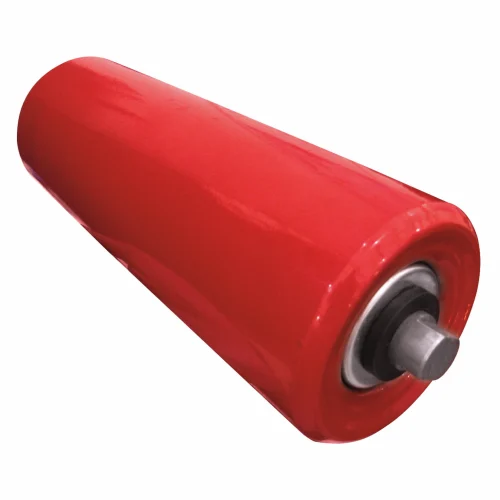
Stable Belt Tracking Through Idler Design
Key Parts: Idlers, Frames
Precision-machined rollers with controlled runout and balanced shells reduce vibration during rotation. Combined with sealed bearing systems, they maintain consistent resistance and prevent contamination in dusty environments.
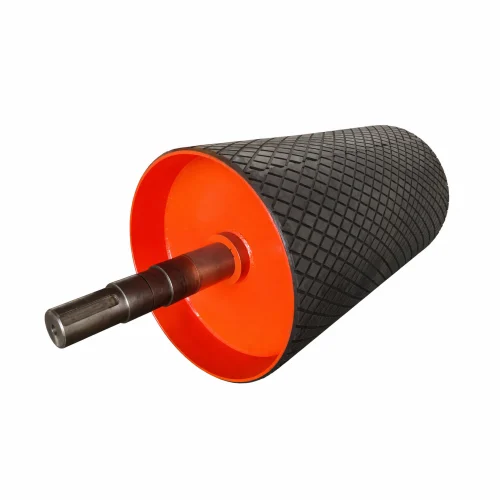
Controlled Drive and Tension Distribution
Key Parts: Conveyor Pulleys
Proper pulley diameter and shell thickness ensure stable torque transmission under load. Optimized shaft and bearing configurations maintain alignment, preventing uneven stress and improving long-term operational stability.
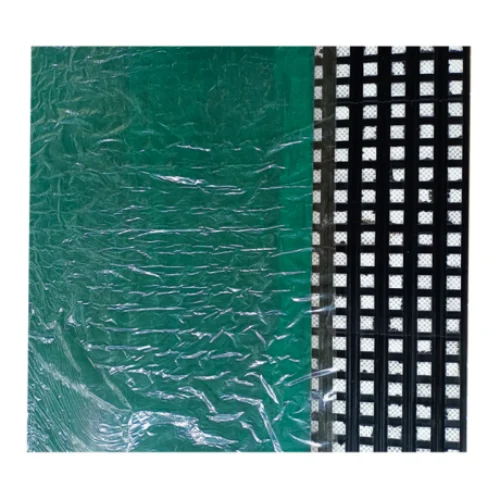
Friction Enhancement at Pulley Surfaces
Key Parts: Pulley Lagging
Rubber or ceramic lagging increases surface friction between belt and pulley. This improves grip under wet or abrasive conditions, reduces slippage, and stabilizes drive performance during continuous operation.
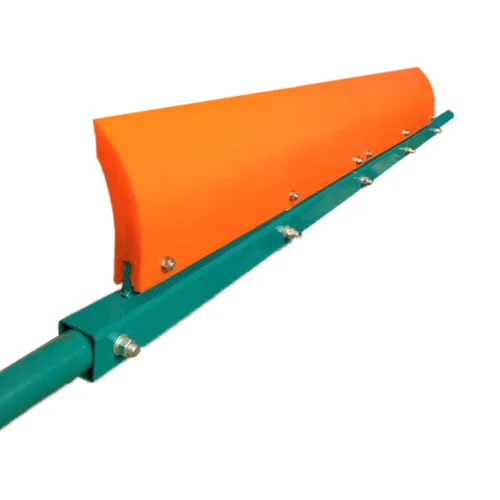
Carryback Removal Through Layered Cleaning
Key Parts: Belt Cleaners
Primary and secondary cleaners work in sequence to remove bulk material and residual fines. Blade materials and pressure settings are optimized to achieve effective cleaning without accelerating belt wear.
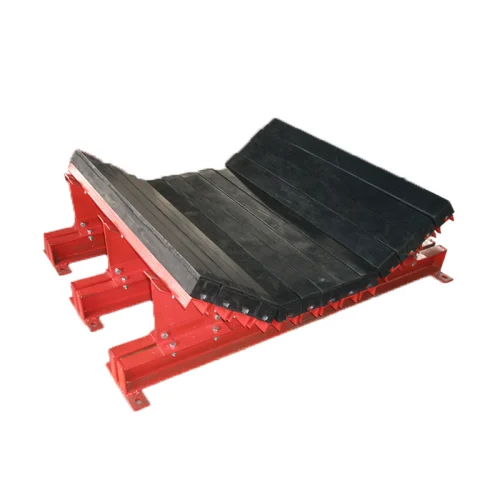
Impact Energy Absorption at Loading Zones
Key Parts: Impact Beds
Impact bars combine rubber cushioning and low-friction top layers to absorb material energy. This reduces belt stress, prevents puncture damage, and maintains consistent support at critical loading points.
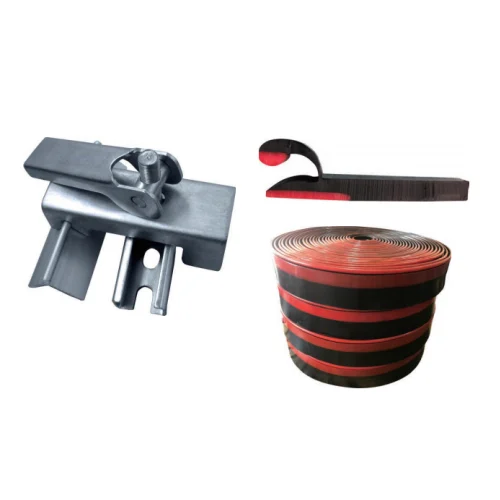
Material Containment Along Transfer Points
Key Parts: Skirting Board
Flexible sealing structures maintain continuous contact with the belt edge. This controls material flow within the loading zone, reduces spillage, and minimizes dust escape in high-throughput operations.
Component Interaction and Design Considerations
Loading Condition → Idler Load Distribution
Uneven material loading at the transfer point directly changes load distribution on carrying idlers. This leads to localized overloading, increased bearing stress and higher rotational resistance, especially in high-capacity conveyors.
Idler Resistance → Pulley Load Increase
Total rotational resistance from idlers accumulates along the conveyor length. Higher resistance increases required drive torque, directly raising pulley load and accelerating lagging wear under continuous operation.
Carryback → Rotating Component Wear
Residual material returning on the belt adheres to idlers and pulleys. This creates uneven surfaces, increases vibration and leads to abnormal bearing wear and premature failure in rotating components.
Sealing Failure → System Contamination
Poor skirting or sealing allows fine material to enter rotating zones. Dust ingress into bearing and sealing systems reduces lubrication effectiveness and shortens service life under high-dust conditions.
Impact Energy → Structural Stress Transfer
Material impact at loading zones transfers energy through the belt to idlers and frames. Without proper absorption, this leads to structural deformation, misalignment and increased vibration across the system.
Friction Instability → Drive Slippage Risk
Insufficient friction between pulley and belt reduces traction stability. Under wet or heavy-load conditions, this causes slippage, uneven wear and unstable conveyor speed during operation.
How IDLERON Controls Key Performance Variables
Stable conveyor performance is not achieved by individual components, but by controlling critical operating variables through engineering design and manufacturing consistency.
Rotational Resistance Control
IDLERON controls rotational resistance through bearing selection, sealing configuration and assembly precision. Tight tolerance control ensures consistent rolling resistance across large quantities of rotating components.
Friction and Traction Stability
Surface materials and contact structures are engineered to maintain stable friction conditions. Lagging design and material selection are optimized to ensure reliable traction under continuous load.
Material Flow and Carryback Control
Material behavior is managed through coordinated design of contact and cleaning interfaces. Blade materials, contact pressure and positioning are controlled to reduce residual material on the belt.
Impact Energy Control
Impact bars are constructed with a High-density polyethylene top layer for low friction, a rubber middle layer for energy absorption, and a steel base for structural support, allowing impact energy to be absorbed without damaging the belt.
Contamination and Sealing Control
Multi-stage sealing structures are applied to limit dust ingress into critical areas. Sealing performance is verified to maintain lubrication conditions and reduce internal wear.
System Resistance Consistency
IDLERON ensures consistency across components by controlling manufacturing deviation and structural alignment, preventing localized resistance variations along the conveyor.
Frequently Asked Questions
-- IDLERON Conveyor Components
Consistency is controlled through standardized production processes and strict dimensional tolerances. Key parameters such as bearing fit, shaft alignment and assembly accuracy are monitored during production. Batch-level inspection is applied to ensure that performance remains stable across all supplied components, not just individual samples.
Basic requirements include product type, dimensions, quantity and application conditions. For more precise matching, details such as material type, working environment and any existing issues can help define specifications more clearly. Providing reference drawings or photos can also improve quotation accuracy.
Yes, components can be manufactured based on existing dimensions or drawings. In many cases, adjustments can be made to improve durability or performance while maintaining compatibility. Accurate measurement data is important to ensure proper fit and function.
Quality control is focused on key performance-related processes rather than only final inspection. This includes control of material selection, machining accuracy, assembly consistency and sealing effectiveness. Each stage is monitored to ensure that components meet both dimensional and functional requirements.
Customization can include size adjustments, material selection, structural modifications and configuration changes. This allows components to better match specific working conditions. The goal is not only dimensional compatibility, but also improved performance under actual operating conditions.
Different environments require adjustments in materials, sealing structures and surface treatments. Components can be configured to handle conditions such as high dust, moisture or abrasive materials. These adjustments are made based on application data rather than fixed product configurations.
Lead time depends on product type, order quantity and level of customization. Standard configurations typically have shorter production cycles, while customized components require additional manufacturing and verification time. Clear specifications and confirmed drawings help reduce delays.
Supply stability is maintained through controlled production planning and standardized manufacturing processes. Consistent sourcing of raw materials and repeatable production methods help ensure that products remain uniform across different batches and delivery cycles.
Talk to IDLERON About Your Conveyor Components
Whether you are replacing existing components or planning new supply, you can send your requirements, drawings or reference information for review.