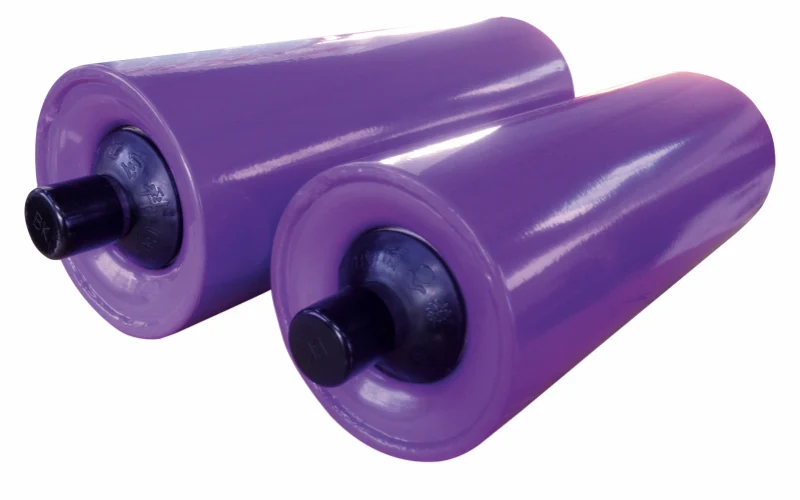
Belt Conveyor Carrying Idlers for Bulk Material Handling

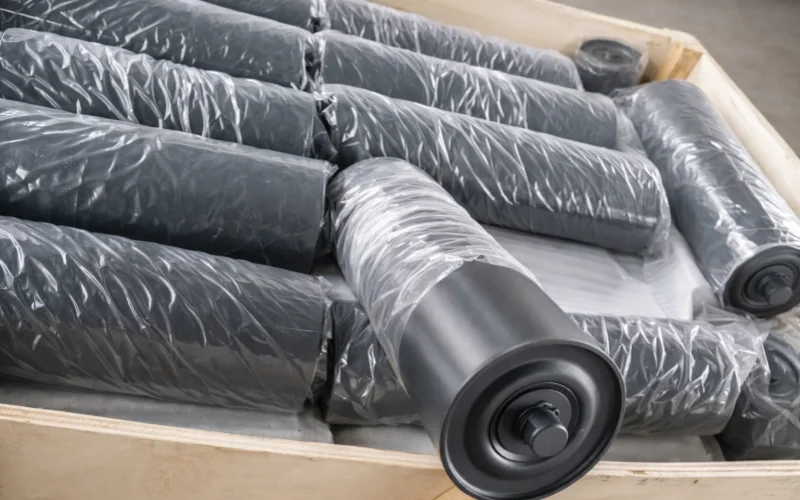
Belt conveyor carrying idlers are installed on the upper side of belt conveyors to support the loaded belt and bulk materials during transport. They form a trough shape that stabilizes the material load and distribute weight across the belt width, helping ensure smooth conveyor operation in industries such as mining, cement, ports, and bulk material handling. 

purple Belt Conveyor Carrying Idlers

Belt Conveyor Carrying Rollers Overview

Belt conveyor carrying idlers are installed on the upper side of belt conveyor systems to support the loaded belt and bulk materials during transport. Typically arranged in a trough configuration, carrying idlers help stabilize the material load and distribute weight across the belt width, ensuring reliable conveying performance in bulk material handling operations.

They are widely used in conveyor systems across industries such as mining, cement production, quarrying, ports, power plants, and aggregate processing, where continuous and stable material transport is essential.

Types of Primary Conveyor Belt Scrapers

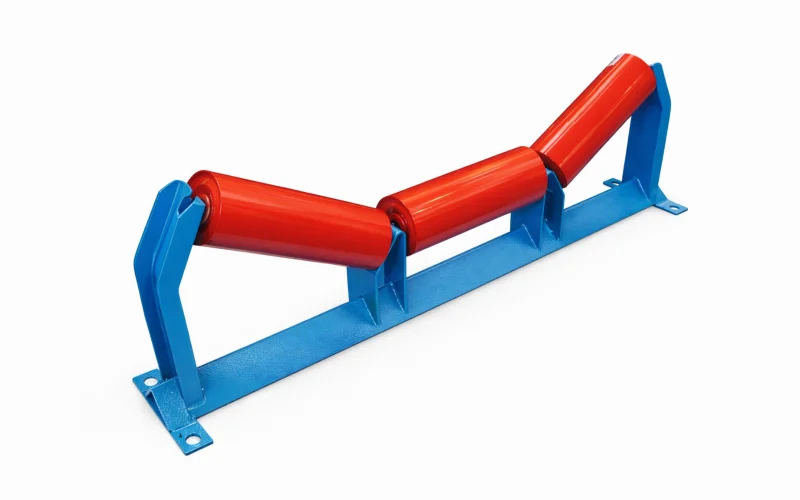
Troughing Idlers set

Troughing Idlers Set

Troughing idlers are the most widely used carrying idlers in belt conveyor systems. Typically arranged with three rollers, they form a trough shape that supports the loaded conveyor belt and stabilizes bulk materials during transport. Troughing idlers are commonly used in mining, quarry, cement, and other heavy-duty bulk material handling applications.
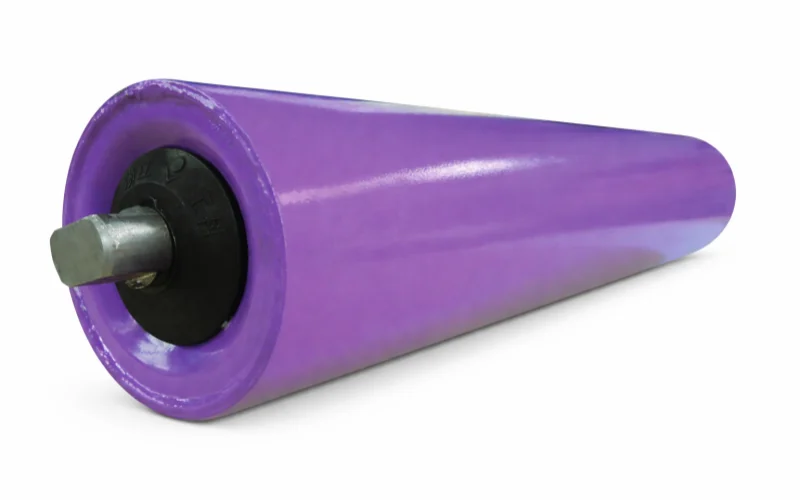
Flat Carrying Idlers

Flat Carrying Rollers

Flat carrying idlers use a single horizontal roller to support the conveyor belt. They are typically installed in specific conveyor sections where troughing support is not required, such as loading zones, transition areas, or short conveying sections. Flat idlers provide stable belt support and smooth belt movement in light to medium duty conveyor systems.
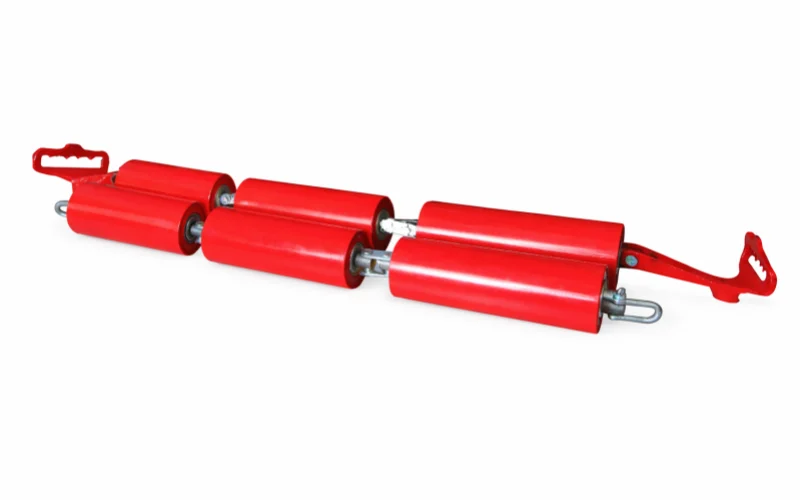
Garland Idlers Set

Garland Idlers Set

Garland idlers consist of multiple rollers connected by chains or flexible links, allowing the idler set to adapt to conveyor movement and impact loads. This flexible structure makes garland idlers suitable for heavy-duty conveyors handling large lump materials, commonly used in mining, port terminals, and long-distance belt conveyor systems.
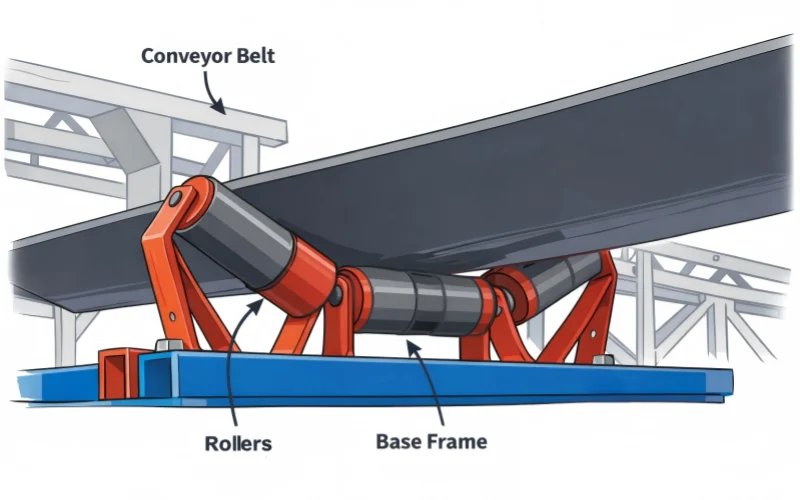
Carrying Idlers Installation Position

Carrying idlers are installed on the upper side of belt conveyor systems to support the loaded conveyor belt and transported materials. They are arranged along the carrying side of the conveyor structure and typically form a trough shape to stabilize bulk materials during conveying.

Proper installation spacing and alignment of carrying idlers help maintain belt stability, distribute material load evenly, and ensure smooth conveyor operation. Correct positioning also reduces belt wear and helps maintain efficient long-distance material transport.

Carrying Idler Structural Design

The reliability of a carrying idler is determined by the quality of its core structural components. IDLERON carrying idlers are manufactured using precision-machined shafts, durable roller shells, high-quality bearings, and multi-stage sealing systems to ensure stable rotation and long service life in demanding bulk material handling environments.

Precision Machined Shaft

Precision Machined Shaft

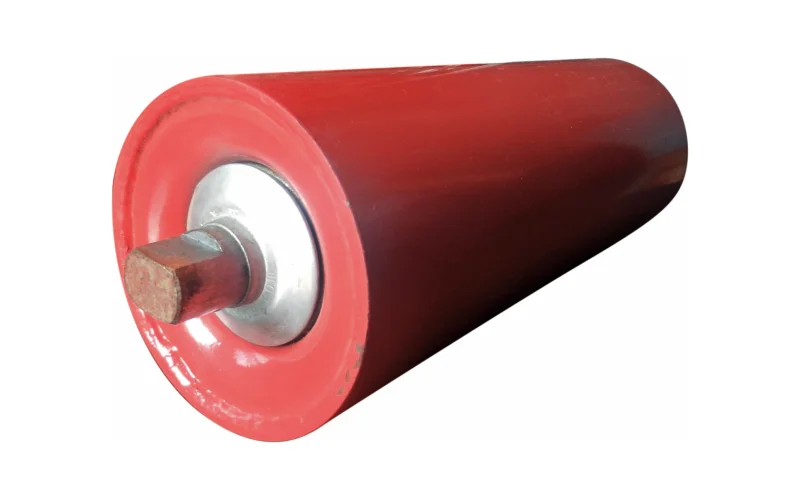
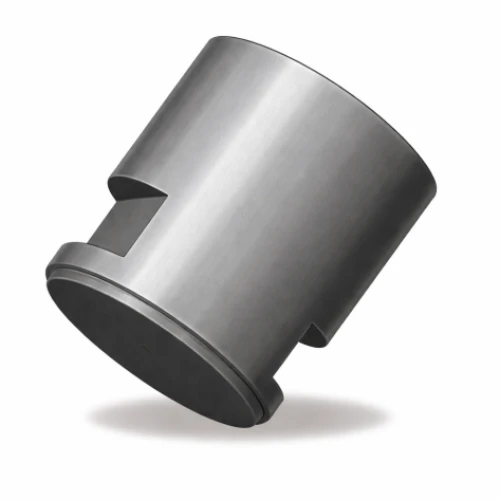
The shaft is the primary load-bearing component of a carrying idler and directly affects running stability and service life. IDLERON idlers use precision-machined steel shafts with controlled tolerance and smooth surface finish, ensuring accurate bearing fit and stable roller alignment. The shaft diameter and machining accuracy are carefully controlled to prevent bending, vibration, or misalignment during long-term heavy-duty conveyor operation.

Heavy-Duty Roller Shell

Heavy-Duty Roller Shell

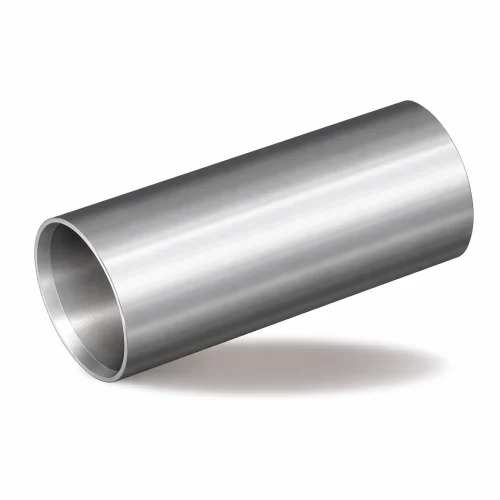
The roller shell supports the conveyor belt and bulk material load. IDLERON rollers are manufactured from high-quality steel tubes with controlled wall thickness and roundness to maintain structural rigidity and stable rotation. This robust roller construction helps the idler withstand heavy loads and abrasive materials commonly found in mining, cement, and aggregate conveying systems.

High-Quality Bearing System

High-Quality Bearing System

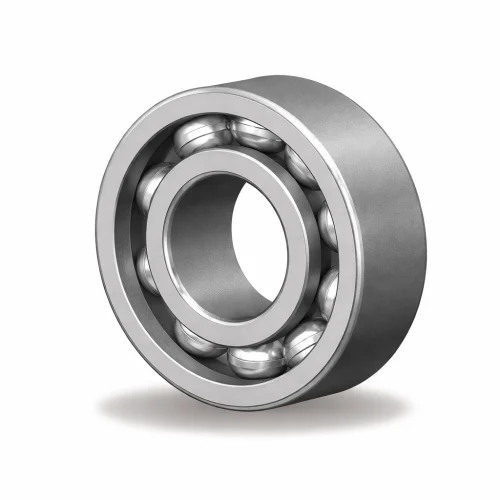
The bearing system plays a critical role in ensuring smooth roller rotation and low rolling resistance. IDLERON carrying idlers use durable bearings designed for continuous conveyor operation, providing stable rotation under heavy loads and high working cycles. Proper bearing selection and precise assembly help maintain reliable performance and reduce the risk of premature failure.

Multi-Stage Sealing Structure

Multi-Stage Sealing Structure

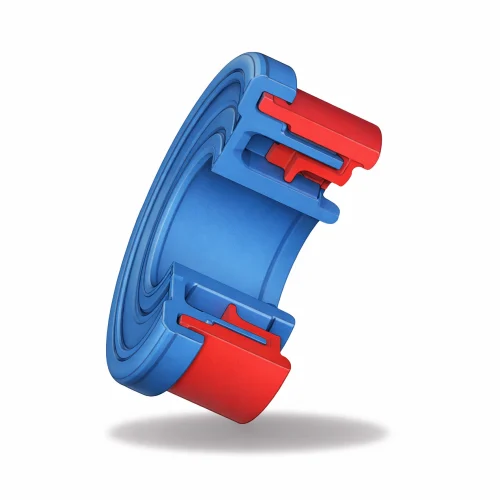
The sealing system protects the bearing chamber from dust, moisture, and other contaminants. IDLERON idlers use a multi-stage labyrinth sealing design combined with grease lubrication to prevent contamination from entering the bearing area. This sealing structure significantly improves bearing protection and extends idler service life in dusty industrial environments.

Carrying Idler Roller Materials

The roller shell material used in carrying idlers affects durability, corrosion resistance, and overall conveyor performance. Different roller materials are selected depending on the conveying environment, operating conditions, and maintenance requirements of the conveyor system.

Carbon Steel Rollers

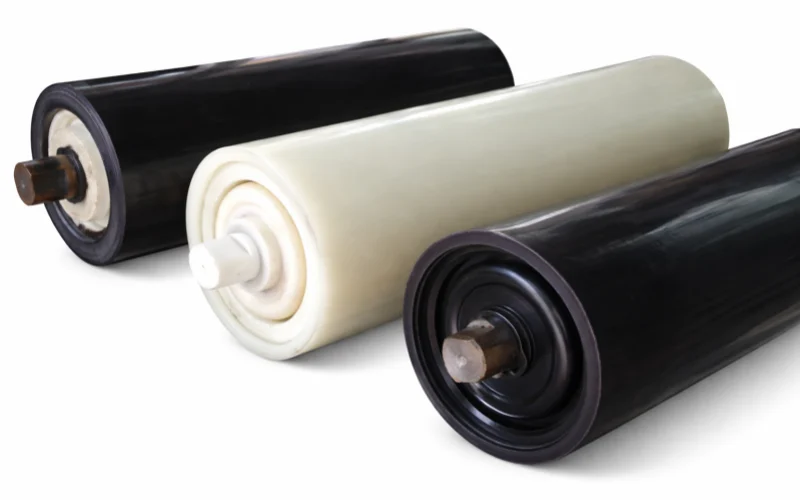
Carbon steel rollers are the most widely used rollers in carrying idler assemblies. They provide excellent structural strength and reliable belt support for heavy-duty bulk material conveying. Carbon steel rollers are commonly used in mining, quarry, cement, and aggregate conveyor systems where durability and load capacity are essential.
HDPE Carrying Rollers

HDPE Carrying Rollers

HDPE rollers are manufactured from high-density polyethylene, offering excellent corrosion resistance and low operating noise. Their smooth polymer surface also helps reduce material adhesion, making them suitable for conveyors operating in humid or chemically aggressive environments.
stainless steel rollers

Stainless Steel Rollers

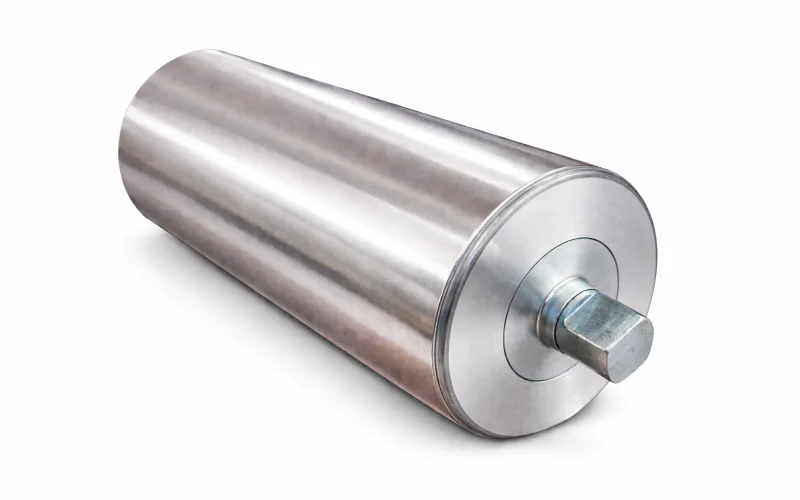
Stainless steel rollers are designed for conveyors operating in highly corrosive environments such as coastal facilities, fertilizer plants, or chemical processing operations. The stainless steel structure provides strong resistance to corrosion while maintaining stable rotation and reliable belt support.
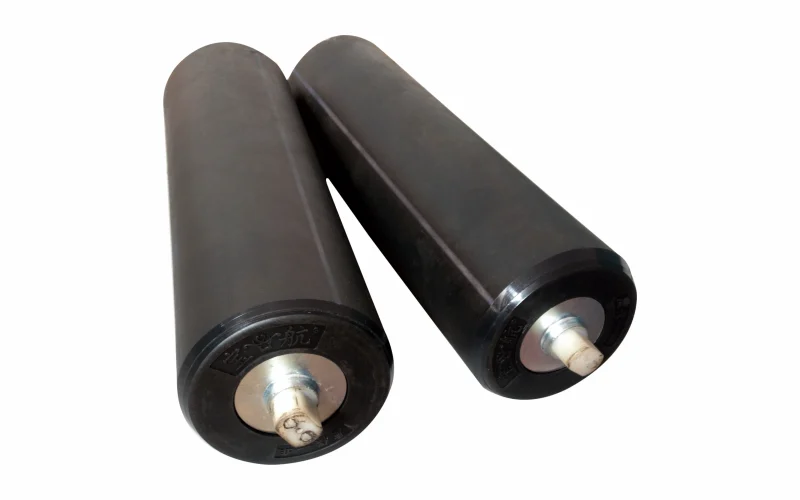
PVC Carrying Rollers

PVC rollers are designed for applications where corrosion resistance and lightweight construction are important. The PVC outer layer provides smooth belt contact and helps reduce noise during conveyor operation. These rollers are often used in environments where moisture or mild chemical exposure may affect standard steel rollers.
Carrying Idlers Applications

Carrying idlers are critical components in belt conveyor systems where bulk materials must be transported continuously and reliably. In different industrial environments, the operating conditions of conveyor systems vary significantly, which places different demands on the stability, durability, and structural strength of carrying idlers.

mining industry

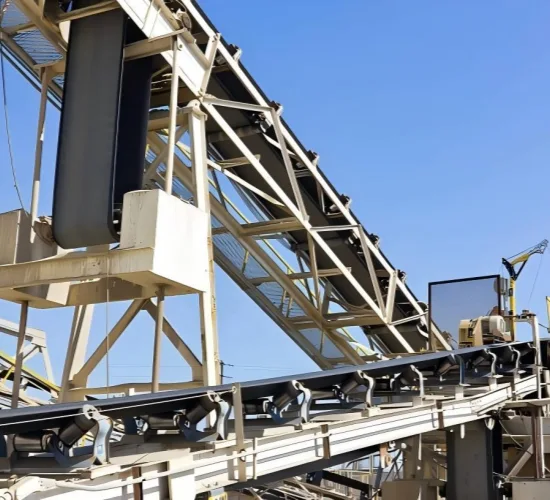
Mining Conveyor Systems

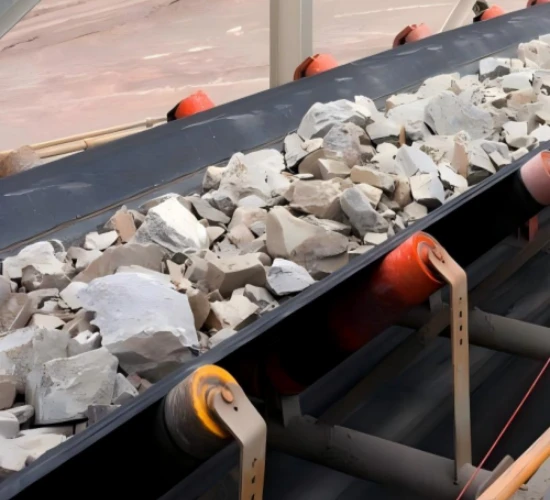
In mining operations, conveyor systems often transport large volumes of abrasive materials such as iron ore, coal, copper ore, and crushed rock over long distances. Carrying idlers must provide stable belt support under heavy loads while maintaining smooth rotation in dusty and harsh environments. Reliable idler performance helps reduce belt wear and ensures continuous material transport in high-capacity mining conveyors.
Cement plant conveyor belt

Cement Plant Conveyors

Cement plants rely heavily on conveyor systems to transport limestone, clinker, gypsum, and other bulk materials throughout different stages of production. These materials are highly abrasive and generate significant dust, which can affect idler performance if sealing protection is insufficient. Durable carrying idlers help maintain stable belt support and reduce maintenance requirements in cement conveying systems.
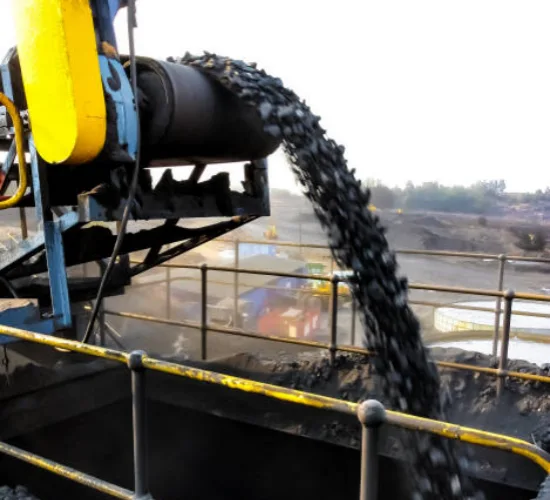
coal handling system

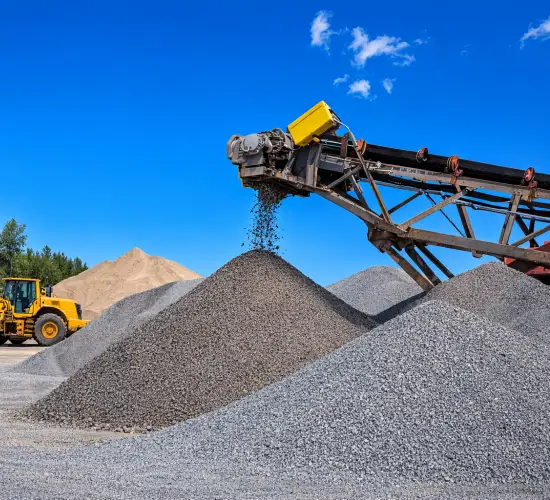
Quarry and Aggregate Handling

In quarry operations, conveyor systems transport crushed stone, sand, and aggregates from crushers to storage or processing areas. The irregular shape and high weight of these materials create demanding load conditions on carrying idlers. Strong roller construction and stable idler alignment are essential to ensure consistent belt support and reliable material conveying.
Aggregate Processing

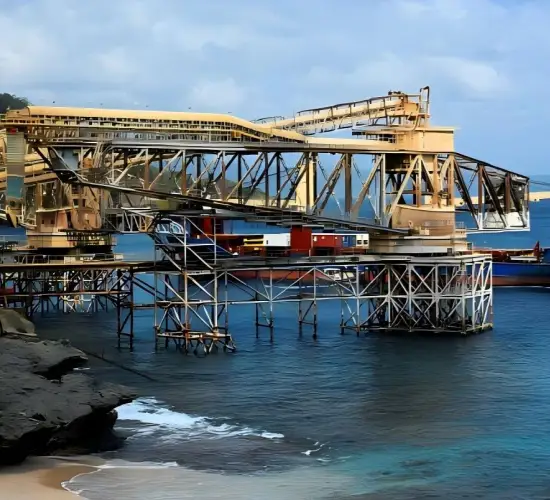
Port Bulk Material Handling

Port terminals commonly use belt conveyors to move large volumes of bulk cargo such as coal, grain, ores, and fertilizers between ships, storage facilities, and transportation systems. Carrying idlers in these applications must operate continuously with minimal downtime while maintaining smooth belt movement across long conveyor routes.
port terminal

Power Plant Coal Conveying

Coal-fired power plants depend on conveyor systems to transport coal from storage yards to boilers. These conveyors typically operate continuously, making idler reliability particularly important. Carrying idlers must provide stable support and smooth rotation to maintain efficient coal transport and reduce operational interruptions.

Advantages of IDLERON Carrying Idlers

Stable Belt Support

IDLERON carrying idlers are designed to maintain consistent belt support under continuous material loading conditions. The roller arrangement forms a stable trough shape that distributes bulk material weight across the belt width, helping prevent uneven loading, belt misalignment, and excessive localized belt wear during conveyor operation.

Smooth and Consistent Roller Rotation

Precision roller assembly and accurate shaft machining allow IDLERON carrying idlers to maintain stable rotation during long-term operation. Smooth roller movement reduces friction between the belt and the idler, improving conveying efficiency and helping maintain consistent belt movement across long conveyor systems.

Reliable Performance in Dusty Environments

Bulk material handling environments such as mining and cement plants often contain large amounts of dust. IDLERON carrying idlers are designed with sealing protection that helps prevent dust and contaminants from entering the bearing chamber, improving bearing reliability and ensuring stable roller rotation during continuous operation.

Lower Maintenance Frequency

Reliable roller construction and stable rotation performance help reduce unexpected idler failures during conveyor operation. By maintaining consistent performance under continuous conveying conditions, IDLERON carrying idlers help lower maintenance frequency and reduce operational interruptions in bulk material handling systems.

Reduced Conveyor Belt Wear

Stable roller rotation and accurate idler alignment help reduce friction between the conveyor belt and the idler surface. By maintaining smooth belt support along the carrying side of the conveyor, IDLERON carrying idlers help minimize belt wear and improve the overall operating life of conveyor belts.

Strong Load Bearing Capacity

The roller shell and shaft structure of IDLERON carrying idlers are designed to withstand heavy material loads commonly found in bulk material conveyors. Strong structural components help maintain roller stability and prevent deformation, ensuring reliable belt support in high-capacity conveying systems.

Not sure which model fits your conveyor?
Industrial Manufacturing Capability

Industrial Manufacturing Capability

IDLERON operates a dedicated production facility covering over 55,000 m², with 630+ employees supporting machining, fabrication, assembly, and inspection processes. The factory is equipped with CNC machining, welding, and forming equipment to ensure consistent manufacturing of conveyor roller components.

Daily production capacity reaches 2,500+ rollers, supported by a stable production system designed for continuous output. Annual roller production exceeds 750,000 units, ensuring reliable supply for bulk material conveyor systems used in mining, cement, and port operations.

Frequently Asked Questions
-- H Type Primary Ceramic Belt Cleaner

Carrying idlers usually refer to the complete support assembly installed on the carrying side of a conveyor, including the rollers and the supporting frame. Carrying rollers refer only to the rotating roller components within that assembly. In actual procurement, some buyers use the two terms interchangeably, but for product classification and technical communication, the difference is important because the frame structure, trough angle, and installation method are defined at the idler assembly level.

The trough angle is selected based on material volume and conveyor capacity requirements. Lower angles are typically used for lighter loads, while higher angles allow greater material capacity by forming a deeper material profile. However, higher trough angles require proper belt support and consistent alignment to maintain stable conveying conditions.

Carrying rollers may stop rotating when internal components are affected by contamination, wear, or improper assembly. Once rotation becomes unstable, friction between the belt and the roller increases significantly, which can affect conveying performance. Identifying rollers with abnormal rotation early helps prevent further impact on the conveyor system.

Carrying idler spacing depends on belt width, load weight, and conveyor design conditions. Heavier materials and wider belts require closer spacing to maintain proper belt support. If spacing is too large, the belt may sag between idlers, leading to uneven load distribution and increased wear during operation.

If the conveyor belt consistently shifts or does not run centrally, carrying idlers may not be providing uniform support. This can be caused by uneven installation, inconsistent spacing, or structural deviation along the conveyor frame. Checking alignment and condition across multiple idler sets is necessary to locate the source of the issue.

Get a Quote for Belt Conveyor Carrying Idlers

Looking for reliable carrying idlers for your conveyor system?

Send us your requirements and get a quick quotation.

Get Quotation Now