Conveyor Belt Skirting Manufacturer
We produce conveyor belt skirting in rubber, polyurethane (PU), and composite structures, so you can match the material to your abrasion level and operating conditions instead of adjusting your system to a single-material supplier.
- Rubber, polyurethane and dual seal conveyor belt skirting options
- Designed for transfer point sealing and dust containment
- Suitable for abrasive bulk materials and heavy-duty environments
- Custom thickness, hardness and width available
- Stable production capacity for bulk supply
Conveyor Belt Skirting Options
Choose the right conveyor belt skirting by wear level, sealing target, and operating conditions.
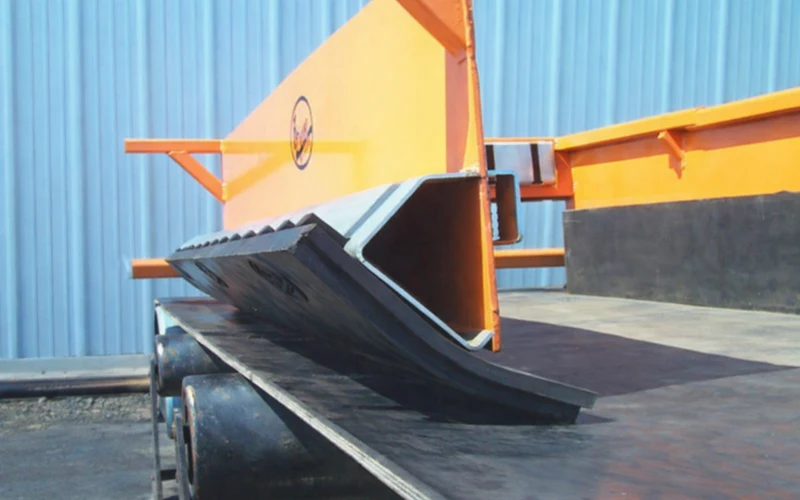
Rubber Conveyor Belt Skirting
Cost-effective conveyor belt skirting for general bulk material handling.
Material Characteristics
- Natural rubber / SBR / NBR options
- Good flexibility and sealing performance
- Suitable hardness range for standard industrial use
Recommended Applications
- Cement plants
- Coal handling systems
- Quarry and aggregate conveyors
- Port bulk material transfer
Reliable sealing with controlled replacement cost.
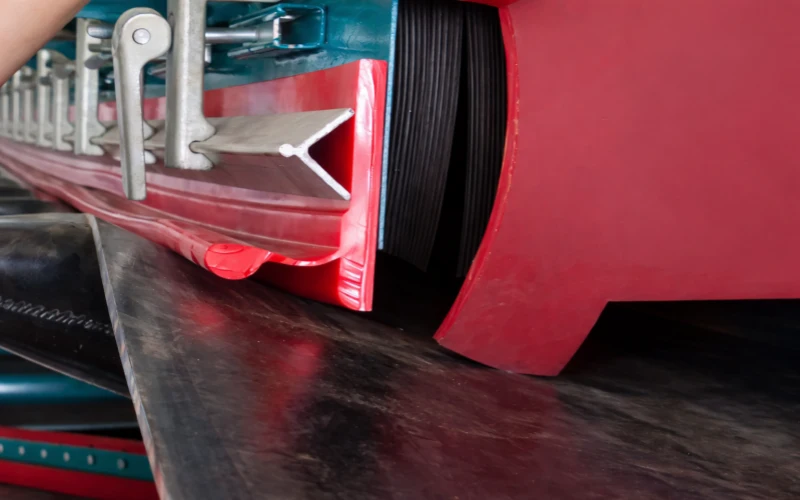
PU Conveyor Belt Skirting
High abrasion-resistant conveyor belt skirting for demanding mining conditions.
Material Characteristics
- High wear resistance value: 30–60 mm³
- Superior tear strength up to 80–100 kN/m
- Stable sealing under high-impact loading
Recommended Applications
- Iron ore conveyors
- Hard rock mining
- Heavy-duty transfer points
- High-tonnage bulk handling systems
Sites where downtime must be minimized and wear life is critical.
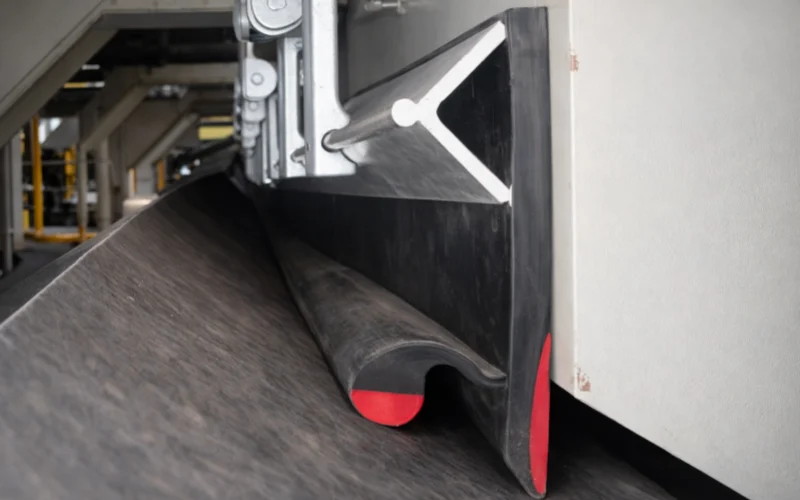
Dual Seal Conveyor Belt Skirting
Enhanced sealing system combining flexibility and wear resistance.
Structure Features
- Dual-lip sealing design
- Rubber base with wear-resistant contact edge
- Improved dust containment performance
Recommended Applications
- High dust control environments
- Large-scale mining conveyors
- Environmentally regulated operations
- Transfer points with frequent impact and high material flow rates
Reliable sealing with controlled replacement cost.
How to Choose the Right Conveyor Belt Skirting
Selecting the appropriate conveyor belt skirting depends on operating conditions, material characteristics and maintenance priorities. The following guidelines help determine the most suitable option.
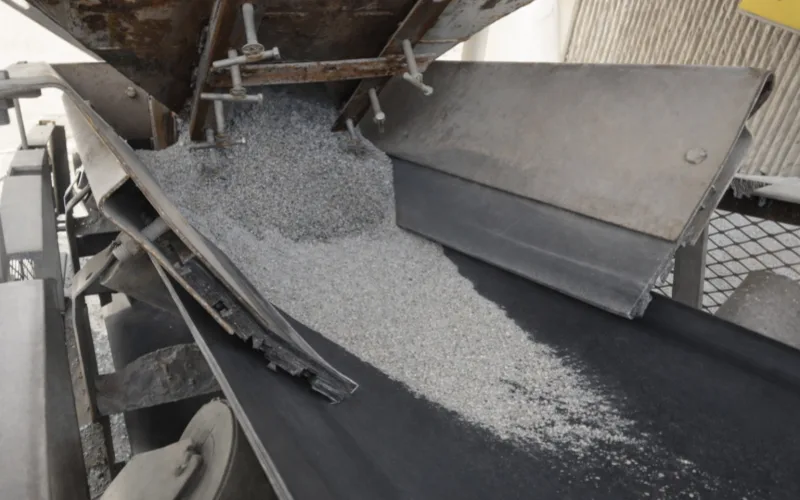
For General Bulk Handling Operations
If your conveyor system handles cement, coal, aggregates or other medium-abrasion materials, standard rubber conveyor belt skirting is typically sufficient.
- Balanced flexibility and sealing performance
- Lower material cost
- Suitable for regular maintenance schedules
- Ideal for operations with controlled wear expectations
For High Abrasion Mining Conditions
If your system transports iron ore, hard rock or high-tonnage materials, polyurethane conveyor belt skirting offers extended wear life.
- Higher abrasion resistance
- Reduced replacement frequency
- Improved tear strength under impact
- Suitable for high-impact transfer points
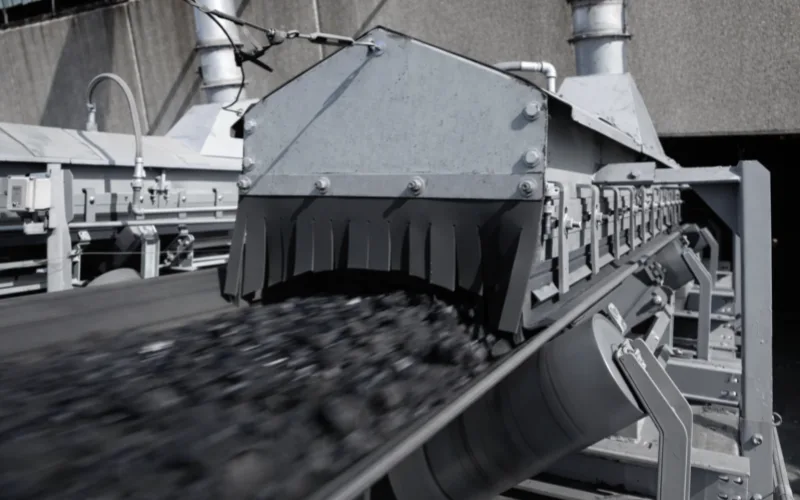
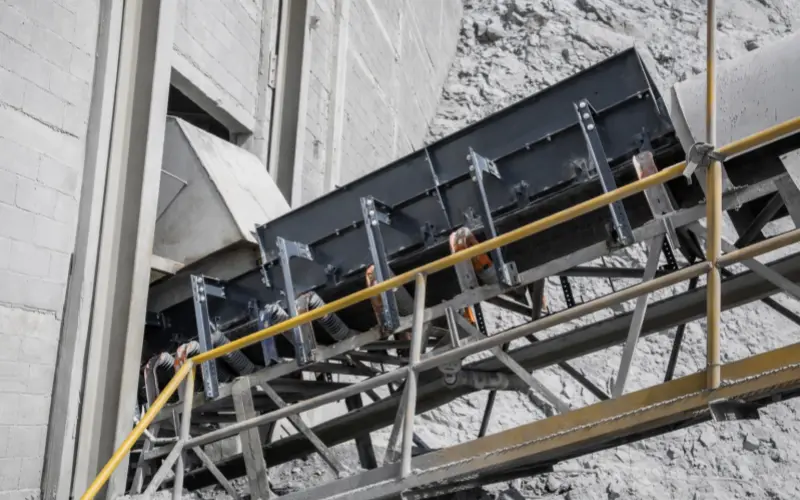
For Strict Dust Control and Environmental Compliance
If dust containment and material loss reduction are critical, dual seal conveyor belt skirting provides enhanced sealing performance.
- Dual-lip sealing improves contact stability
- Better containment at high material flow rates
- Suitable for regulated industrial environments
- Recommended for large-scale mining conveyor systems
Key Selection Factors
When you evaluating conveyor belt skirting, consider:
- Material abrasiveness
- Conveyor belt speed
- Transfer point impact level
- Maintenance accessibility
- Required service life
Technical Specifications Overview
Range-based specs for fast matching. Final grade and dimensions can be confirmed after receiving your conveyor conditions.
Available Materials
Natural rubber (NR), styrene-butadiene rubber (SBR), nitrile rubber (NBR), polyurethane (PU), and composite dual-seal structures. Each conveyor belt skirting material can be selected according to abrasion level, oil exposure and environmental requirements.
Thickness Range
10 mm – 25 mm standard range, with custom thickness available for heavy-duty conveyor belt skirting applications. Thickness selection depends on material impact level and expected wear life.
Hardness Range
55 – 70 Shore A (rubber grades) and 70 – 90 Shore A (polyurethane grades). Hardness affects sealing flexibility and wear resistance, and should be balanced to avoid excessive belt pressure.
Width and Length
Standard widths are available for common conveyor systems. Custom cutting based on conveyor belt width is supported. Conveyor belt skirting can be supplied in roll form or cut-to-length sections.
Temperature Resistance
Rubber grades suitable for general industrial temperature ranges, and PU grades offering stable performance under moderate heat conditions. Compound selection can be adjusted based on operating temperature.
Performance Characteristics
Designed for abrasion resistance in bulk material handling, maintains sealing contact under vibration, reduces material spillage at transfer points, and supports long-term operation in mining conveyor environments.
Application Scenarios for Conveyor Belt Skirting
Conveyor belt skirting is installed in bulk material conveying systems where sealing stability and spillage control directly affect operational efficiency. Different industrial environments require different material grades and structural designs depending on abrasion level, impact force and dust containment standards.
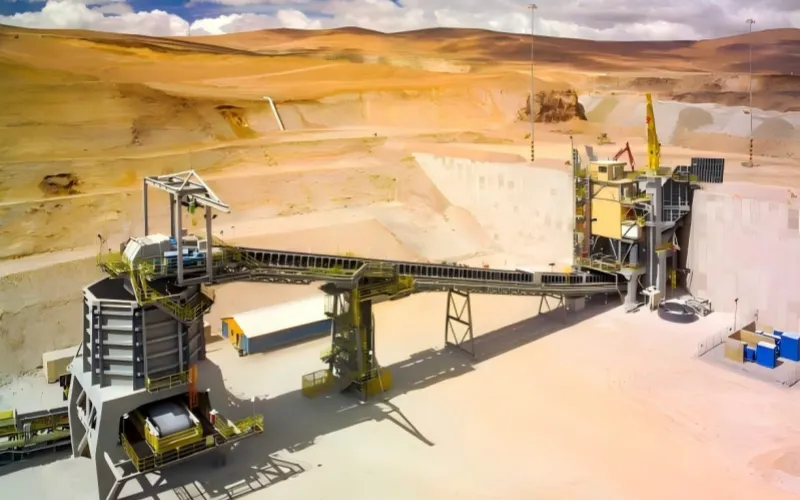
Mining Transfer Points
In mining operations, conveyor belt skirting is applied at primary and secondary transfer points where iron ore, copper ore and hard rock materials are discharged at high impact force. These environments typically involve continuous heavy material flow, sharp-edged aggregates and demanding wear conditions.
- High abrasion and impact conditions
- Continuous heavy material flow
- Requirement for extended wear life
- Reduced maintenance downtime
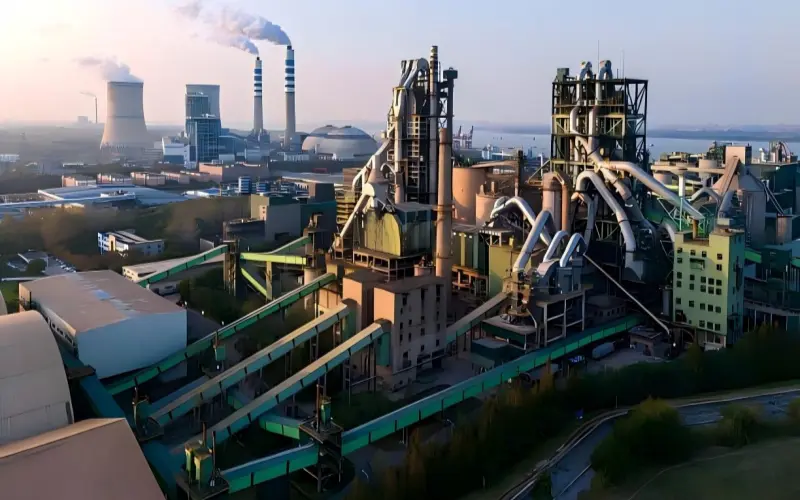
Cement and Clinker Handling Systems
Cement conveying systems operate in environments dominated by fine powder materials and abrasive clinker. Effective sealing is essential to prevent airborne dust leakage and material loss at transfer zones. Conveyor belt skirting in these systems must maintain consistent contact without excessive belt pressure.
- Fine particulate containment requirements
- Abrasive cement powder exposure
- Frequent operational cycling
- Controlled maintenance intervals
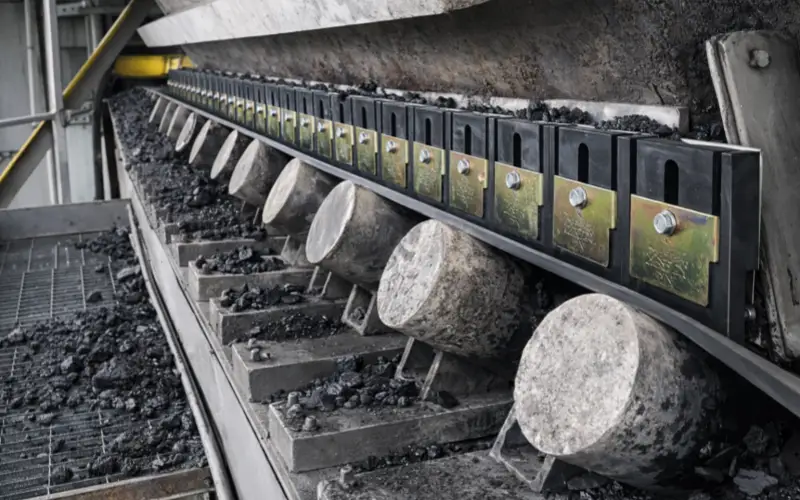
Coal Handling Facilities
Coal handling systems require stable conveyor belt skirting to prevent spillage and reduce accumulation around transfer areas. Coal materials typically involve moderate abrasion combined with outdoor exposure to moisture and environmental dust. Skirting performance must remain consistent under varying seasonal conditions.
- Medium abrasion characteristics
- High conveyor operating speed
- Outdoor environmental exposure
- Moisture and dust combination
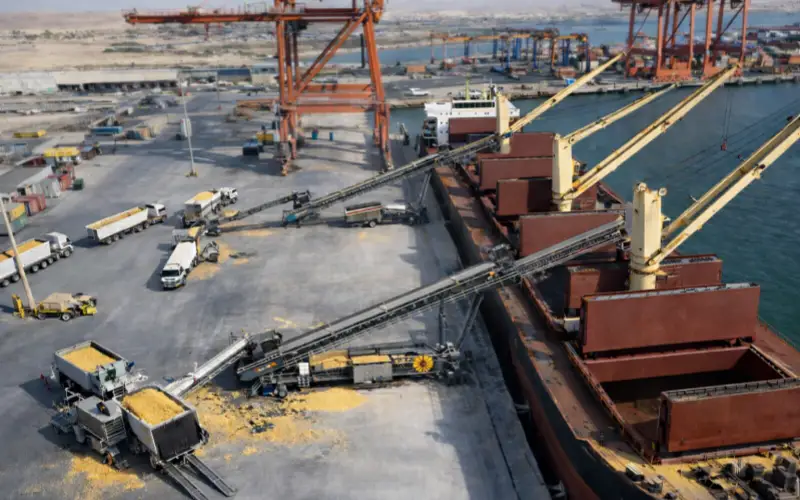
Port and Bulk Terminal Conveyors
Port terminals and bulk loading facilities operate with large material volumes and long conveying distances. Conveyor belt skirting in these systems plays a critical role in maintaining cleanliness and minimizing material loss during high-rate loading. Stable sealing performance contributes to improved housekeeping and reduced labor.
- High-volume bulk material flow
- Long-distance conveyor systems
- Continuous operational schedules
- Efficiency-driven loading processes
Material Comparison for Conveyor Belt Skirting
Selecting the correct conveyor belt skirting material depends on abrasion level, operating conditions and maintenance expectations. The following comparison outlines the performance characteristics of rubber, polyurethane and composite conveyor belt skirting solutions.
Performance Comparison Overview
| Feature | Rubber Conveyor Belt Skirting | Polyurethane Conveyor Belt Skirting | Dual Seal / Composite Skirting |
|---|---|---|---|
| Wear Resistance | Moderate wear resistance suitable for standard bulk materials | High abrasion resistance for demanding mining conditions | Enhanced wear resistance with improved sealing stability |
| Flexibility | Good flexibility and adaptable sealing contact | Lower flexibility with higher structural stiffness | Balanced flexibility with reinforced sealing edge |
| Service Life | Standard replacement cycle under controlled wear | Extended service life in high-impact environments | Extended life with improved dust containment |
| Cost Level | Economical solution for routine maintenance | Medium to high cost depending on grade | Higher cost for advanced sealing systems |
| Recommended Use | Cement, coal and aggregate handling | Iron ore, hard rock and high-tonnage mining | Dust-sensitive and regulated industrial environments |
Selection Considerations
When evaluating conveyor belt skirting materials, consider:
• Material abrasiveness
• Impact intensity at transfer points
• Conveyor operating speed
• Required maintenance interval
• Dust containment requirements
Proper material selection improves sealing efficiency and reduces material loss across bulk handling systems.
Manufacturing & Supply Capability
As a direct manufacturer of conveyor belt skirting, we maintain stable production capacity to support bulk industrial supply and project-based demand.
Production Capability
Dedicated production for rubber and polyurethane conveyor belt skirting, supporting stable batch output and repeatable dimensions.
- Controlled compounding and extrusion
- Thickness stability across batches
- Custom width processing and cutting
- Bulk production for heavy-duty applications
Quality Verification
Batch checks focus on dimensional accuracy and surface integrity to maintain sealing performance at transfer points.
- Thickness consistency inspection
- Hardness range compliance
- Surface integrity and defects check
- Dimensional verification before packing
Export & Supply Support
Built for distributors and project supply: bulk packing, labeling, and documentation-ready shipments.
- Bulk shipment support for container loads
- Flexible packaging options for skirting rolls
- Custom labeling for distributor orders
- Specification matching for repeat orders
Get the right conveyor belt skirting grade
Frequently Asked Questions
-- Conveyor Belt Skirting
Rubber conveyor belt skirting offers balanced flexibility and cost efficiency for general bulk material handling. Polyurethane conveyor belt skirting provides higher abrasion resistance and longer service life under high-impact mining conditions. Material selection depends on wear intensity, maintenance frequency and budget considerations.
Improper hardness selection or excessive installation pressure may cause premature belt edge wear. Properly selected conveyor belt skirting should maintain stable contact without excessive friction. Hardness range and sealing pressure must be matched to belt speed and material load.
Replacement intervals vary depending on material abrasiveness, conveyor speed and impact level. In moderate bulk handling environments, rubber conveyor belt skirting follows standard maintenance cycles. In high-abrasion mining systems, polyurethane grades extend replacement intervals significantly.
Uneven wear typically results from improper installation alignment, inconsistent belt tracking or irregular material loading. Conveyor belt skirting should be installed parallel to the belt edge with uniform sealing pressure to ensure balanced wear across the contact surface.
Hardness selection affects both sealing efficiency and wear resistance. Lower hardness improves flexibility and sealing contact, while higher hardness increases abrasion resistance. The correct conveyor belt skirting hardness depends on material type, impact force and operating speed.
Get a Quote for Conveyor Belt Skirting
Provide your conveyor width and material details.
We will prepare the appropriate conveyor belt skirting specification and quotation.