IDLERON Self-Aligning Idlers for Accurate Conveyor Belt Tracking
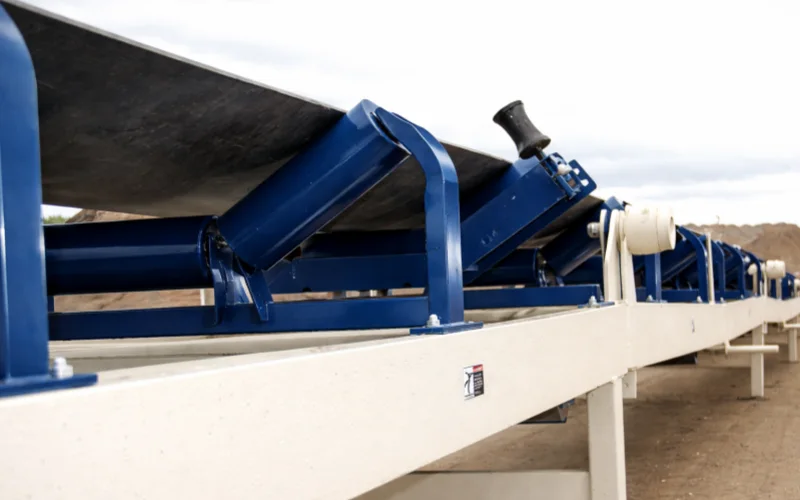
Fix belt misalignment at the source. IDLERON self-aligning idlers use a pivoting frame mechanism to automatically guide the belt back to center, reducing spillage, edge damage, and unplanned downtime.
- Maintain stable belt alignment without manual intervention
- Reduce belt wear and material loss
- Designed for heavy-duty conveyor systems
- Improve overall conveyor efficiency by minimizing unplanned stoppages
Type of Right Self-Aligning Idlers
Self-aligning idlers are installed at different positions of the conveyor to control belt tracking. Select the correct type based on whether the belt is carrying material or running empty.
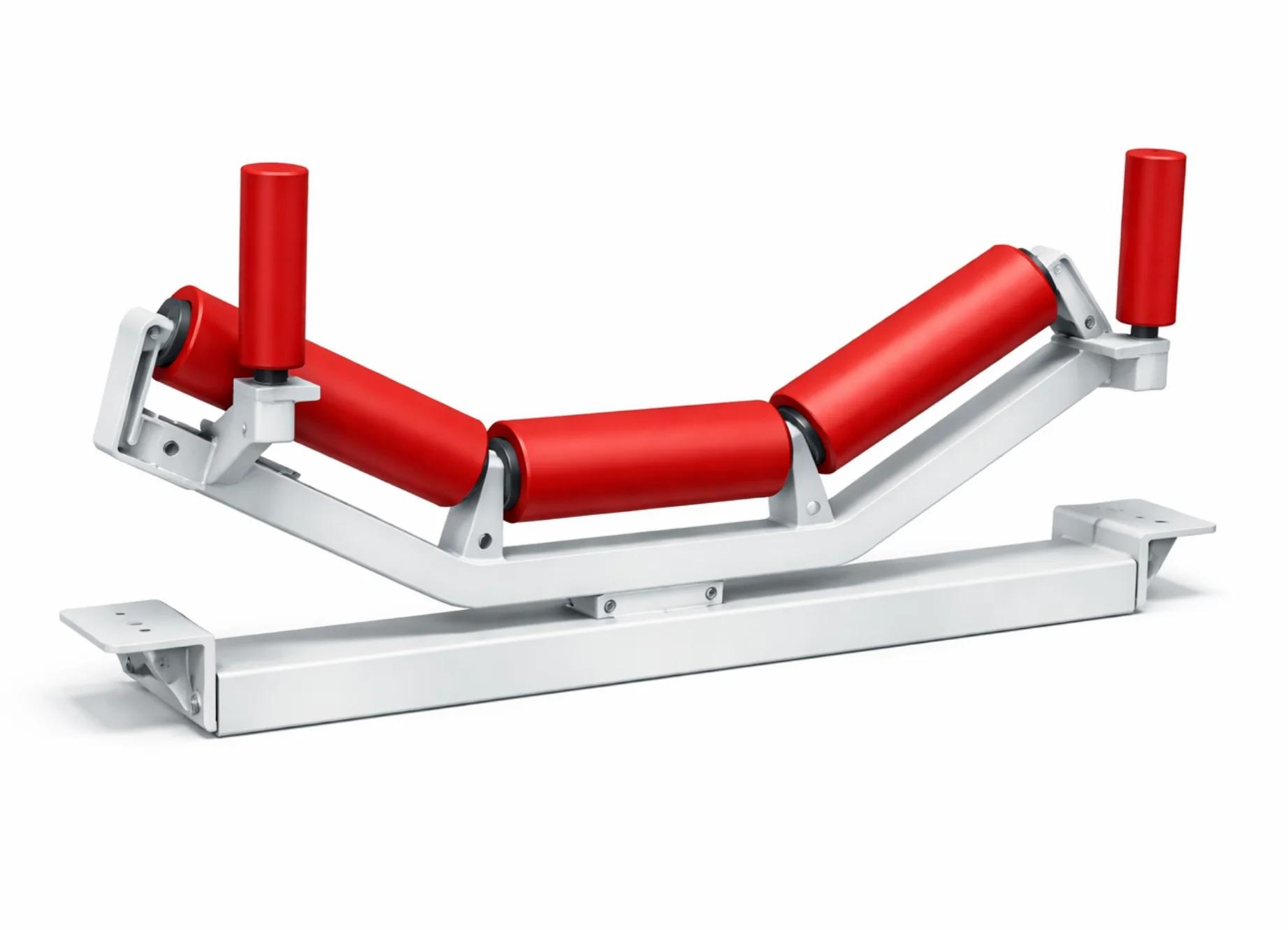
Trough Self-Aligning Idlers
— For Carrying Side Belt Alignment
Designed for the loaded section of the conveyor, trough self-aligning idlers maintain belt alignment under material load and troughing conditions.
- Suitable for heavy-load conveying conditions
- Maintains alignment in 20°, 30°, 35° trough angles
- Reduces material spillage at loading zones
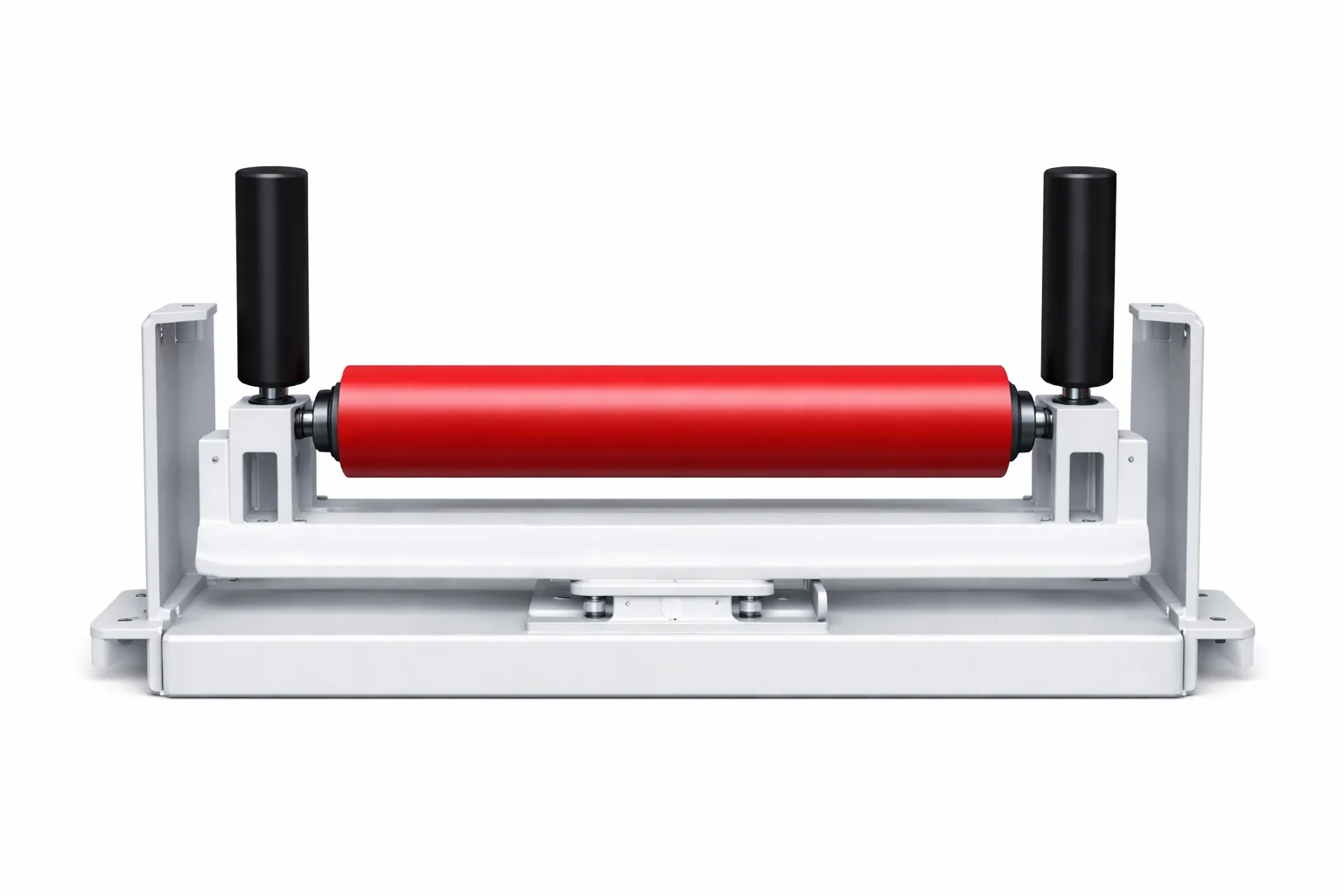
Return Self-Aligning Idlers
— For Return Belt Tracking Stability
Installed on the return side, these idlers stabilize belt tracking during no-load operation and prevent belt wandering over long distances.
- Selected primarily based on belt width
- Ideal for long-distance conveyors
- Reduces structural wear caused by misalignment
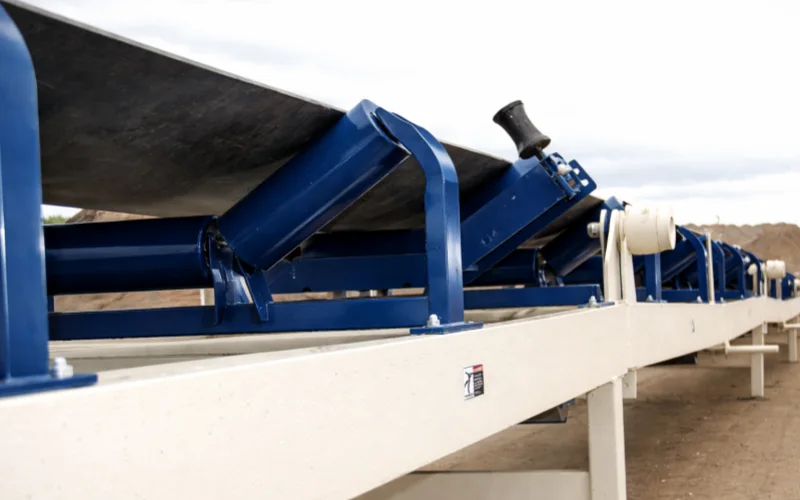
Conveyor Belt Misalignment Problems
If your conveyor belt is not running in the center, you will start to see immediate operational issues
- Material spillage at loading and transfer points
- Belt edge damage caused by continuous side friction
- Increased wear on rollers and conveyor structure
- Frequent manual adjustment just to keep the belt aligned
- Unexpected downtime when misalignment becomes severe
How Self-Aligning Idlers Solve Belt Misalignment
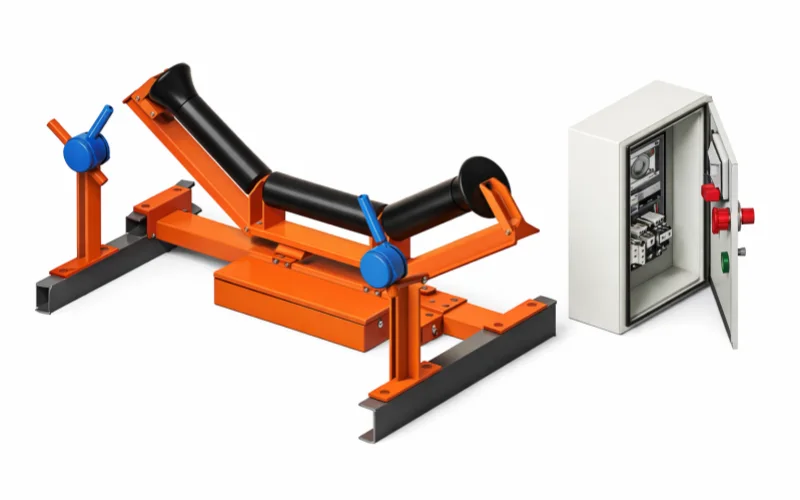
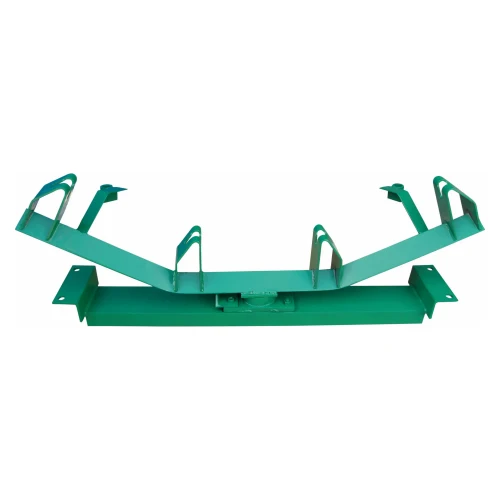
If belt misalignment has to be corrected repeatedly by manual adjustment, the system lacks a continuous correction mechanism. Self-aligning idlers address this by using a pivoting frame that reacts directly to belt deviation during operation. When the belt shifts off center, the change in contact force causes the frame to rotate and adjust the roller angle, generating a guiding force that moves the belt back toward the center.
This correction happens continuously while the conveyor is running. Instead of stopping the system for manual adjustment, IDLERON self-aligning idlers respond as deviation develops, helping control spillage, reduce edge wear, and prevent small tracking errors from turning into maintenance and downtime issues.
Key Features of IDLERON Self-Aligning Idlers
Automatic Alignment Through Pivoting Frame Mechanism
If belt tracking relies on manual adjustment, deviation will continue to occur during operation. IDLERON self-aligning idlers use a pivoting frame that reacts to uneven belt force as the belt moves. When the belt shifts off center, the frame rotates slightly and adjusts the roller angle, generating a guiding force that continuously brings the belt back toward the center line.
Stable Frame Structure Under Load and Vibration
In heavy-duty conveying conditions, alignment systems often lose effectiveness due to frame deformation. IDLERON idlers are built with reinforced steel frames designed to maintain their geometry under load and vibration. This ensures that the aligning mechanism remains responsive and does not lose its correction ability over time.
Sealed Bearing System for Dust and Harsh Environments
Dust ingress is one of the primary causes of roller failure in bulk material handling. Each idler is equipped with a multi-stage sealing structure that prevents fine particles and moisture from entering the bearing. This keeps the rollers rotating smoothly and maintains consistent alignment performance in dirty and high-moisture environments.
Consistent Alignment Across Long Conveyor Systems
In long-distance conveyors, small deviations tend to accumulate along the belt path, making alignment increasingly difficult to control. IDLERON self-aligning idlers correct deviation continuously at each installation point, preventing misalignment from building up and maintaining stable belt tracking across the entire conveyor length.
Where Self-Aligning Idlers Are Needed
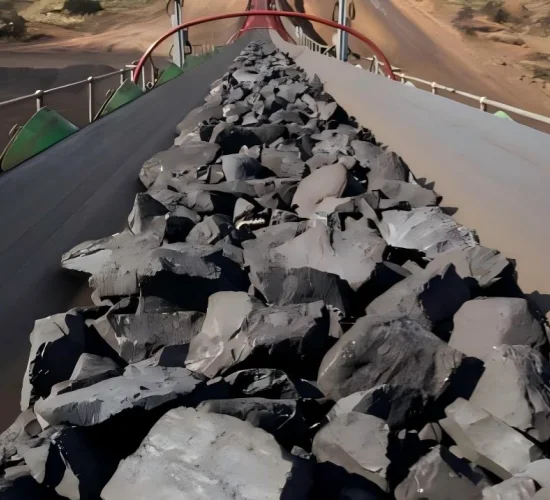
Heavy Load and Uneven Material Distribution
Self-aligning idlers respond to this deviation by adjusting the roller angle under load, generating a guiding force that brings the belt back to center and reduces spillage at loading zones.
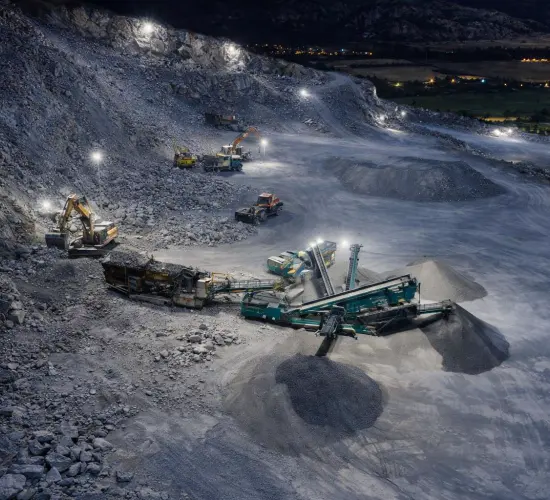
High Dust and Contaminated Environments
Self-aligning idlers correct this imbalance continuously by reacting to belt movement, maintaining stable tracking even when contamination affects normal roller rotation.
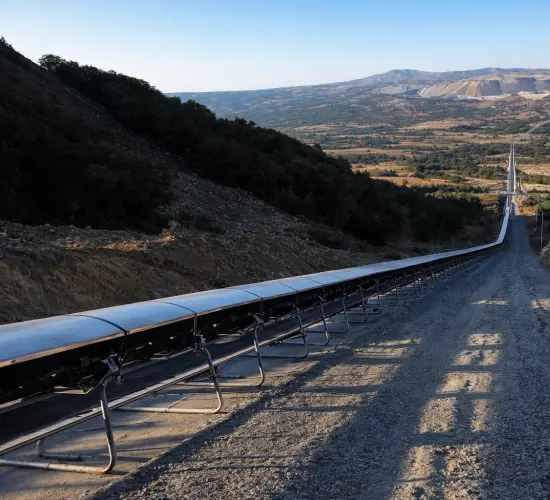
Long-Distance Conveyor Systems
By correcting alignment at multiple points along the conveyor, self-aligning idlers prevent small deviations from building up, keeping the belt tracking stable across the entire system.
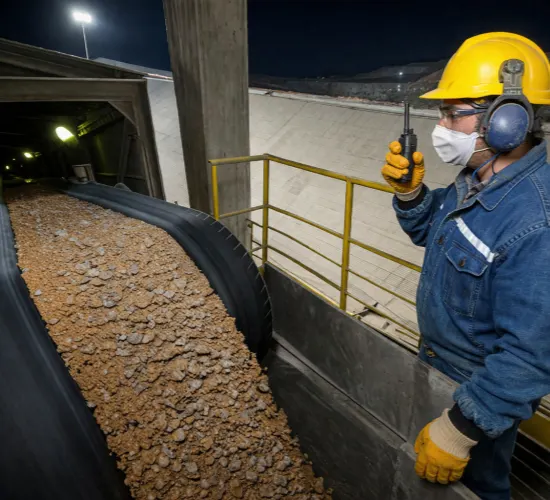
Limited Maintenance or Difficult Access Conditions
Self-aligning idlers provide continuous correction during operation, reducing reliance on manual intervention and helping maintain stable conveyor performance over time.
Technical Specifications of IDLERON Self-Aligning Idlers
| Parameter | Specification |
|---|---|
| Belt Width | 500 mm – 2400 mm |
| Roller Diameter | 89 / 108 / 133 / 159 / 194 / 219 mm |
| Trough Angle | 20° / 30° / 35° |
| Idler Type | Trough / Return Self-Aligning |
| Frame Structure | Pivoting Frame |
| Bearing Type | Deep Groove Ball Bearing |
| Sealing System | Labyrinth Multi-stage Sealing |
| Shaft Material | Carbon Steel |
| Surface Treatment | Painting / Galvanizing |
Custom Configuration Available
IDLERON self-aligning idlers can be configured based on your conveyor system requirements. Belt width and installation position are typically sufficient for initial selection, while frame structure and sealing can be adjusted for different working conditions.
Why Choose IDLERON
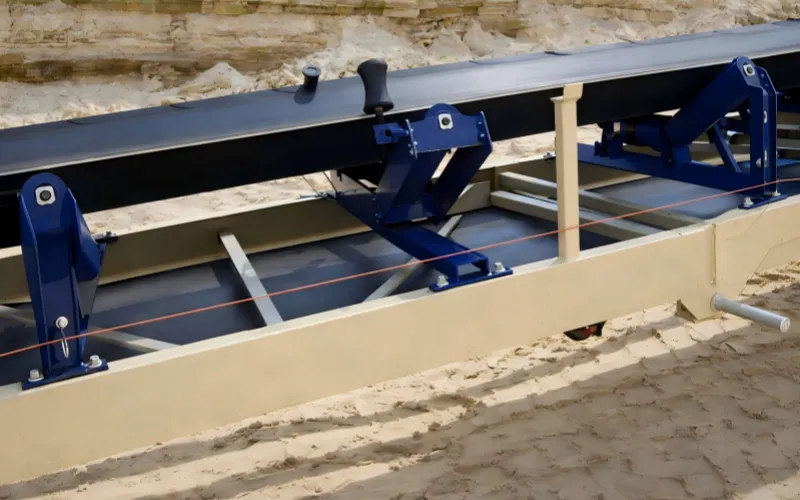
Predictable Belt Tracking Correction
IDLERON self-aligning idlers correct belt drift through a pivoting frame response during operation. Performance is kept consistent by controlling pivot geometry and roller set angles in fabrication and assembly, so correction behavior is repeatable on site.
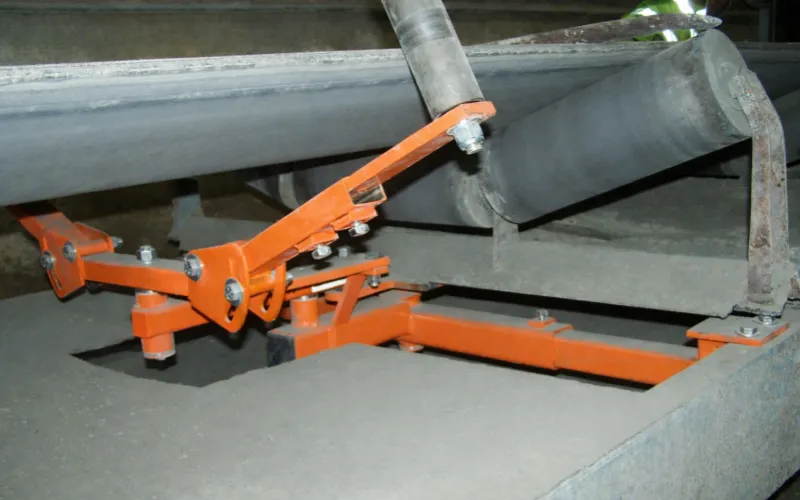
Heavy-Duty Frame That Keeps the Mechanism Working
Alignment solutions fail when frames deform under load and vibration, reducing the correcting effect over time. IDLERON uses reinforced steel frame structures and fixed welding/assembly positioning to maintain geometry, so the aligning mechanism remains effective in heavy-duty conditions.
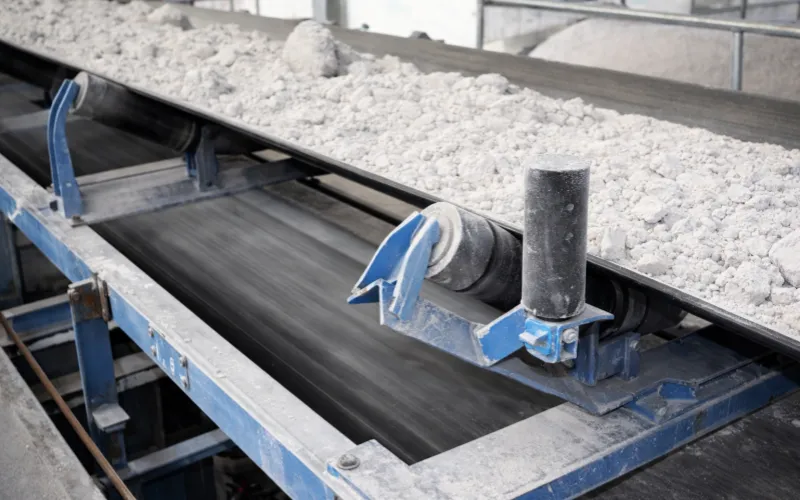
Sealed Rotation Reliability in Dusty Sites
Belt tracking becomes unstable when rollers develop uneven rotation resistance due to dust ingress. IDLERON uses multi-stage labyrinth-style sealing to reduce contamination entering the bearing area and help maintain smooth, consistent rotation over time.
System-Level Control of Tracking and Spillage
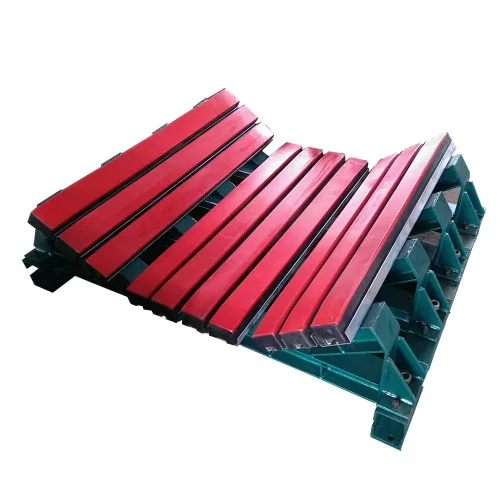
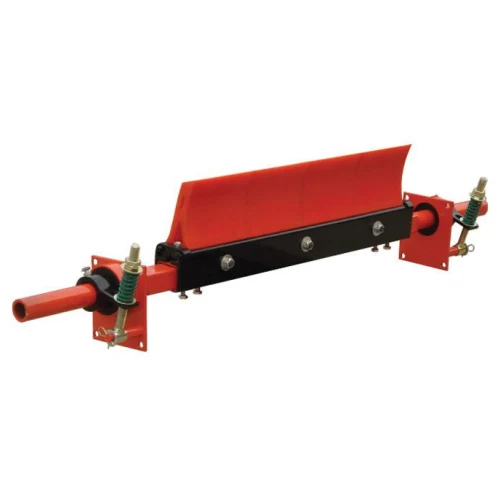
Misalignment is often amplified by off-center loading, carryback build-up, and unstable transfer conditions, not by idlers alone. IDLERON supports conveyor tracking as a system by providing related components such as belt tracking devices, belt cleaners, and impact solutions, so root causes can be reduced and belt tracking becomes easier to stabilize.
Frequently Asked Questions
-- Self-Aligning Idlers
Uneven roller resistance creates a continuous lateral force imbalance on the belt. When one side of the conveyor experiences higher rotational resistance, the belt gradually shifts toward the lower-resistance side. In long conveyor systems, this small deviation does not remain localized but accumulates along the belt path. Without continuous correction, the deviation becomes more pronounced over distance, eventually leading to severe misalignment, spillage, and structural contact issues.
The aligning function depends on the frame’s ability to respond accurately to belt deviation. If the frame deforms under load or vibration, the pivoting movement becomes inconsistent, reducing the effectiveness of correction. Over time, this leads to unstable belt tracking even if the initial performance is acceptable. A rigid frame structure ensures that the geometry of the aligning mechanism remains stable, allowing the idler to deliver consistent correction throughout its service life.
Even when rollers are not seized, contamination such as dust or moisture can increase rotational resistance unevenly across the conveyor width. This creates imbalance in the forces acting on the belt, causing gradual deviation. The issue is often overlooked because the rollers appear to function normally. However, small resistance differences are enough to disturb belt tracking, especially in long systems. Effective sealing helps maintain uniform rotation and reduces this hidden source of misalignment.
If the spacing between self-aligning idlers is too large, deviations are allowed to develop before correction occurs. By the time the belt reaches the next aligning point, the misalignment may already be significant, making it harder to correct smoothly. This results in higher stress on the system and less effective tracking control. Proper distribution ensures that deviation is corrected early and continuously, preventing accumulation and improving overall conveyor stability.
Manual adjustment corrects the belt position temporarily but does not address the underlying causes of deviation, such as uneven loading, resistance differences, or structural issues. Once the conveyor resumes operation, these factors continue to influence belt movement, causing misalignment to return. Without a mechanism that responds continuously during operation, correction remains reactive rather than preventive, leading to repeated intervention and unstable tracking conditions.
Loading conditions directly affect how forces are distributed across the belt. Uneven or off-center loading creates asymmetrical pressure, increasing the likelihood of deviation. Self-aligning idlers can respond to this by adjusting the roller angle, but their effectiveness depends on how early the deviation is corrected and how severe the imbalance is. Proper placement near loading zones improves their ability to stabilize belt tracking under variable load conditions.
Installation position determines how the idler interacts with the belt. On the carrying side, the idler must handle load-induced forces and maintain alignment under material weight. On the return side, the focus is on stabilizing the belt without load influence. Incorrect positioning reduces effectiveness because the idler may not respond appropriately to the type of deviation present in that section of the conveyor.
Common indicators include recurring spillage at the same locations, visible belt edge wear, frequent need for manual adjustment, and uneven roller wear patterns. These signs suggest that the system is no longer maintaining consistent tracking. The issue is often progressive, meaning it worsens over time if not addressed. Identifying these early helps prevent more serious operational and maintenance problems.
Get the Right Self-Aligning Idler for Your Conveyor
Send us your belt width and installation position. IDLERON will recommend the suitable configuration for your system.