Primary Ceramic Belt Cleaner Manufacturer
Heavy-duty Primary Ceramic Belt Cleaner designed to remove carryback material, protect conveyor belts, and reduce maintenance costs in demanding industries such as mining, cement, power plants, and bulk material handling.
- Wear-resistant ceramic blades for reliable performance in abrasive conveying conditions.
- Efficient carryback removal at the head pulley keeps conveyor belts clean.
- Long service life reduces blade replacement and maintenance costs.
- Spring tension system ensures consistent blade-to-belt contact.
- Modular design allows quick installation and easy blade replacement.
Primary Ceramic Belt Cleaner Overview
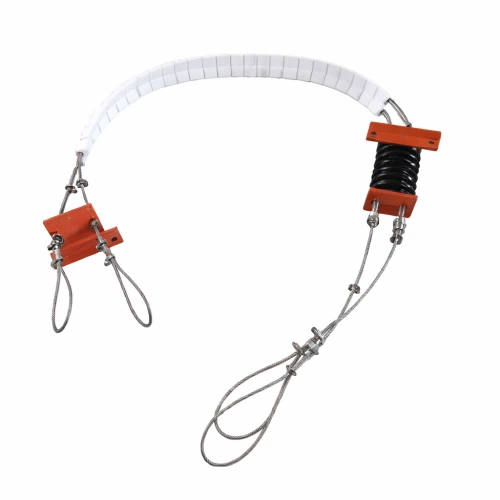
What is a Ceramic Belt Cleaner ?
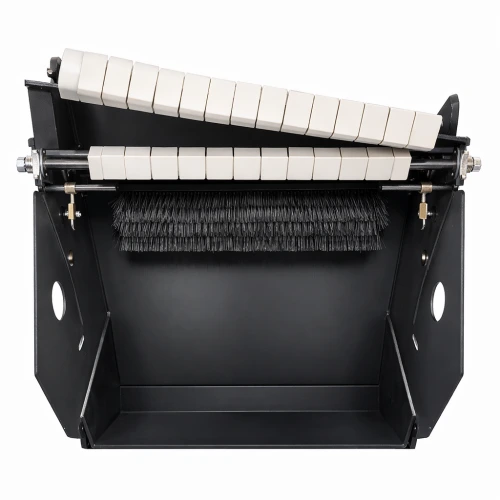
A Ceramic Belt Cleaner, also known as a Primary Ceramic Belt Cleaner, is a critical component in modern conveyor belt cleaning systems. Installed at the head pulley, it removes carryback material from the belt surface after material discharge, preventing residual materials from adhering to the return side of the conveyor belt.
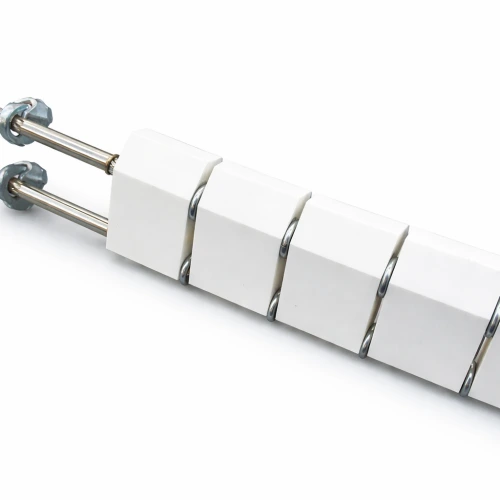
High Hardness Ceramic Scraper Material
The cleaner utilizes industrial aluminum oxide ceramic blocks (Al₂O₃) as the scraping element. These ceramic blades provide exceptional mechanical strength, high wear resistance, and excellent performance in high-temperature and abrasive conveying environments such as mining, cement production, power plants, and bulk material handling systems.
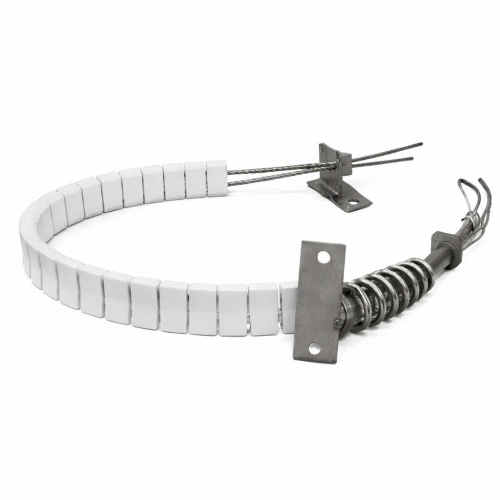
Designed for Abrasive Bulk Materials
Compared with conventional rubber or polyurethane cleaners, ceramic scraper elements offer significantly higher hardness and durability. With a hardness level of approximately HRA85-90, ceramic materials provide wear resistance several times greater than steel, ensuring a much longer service life even when handling highly abrasive materials.
Improving Conveyor System Reliability
By effectively removing carryback and maintaining stable contact with the conveyor belt surface, a Primary Ceramic Belt Cleaner improves cleaning efficiency, reduces equipment wear on pulleys and idlers, lowers maintenance requirements, and helps maintain a cleaner and more reliable conveyor operation.
The Conveyor Carryback Problem
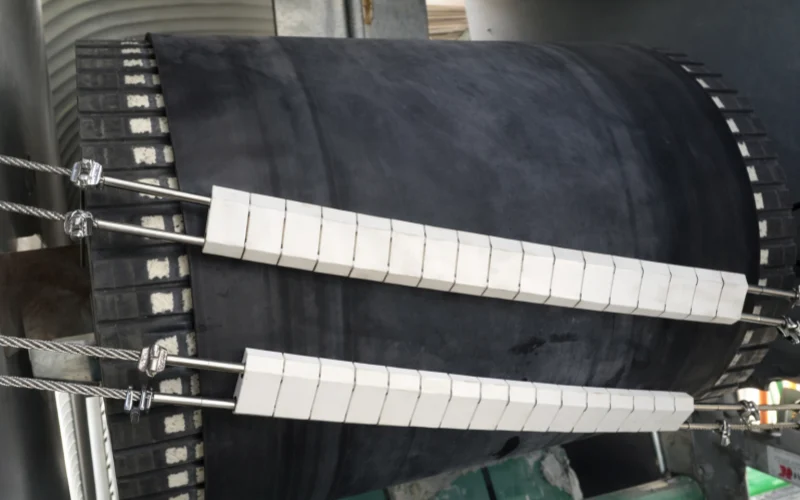
During bulk material conveying, a significant amount of material often remains attached to the conveyor belt after discharge. This residual material, known as carryback, travels along the return side of the belt and gradually accumulates on conveyor components and surrounding structures.
Without effective belt cleaning, carryback can quickly lead to serious operational and maintenance problems.
Equipment Contamination
Material buildup on idlers, pulleys, and conveyor frames increases wear on critical components and reduces overall equipment reliability.
Increased Maintenance Work
Operators must frequently clean spilled material and remove buildup, increasing maintenance workload and operational downtime.
Material Spillage
Carryback materials fall from the return belt and accumulate beneath the conveyor system, creating material spillage, housekeeping issues, and potential safety hazards.
Reduced Conveyor Efficiency
Persistent carryback can affect belt tracking, increase friction, and reduce the overall efficiency and reliability of the conveyor system.
Key Features of the Ceramic Belt Cleaner
The Primary Ceramic Belt Cleaner combines high-hardness ceramic scraper blades with a practical structural design to deliver reliable carryback removal, long service life, and easy maintenance in demanding conveyor applications.
Industrial Aluminum Oxide Ceramic Blades
The cleaner uses Al₂O₃ industrial ceramic blocks with high hardness and excellent mechanical strength, providing outstanding wear resistance for abrasive bulk materials.
Superior Wear Resistance
With a hardness level of HRA85–90, ceramic scraper elements offer wear resistance several times higher than steel, delivering a significantly longer service life than conventional belt cleaners.
Point-Contact Cleaning Design
Ceramic elements are installed at an angle to form point-contact with the belt surface, allowing the cleaner to effectively remove sticky or wet materials without leaving residues.
Smooth Ceramic Contact Surface
The smooth ceramic surface reduces friction against the conveyor belt, helping minimize belt wear and extend the service life of belts, pulleys, and idlers.
Efficient Cleaning for Sticky Materials
The ceramic blade structure performs particularly well when conveying moist, sticky, or adhesive materials, where traditional scraper cleaners often fail.
Simple Installation and Maintenance
Compared with Normal scraper cleaners, the Ceramic Belt Cleaner structure is simpler ,it can typically be installed quickly with minimal maintenance requirements.
Structural Design of the Primary Ceramic Belt Cleaner
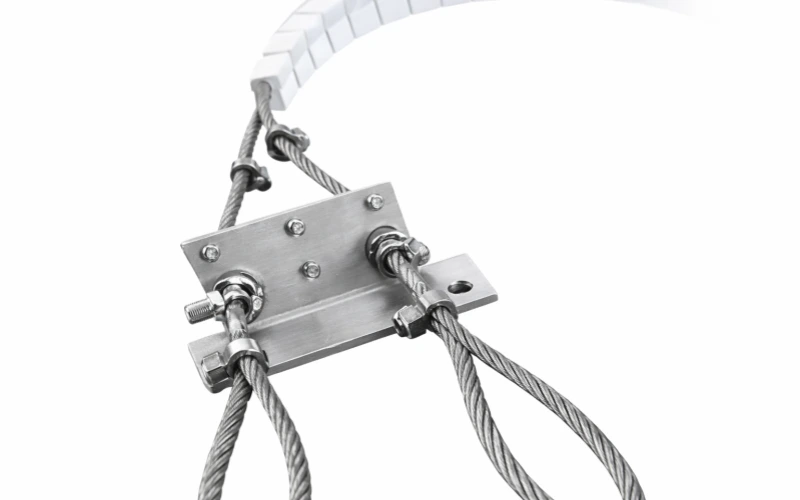
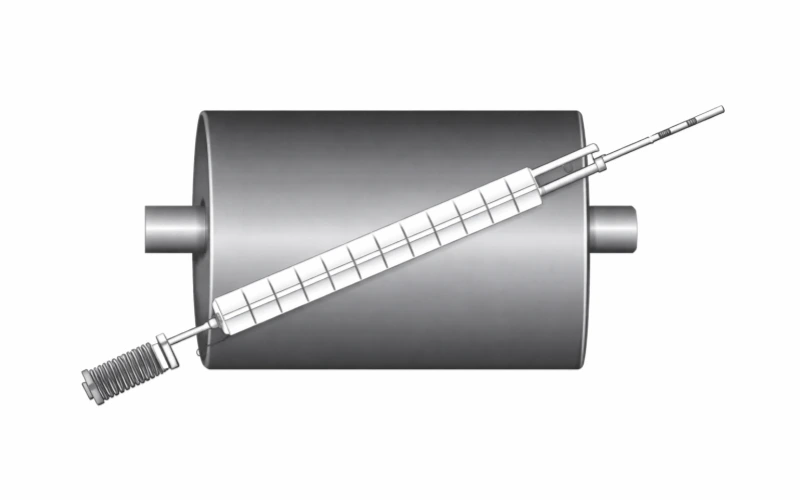
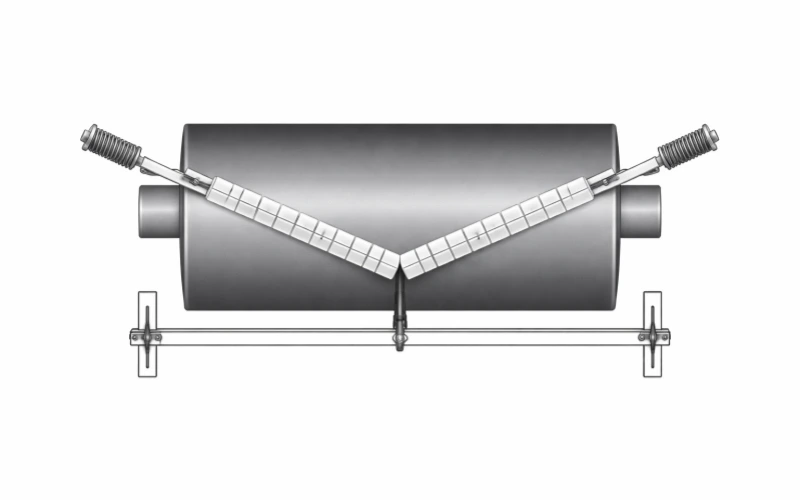
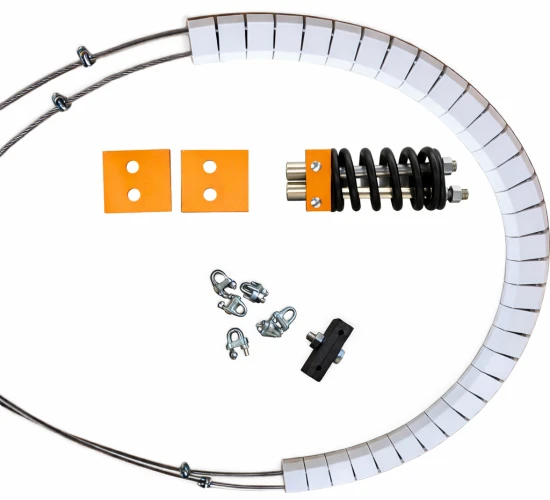
The Primary Ceramic Belt Cleaner adopts a flexible structure with ceramic blocks connected by steel cable and a simple tension mechanism, ensuring stable cleaning performance and convenient maintenance.
Steel Cable Connected Ceramic Blocks
Multiple Al₂O₃ ceramic blocks are connected by a steel cable, forming a flexible scraping structure that adapts to the conveyor belt surface and maintains consistent cleaning contact.
Adjustable Cleaning Width
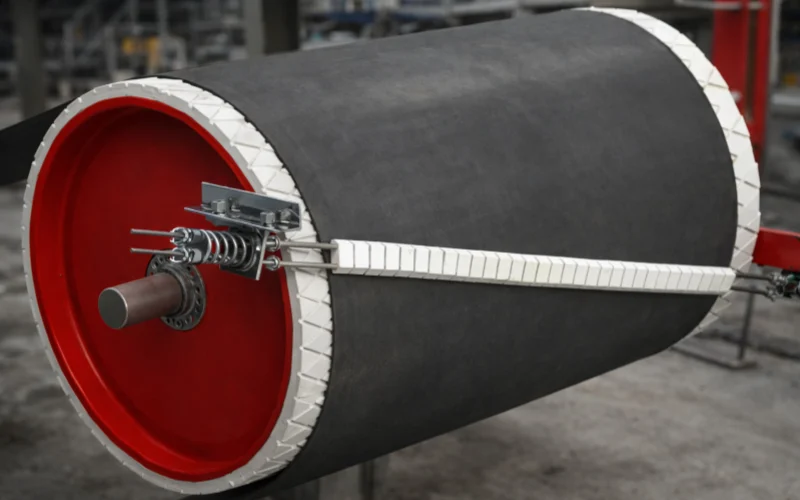
The number of ceramic blocks can be adjusted according to different conveyor belt widths, allowing the cleaner to match various conveyor sizes and provide effective cleaning coverage.
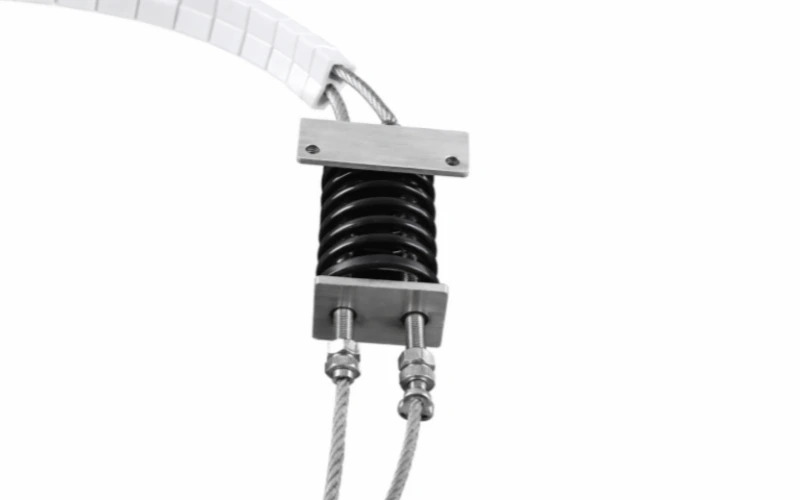
Single Spring Tension System
A single spring tension device maintains stable pressure between the ceramic blocks and the conveyor belt surface while reducing structural complexity and long-term maintenance costs.
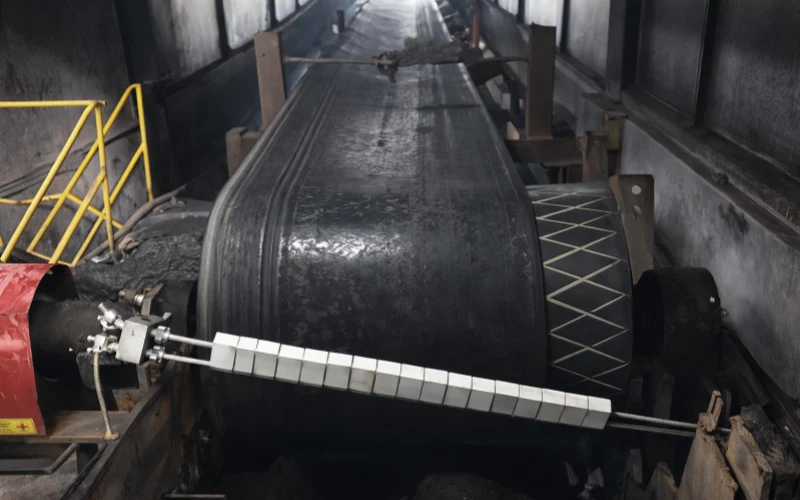
Simple Structure for Easy Removal
The cleaner features a simple structural design, allowing quick installation and easy removal during maintenance, helping reduce maintenance time and improve operational efficiency.
Technical Specifications of the Primary Ceramic Belt Cleaner
The Primary Ceramic Belt Cleaner is available in different configurations to suit various conveyor belt widths and operating conditions. The number of ceramic blocks can be adjusted to match the required cleaning width.
Specification Table
| Parameter | Specification |
|---|---|
| Product Type | Primary Ceramic Belt Cleaner |
| Installation Position | Head Pulley |
| Blade Material | Aluminum Oxide Ceramic (Al₂O₃) |
| Ceramic Hardness | HRA 85–90 |
| Connection Structure | Steel Cable Connected Ceramic Blocks |
| Tensioning System | Single Spring Tension Device |
| Applicable Belt Width | Adjustable according to conveyor belt width |
| Cleaning Width | Adjustable by changing the number of ceramic blocks |
| Application Materials | Coal, Iron Ore, Limestone, Cement, Aggregates |
| Working Temperature | Suitable for normal industrial conveying environments |
| Maintenance | Simple structure with easy removal and replacement |
Product Structure Diagram
Typical Applications of the Ceramic Belt Cleaner
The Ceramic Belt Cleaner is particularly suitable for conveyor systems handling abrasive, sticky, or uneven material conditions where reliable carryback removal is essential.
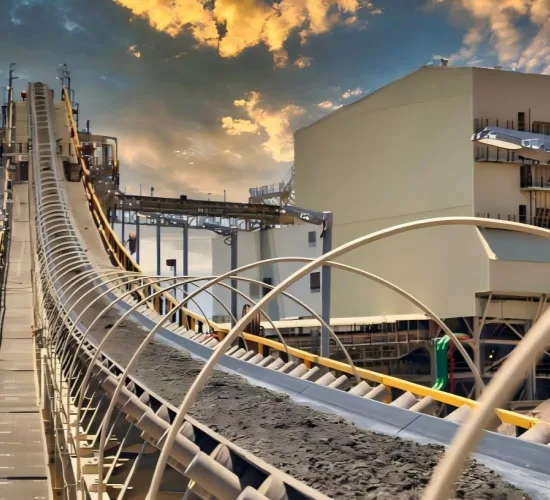
Abrasive Bulk Materials
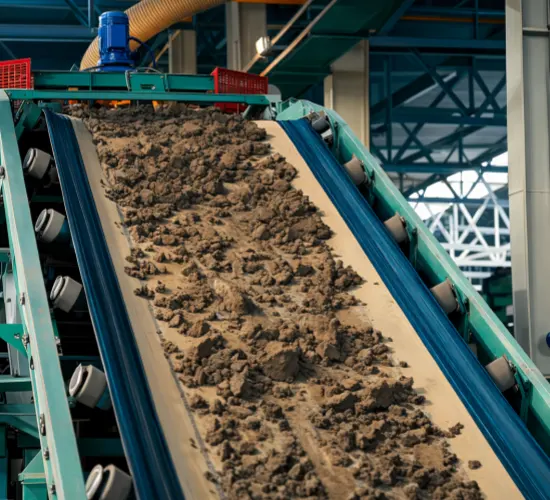
Wet and Sticky Materials
Requiring Simple Maintenance
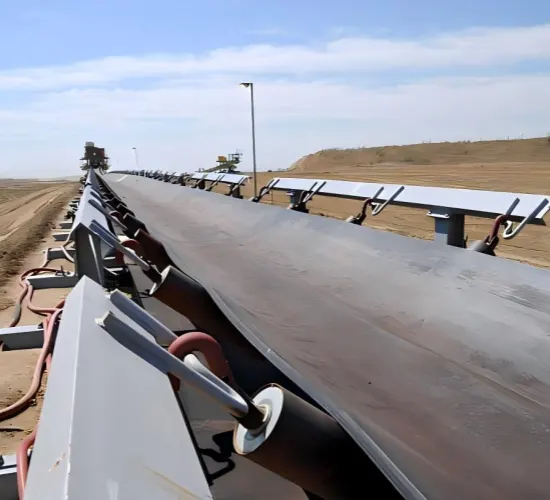
Wide Conveyor Belt Systems
Advantages of the Ceramic Belt Cleaner
The Ceramic Belt Cleaner provides reliable belt cleaning performance for bulk material conveying systems, helping improve conveyor cleanliness, operational stability, and maintenance efficiency.
Cleaner Conveyor Equipment
Efficient removal of carryback material helps keep idlers, pulleys, and conveyor structures cleaner, reducing material buildup on critical conveyor components.
Lower Maintenance Workload
By minimizing carryback accumulation along the return belt, the cleaner reduces the need for frequent manual cleaning and routine maintenance work.
Reduced Material Spillage
Removing residual material before the belt returns helps reduce material spillage beneath the conveyor system and improves plant cleanliness.
Improved Conveyor Operation
A cleaner belt surface helps maintain smoother conveyor operation and supports more stable belt tracking during continuous conveying.
Send your belt width, head pulley area photos, and material type. We’ll recommend the right primary belt cleaner configuration and provide a quote.
Quality Control for Ceramic Belt Cleaner Manufacturing
To maintain consistent product quality, each Ceramic Belt Cleaner is checked during material receiving, component processing, assembly, and final inspection. The inspection focus is on ceramic appearance, component dimensions, assembly consistency, and installation readiness.
Incoming Inspection of Ceramic Blocks
Each batch of ceramic blocks is checked for surface cracks, edge chipping, visible damage, and size consistency before assembly. Only qualified ceramic pieces are used for production.
Verification of Steel Cable and Metal Parts
The steel cable, spring components, and metal mounting parts are checked against the production drawing and purchasing requirements to confirm the correct specification is used before assembly.
Assembly Consistency Check
During assembly, the ceramic blocks are checked for correct arrangement, cable connection consistency, and stable spring installation to ensure the cleaner can be installed and used as designed.
Final Inspection Before Delivery
Before shipment, the finished cleaner is inspected for overall appearance, component completeness, assembly condition, and basic installation fit, ensuring the product is ready for customer installation.
Frequently Asked Questions
-- Primary Ceramic Belt Cleaners
Ceramic belt cleaners are typically used when conveying highly abrasive or sticky materials, where polyurethane blades wear quickly or fail to remove carryback effectively. Ceramic scraper elements provide higher wear resistance and maintain cleaning performance in demanding conveying conditions.
In many conveyor systems, a primary cleaner alone cannot completely remove all residual material. For conveyors handling fine or sticky materials, a secondary cleaner is often installed further along the return belt to remove remaining particles and improve overall cleaning efficiency.
No. Although ceramic has high hardness, the cleaner uses small segmented ceramic elements with controlled contact pressure, which reduces the risk of belt damage while maintaining effective cleaning performance.
Service life mainly depends on material abrasiveness, conveyor speed, belt condition, and operating hours. In highly abrasive applications such as mining or aggregates, ceramic elements typically last significantly longer than rubber or polyurethane blades.
The cleaner must be installed at the head pulley with sufficient mounting space and proper tension adjustment. Adequate installation clearance ensures the scraper maintains stable contact with the belt surface during operation.
Get a Quote for Primary Polyurethane Belt Cleaners
Submit your belt width and application details to receive the recommended scraper model and quotation.