China Primary Polyurethane Scraper Manufacturer

Primary polyurethane scraper systems designed to remove carryback material and maintain clean conveyor belt operation in bulk material handling systems.

Primary Polyurethane Belt Cleaner Overview

Primary Polyurethane Belt Cleaner Overview

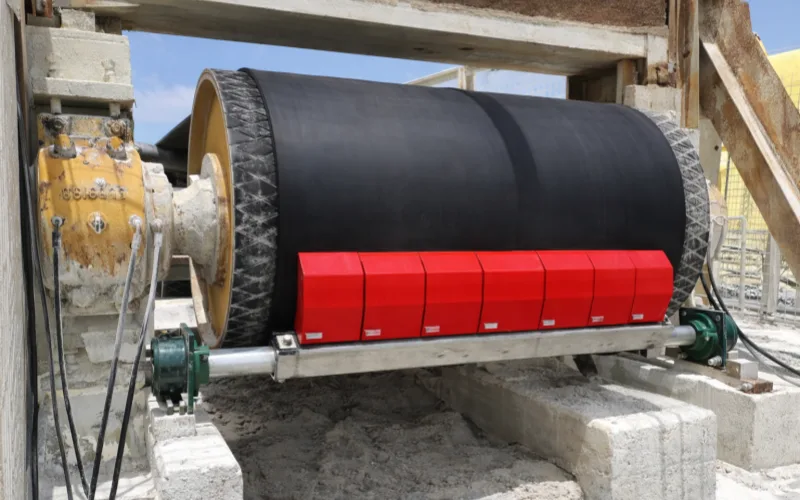
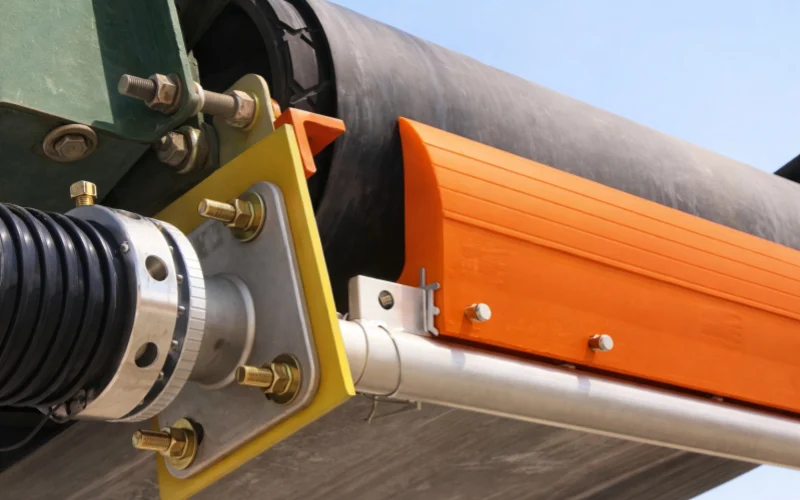
Primary polyurethane belt cleaners are installed at the head pulley of conveyor belts to remove residual material from the belt surface and reduce carryback along the return side of the conveyor system.

Designed for Efficient Conveyor Belt Cleaning
Typical Applications

Primary Polyurethane Belt Cleaner Features

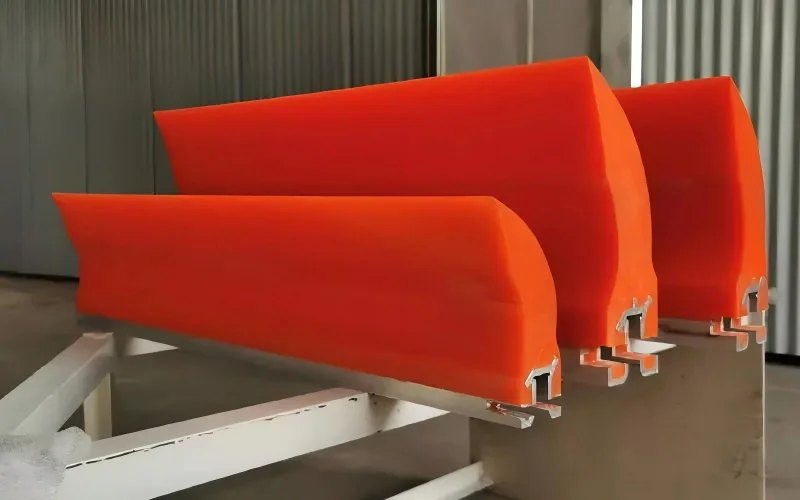
Built around a wear-resistant polyurethane blade, this Polyurethane Scraper focuses on stable contact, easy adjustment, and maintenance-friendly structure for consistent carryback control.

Wear-Resistant Polyurethane Blade

The polyurethane blade used in this primary polyurethane belt cleaner is designed for stable, durable conveyor belt cleaning. This polyurethane scraper maintains consistent belt contact and strong abrasion resistance, helping remove sticky carryback material while avoiding unnecessary belt wear.
Reinforced Blade Support Structure

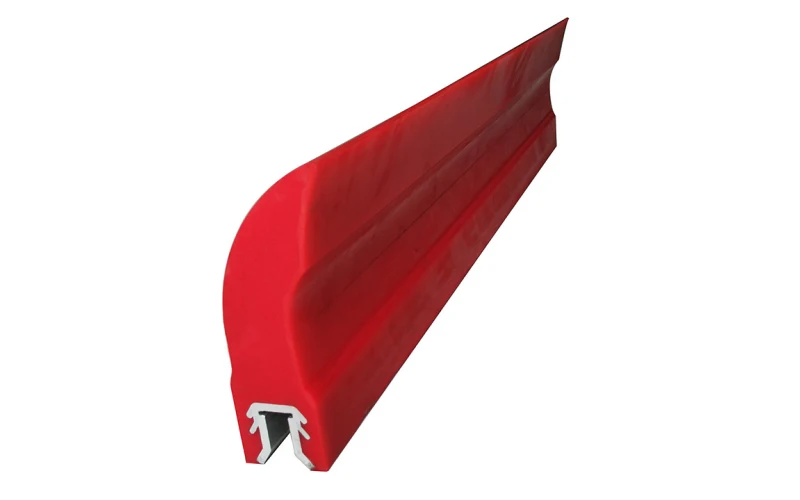
Reinforced Blade Support Structure

Each polyurethane blade is supported by an integrated aluminum alloy base to increase structural strength and help resist impact and deformation during operation. This reinforcement keeps the polyurethane scraper aligned across the belt width and supports consistent cleaning performance over time.
Spring Tensioning System

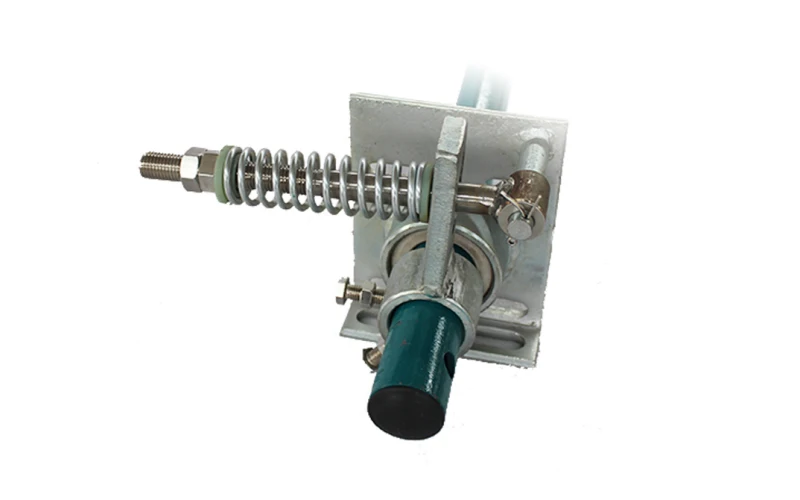
Adjustable Cleaning Pressure Mechanism

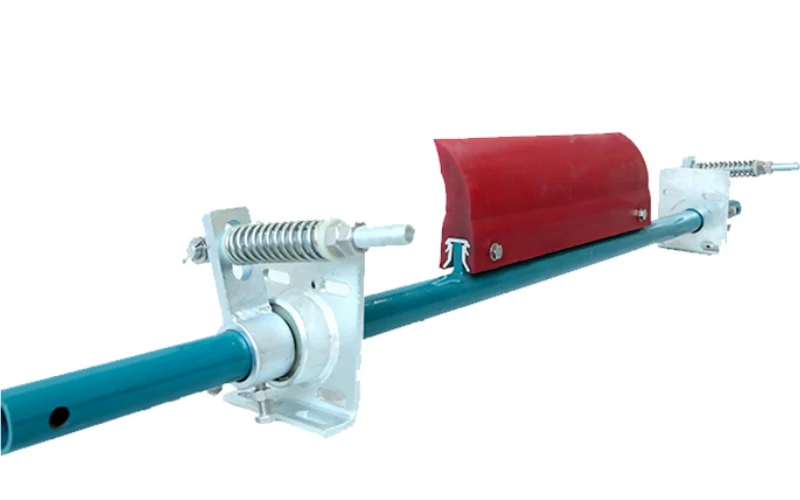
Both sides of the primary polyurethane belt cleaner are equipped with spring tensioners that maintain constant pressure between the polyurethane blade and the conveyor belt surface. It allows the polyurethane scraper to adapt to belt vibration and wear while maintaining consistent cleaning performance.
Modular Design for Different Belt Widths

Modular Design for Different Belt Widths

The scraper frame uses a modular assembly structure so the cleaner length can be adjusted for different conveyor belt widths. This helps the primary polyurethane belt cleaner fit multiple conveyor configurations while keeping polyurethane blade coverage consistent along the belt surface for reliable cleaning.
Quick-Release Pin Blade Design

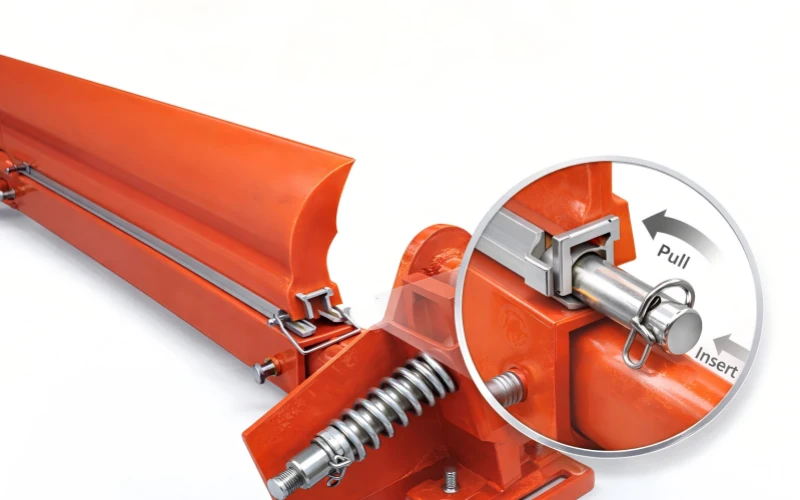
The polyurethane blade uses a pin-retained structure that allows fast removal and installation during maintenance. This design enables quick blade replacement without complex disassembly, reducing service time and keeping the primary polyurethane belt cleaner operating efficiently.
Primary Polyurethane Belt Cleaner Technical Specifications

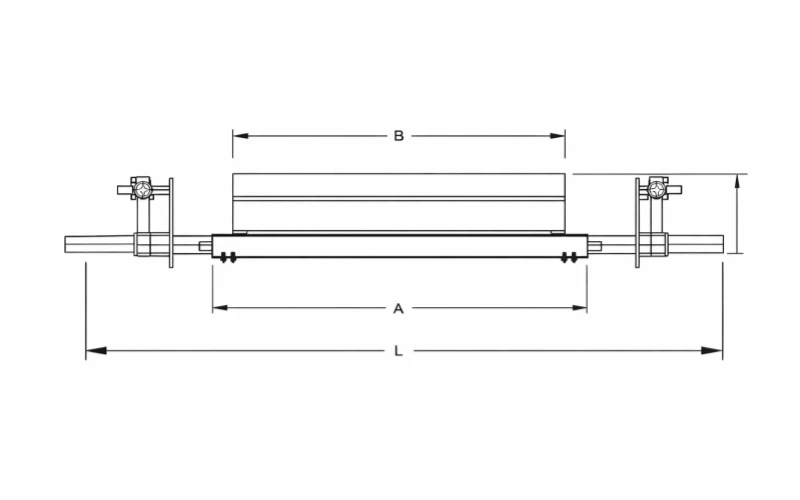
The following dimensional specifications are available for the primary polyurethane belt cleaner. Selection is typically based on the conveyor belt width.

Dimensional Specifications

Belt Width (mm)B (mm)A (mm)L (mm)
5004575001500
6506106501650
8007628001800
100091510002000
1200106712002200
1400122014002400
1600137216002600
1800152418002800
2000167720003000
2200182922003200

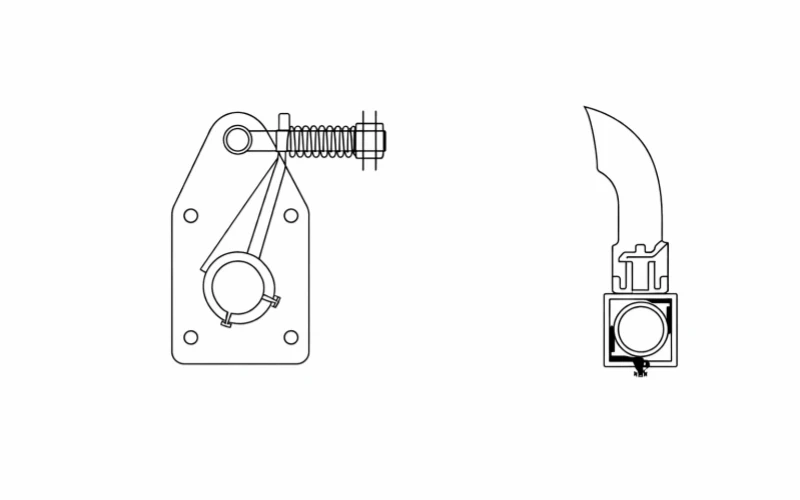
Product Structure Diagram

Scraper structure diagram
installation structure diagram
Adjustable Cleaning Pressure Mechanism
Solving Conveyor Belt Carryback Problems

Solving Conveyor Belt Carryback Problems

Material carryback is one of the most common operational challenges in bulk material conveyor systems. When residual material remains on the belt surface after discharge, it travels along the return side of the conveyor and gradually accumulates on rollers, pulleys, and supporting structures.

A properly installed primary polyurethane belt cleaner removes this residual material at the head pulley before the belt enters the return section, helping control carryback and maintain a cleaner and more stable conveyor system.

Reduce Material Carryback on the Belt Surface

After bulk materials are discharged from the head pulley, a thin layer of sticky or fine material often remains attached to the conveyor belt. If this material is not removed immediately, it travels with the belt and gradually spreads throughout the return side of the conveyor. The polyurethane scraper blade maintains continuous contact with the belt surface, allowing the primary polyurethane belt cleaner to remove this residual material before it becomes a larger carryback problem.

Prevent Material Build-Up Around Conveyor Components

When carryback material falls from the return belt, it accumulates around rollers, frames, and supporting structures along the conveyor line. Over time, this material build-up can interfere with roller rotation and create additional cleaning work around the conveyor system. By removing residual material early in the conveying cycle, the polyurethane scraper helps reduce material accumulation around critical conveyor components.

Reduce Maintenance and Cleaning Workload

Conveyors operating without effective belt cleaning often require frequent manual cleaning around transfer points and return rollers. Maintenance teams must regularly remove accumulated material to keep the conveyor running properly. Installing a primary polyurethane belt cleaner helps control carryback at the source, which significantly reduces the amount of manual cleaning and routine maintenance required.

Improve Conveyor Operation Stability

Excessive carryback material can affect conveyor operation by interfering with roller rotation, increasing friction on moving components, and contributing to belt tracking issues. Consistent belt cleaning helps maintain smoother conveyor operation by preventing material from accumulating on critical parts of the system. A properly adjusted polyurethane scraper allows the conveyor belt to operate more consistently and reliably during continuous material handling.

Conveyor Belt Cleaning Applications

Primary polyurethane belt cleaners are widely used in bulk material conveying systems where residual material tends to remain on the conveyor belt after discharge. In these environments, effective belt cleaning helps control carryback, maintain cleaner conveyor structures, and reduce maintenance work.

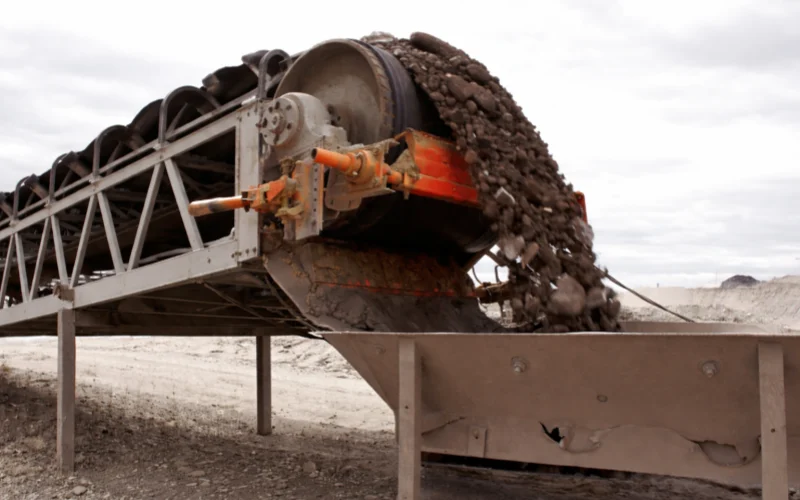
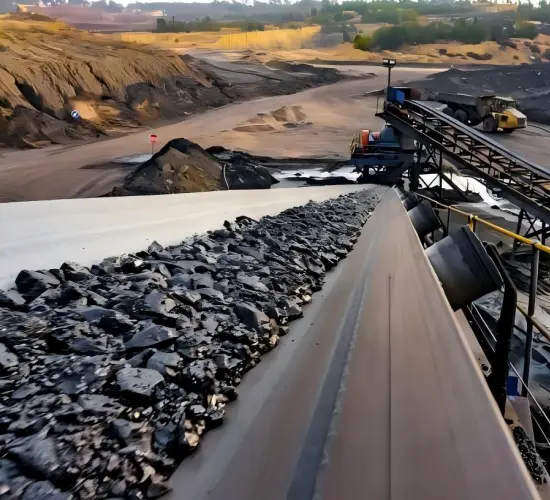
Conveyor belt clean system Mining Conveyor Systems

Mining Conveyor Systems

Mining operations often transport abrasive materials such as iron ore, coal, or crushed rock. After discharge, fine particles frequently remain attached to the conveyor belt surface and travel along the return side of the system. A primary polyurethane belt cleaner helps remove this residual material at the head pulley, reducing carryback accumulation along long conveyor lines commonly used in mining sites.
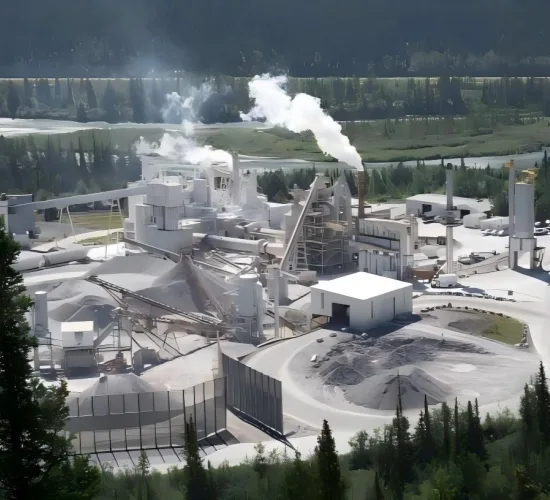
Cement plant

Cement Plant Conveyors

Cement production involves conveying materials such as clinker, limestone, and raw meal powders. These materials can adhere to the belt surface and create dust and residue along the return belt path. Installing a polyurethane scraper helps remove these materials early in the conveying cycle, helping maintain cleaner conveyor structures and improving housekeeping around cement plant conveyor systems.

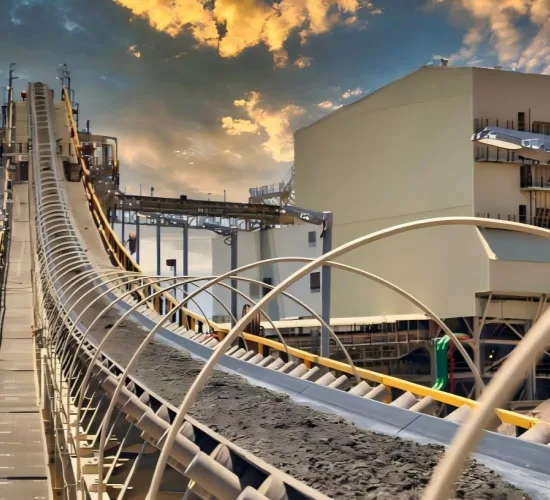
Coal Handling Systems

Coal handling conveyors in power plants and processing facilities often deal with sticky and fine materials that tend to cling to the belt surface. Without effective belt cleaning, these materials can accumulate under the conveyor and around return rollers. A primary polyurethane belt cleaner helps control this carryback and supports more stable conveyor operation.

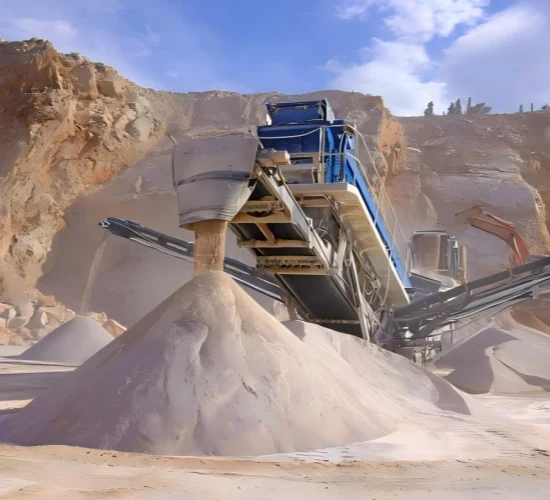
Aggregate Material Conveyors

Aggregate processing plants transport sand, gravel, and crushed stone through conveyor systems that operate continuously under high throughput conditions. Residual material on the belt can gradually fall along the return side, creating build-up around the conveyor structure. Polyurethane scrapers help remove remaining material from the belt surface and support cleaner conveyor operation.

Selecting the Right Primary Polyurethane Belt Cleaner

Use the quick checks below to confirm fitment and cleaning suitability before requesting a quote. This selection guide is designed for Primary Polyurethane Belt Cleaner and Polyurethane Scraper applications using a polyurethane blade.

Check Belt Width Compatibility
  • Confirm the nominal belt width from conveyor drawings or equipment documentation
  • Select a polyurethane scraper size that matches the belt width for full surface coverage
  • Ensure cleaning coverage includes both belt edges, not only the belt center
  • Proper matching helps reduce uneven carryback and improves belt cleaning consistency
Verify Head Pulley Installation Space
  • Confirm available space near the head pulley for mounting shaft and brackets
  • Make sure adjustment access is available for the tension mechanism during operation
  • Leave clearance for blade inspection and segmented blade replacement
  • Correct positioning helps maintain stable contact between the polyurethane blade and belt
Evaluate Material Characteristics
  • Identify whether the material is sticky, fine, damp, or abrasive (carryback risk is higher)
  • Sticky/fine materials benefit from consistent blade contact and stable scraper pressure
  • For higher carryback, confirm the polyurethane blade can maintain contact without chatter
  • Share material type and operating conditions to get an optimized scraper recommendation
Not sure which model fits your conveyor?

Primary Belt Cleaner Installation Position

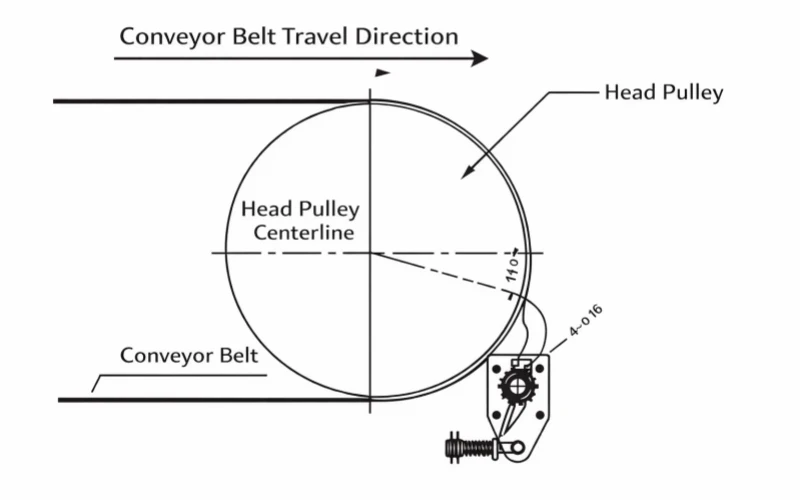
Primary polyurethane belt cleaners are installed at the head pulley of the conveyor system. This position allows the polyurethane scraper blade to remove residual material immediately after material discharge, before the belt enters the return section of the conveyor.

Installing the cleaner at the head pulley helps control carryback at the earliest point in the conveying cycle and prevents residual material from spreading along the return side of the conveyor system.

Why Install the Cleaner at the Head Pulley

Typical Installation Characteristics

Frequently Asked Questions
-- Primary Polyurethane Belt Cleaners

The scraper pressure should be adjusted so that the polyurethane blade maintains continuous contact across the entire conveyor belt surface without excessive compression.

Typical adjustment guidelines include:

• The blade should maintain full contact across the belt width when the conveyor is running
• Excessive compression of the polyurethane blade should be avoided to prevent accelerated blade wear
• The tension spring should provide enough force to remove residual material without increasing belt friction
• During operation, the cleaning edge of the polyurethane blade should maintain a consistent contact line along the belt surface

In practical operation, scraper pressure is typically adjusted through the tension mechanism until stable cleaning performance is achieved while maintaining controlled blade wear.

• Abrasiveness of the conveyed material, such as crushed rock or mineral ores
• Conveyor belt speed and daily operating hours
• Blade pressure settings and tension system adjustment
• Environmental factors such as moisture, temperature, and material stickiness

• A primary cleaner removes most residual material but may not eliminate extremely fine particles
• Sticky materials or moist bulk products may require additional secondary cleaning stages
• Incorrect scraper pressure adjustment can reduce cleaning effectiveness
• Conveyor belt surface condition also influences cleaning performance

• Polyurethane materials are designed to maintain flexible contact with the belt surface
• Compared with rigid metal scrapers, polyurethane blades apply more controlled pressure on the belt
• When properly adjusted, polyurethane scrapers help remove material without excessive belt wear
• Incorrect tension settings or improper installation may still affect belt surface condition

• Ensure the scraper blade maintains uniform contact across the full belt width
• Regularly inspect blade wear and adjust tension when necessary
• Verify that the cleaner is installed at the correct position near the head pulley
• Consider multi-stage cleaning systems if the material is extremely sticky or fine

Get a Quote for Primary Polyurethane Belt Cleaners

Submit your belt width and application details to receive the recommended polyurethane scraper model and quotation.

Get Quotation Now