China Primary Conveyor Belt Scraper Manufacturer

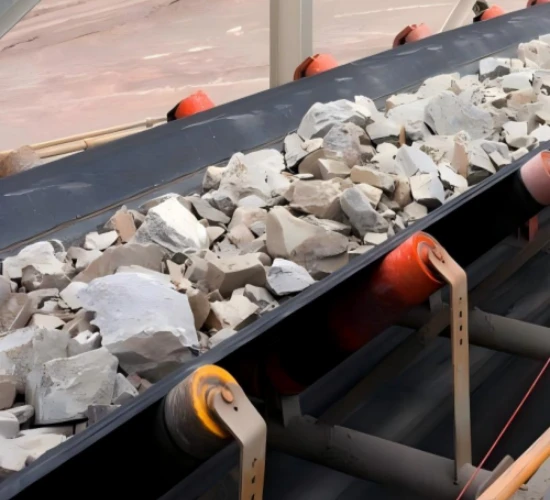
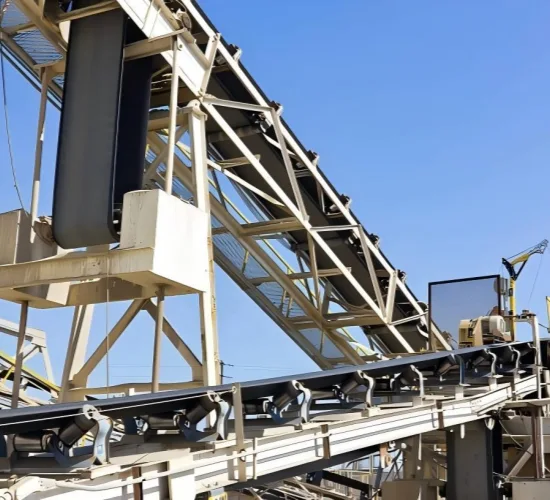
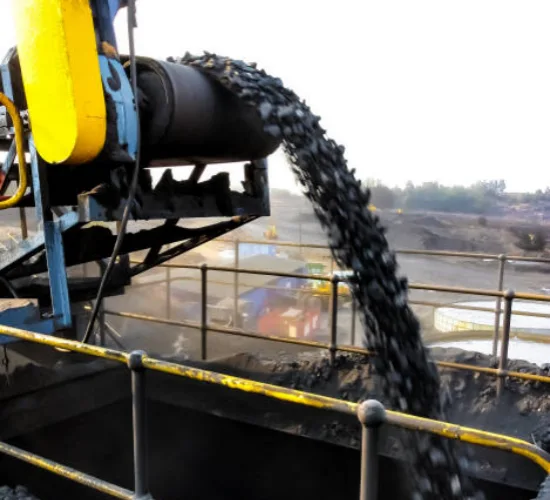
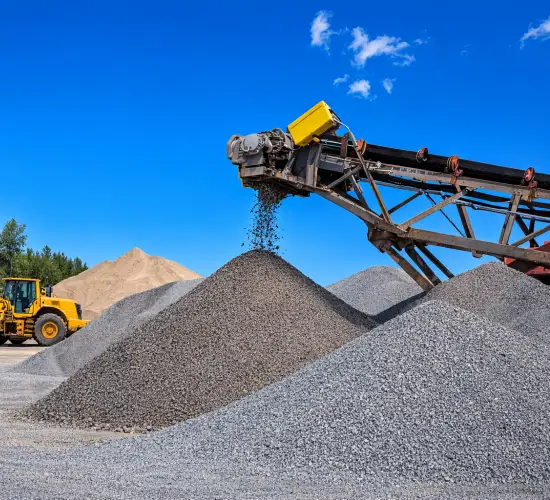
IDLERON supplies high-performance Primary Conveyor Belt Scrapers designed to remove carryback material at the head pulley of conveyor systems. Widely used in mining, cement, coal, and bulk material handling industries, IDLERON belt scrapers are engineered for reliable cleaning performance and long service life.

primary conveyor Belt scraper Products overview

Primary Conveyor Belt Scraper Overview

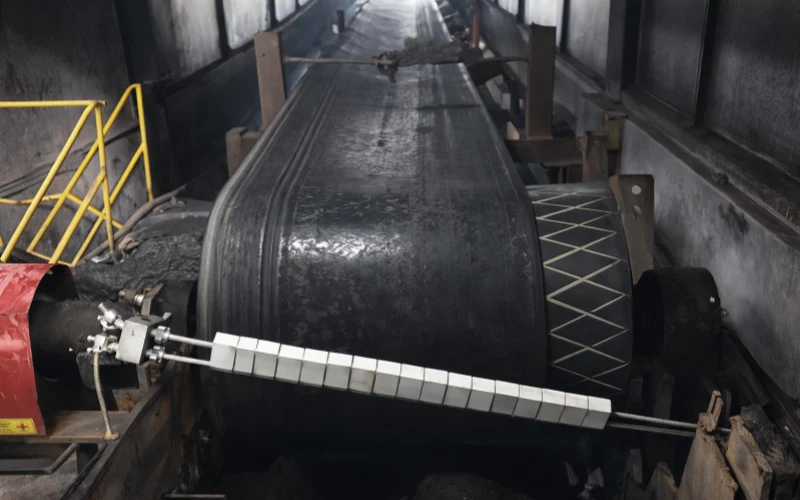
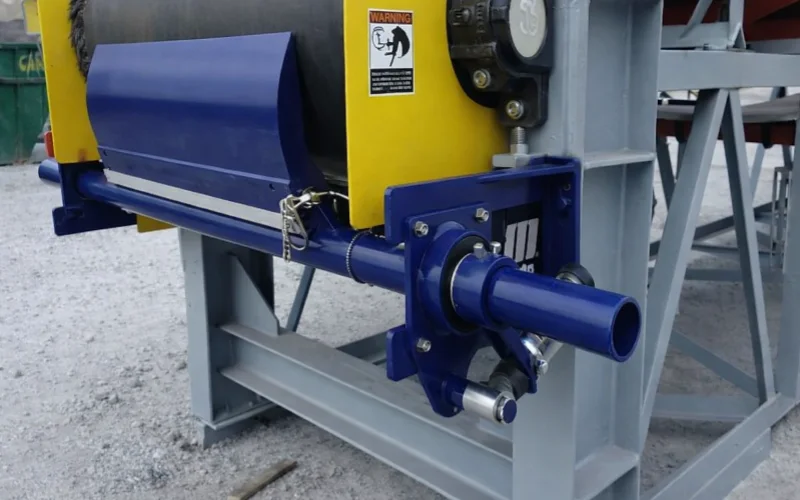
A Primary Conveyor Belt Scraper is installed at the head pulley of a conveyor system to remove material that remains on the belt surface after discharge. By cleaning the belt at the discharge point, it effectively reduces carryback material that would otherwise fall along the return side of the conveyor and cause buildup, spillage, and additional maintenance.

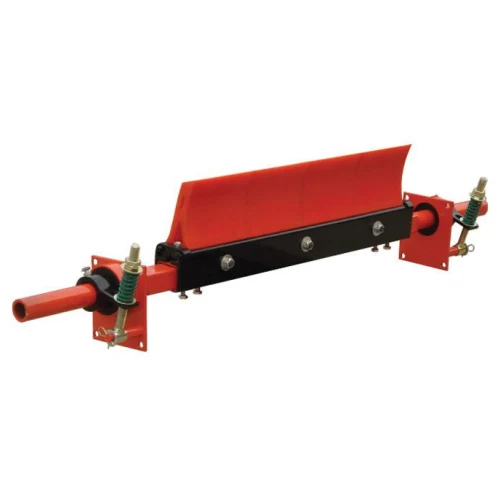
The IDLERON Primary Conveyor Belt Scraper provides the first stage of conveyor belt cleaning through a durable scraper blade and an adjustable tensioning system that maintains consistent contact with the belt surface. This design helps improve cleaning efficiency, reduce material accumulation, and support reliable conveyor operation in mining, cement, coal, and other bulk material handling applications.

Types of Primary Conveyor Belt Scrapers

Modular Design for Different Belt Widths

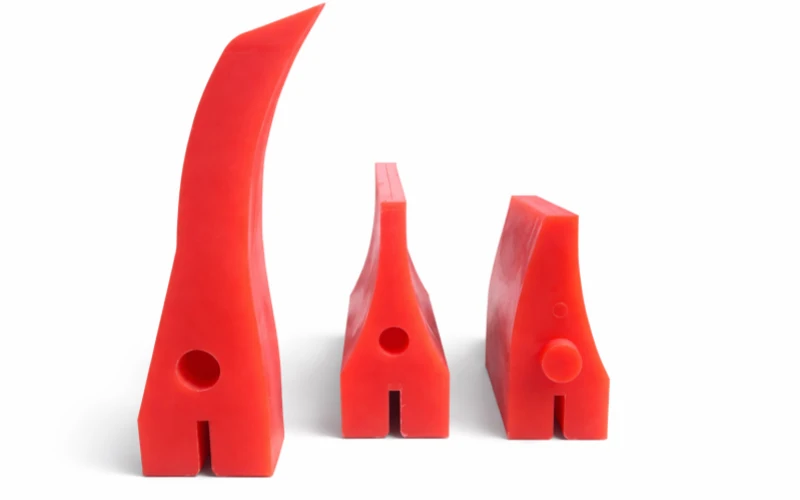
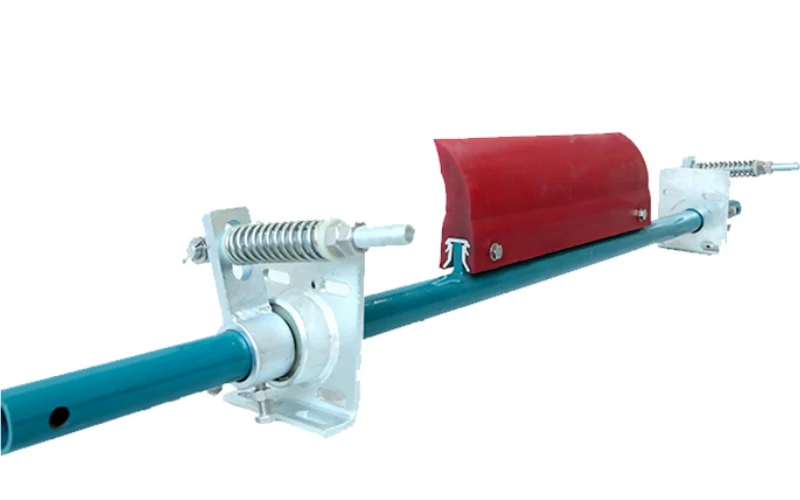
Primary Polyurethane Belt Cleaner

Designed with wear-resistant polyurethane blades, this primary belt cleaner efficiently removes carryback material at the head pulley while protecting the conveyor belt surface. It is suitable for most standard bulk material handling conveyor systems.
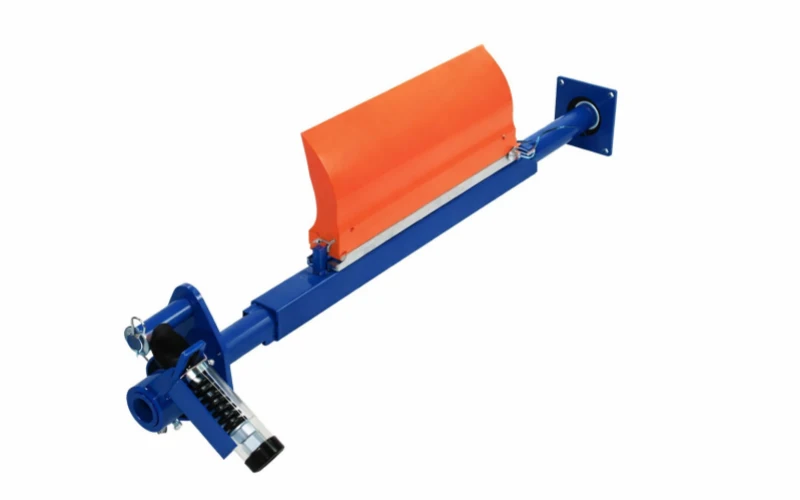
Modular Blade Replacement Structure

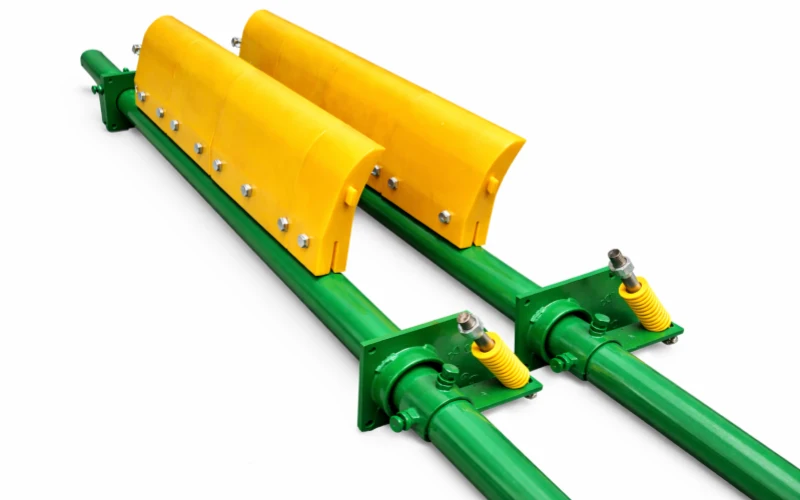
Heavy-Duty Primary Polyurethane Belt Cleaner

This heavy-duty polyurethane belt cleaner provides stronger cleaning force and improved durability for conveyors handling large material volumes. Its reinforced structure ensures stable cleaning performance and extended blade service life in demanding operating conditions.
Maintenance-Friendly Blade Replacement

Standard Primary Polyurethane Belt Cleaner

The standard polyurethane belt cleaner offers reliable belt cleaning performance for general conveyor applications. Its flexible blade material maintains effective contact with the belt surface while reducing wear on both the scraper and the conveyor belt.
alloy blade Conveyor belt scraper-4

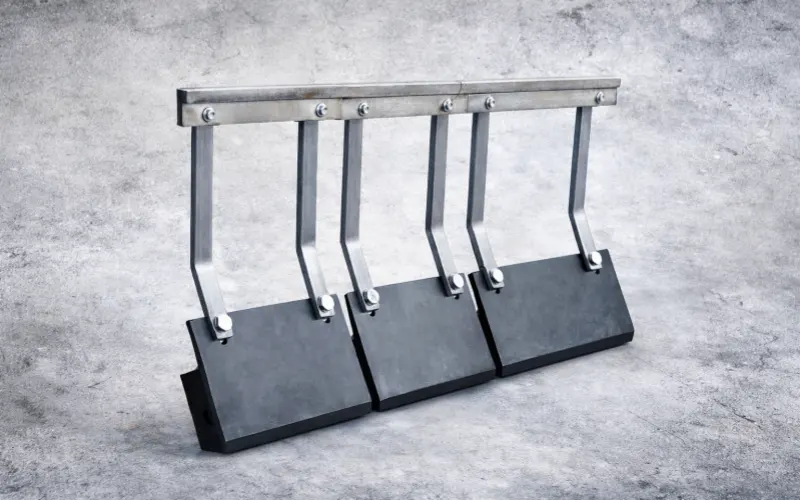
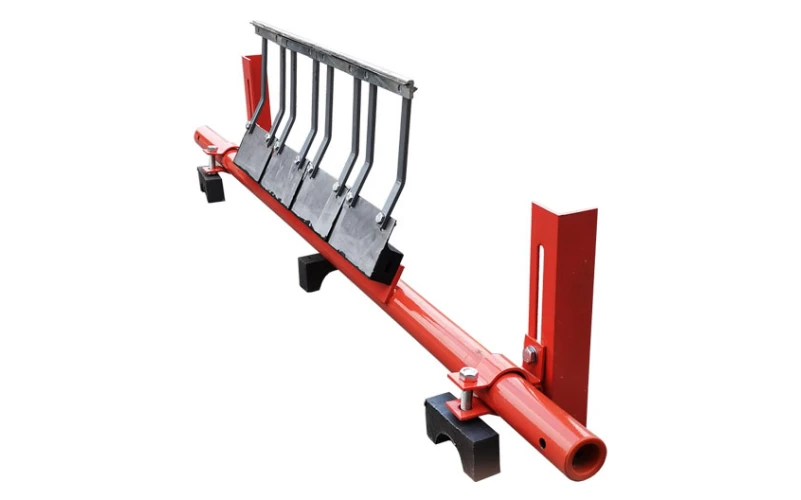
Primary Alloy Blade Belt Cleaner

Equipped with high-strength alloy blades, this primary belt cleaner delivers enhanced wear resistance for conveyors handling abrasive materials. The durable blade structure ensures consistent carryback removal and long service life in continuous conveyor operation.
Primary Ceramic Belt Cleaner 800-500

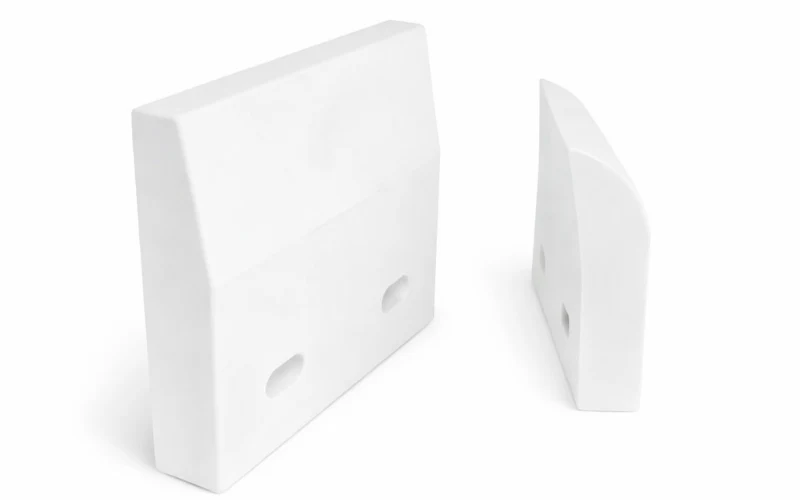
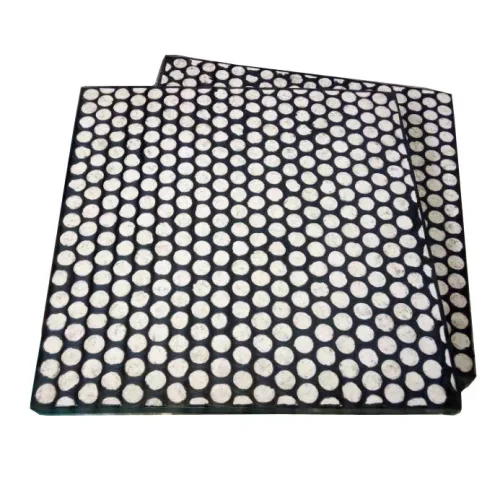
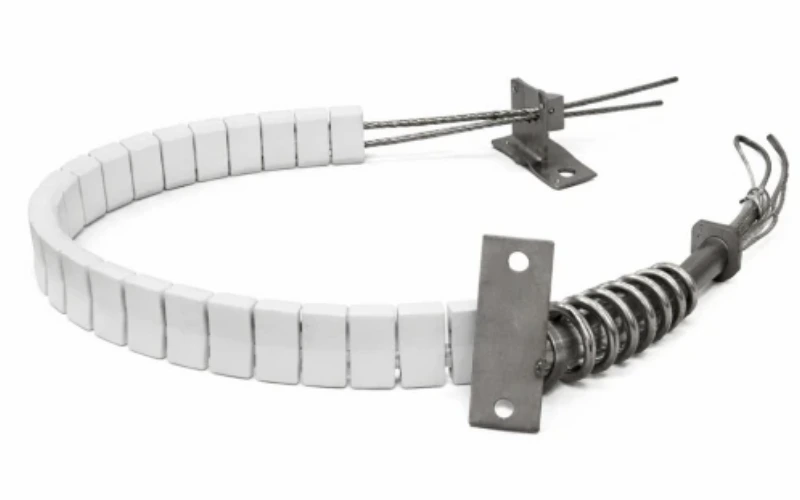
Primary Ceramic Belt Cleaner

The ceramic blade design provides excellent wear resistance and stable cleaning performance for conveyor belts carrying abrasive bulk materials. This type of primary scraper is ideal for improving belt cleaning efficiency in demanding material handling systems.
H Type Primary Ceramic Belt Cleaner Overview

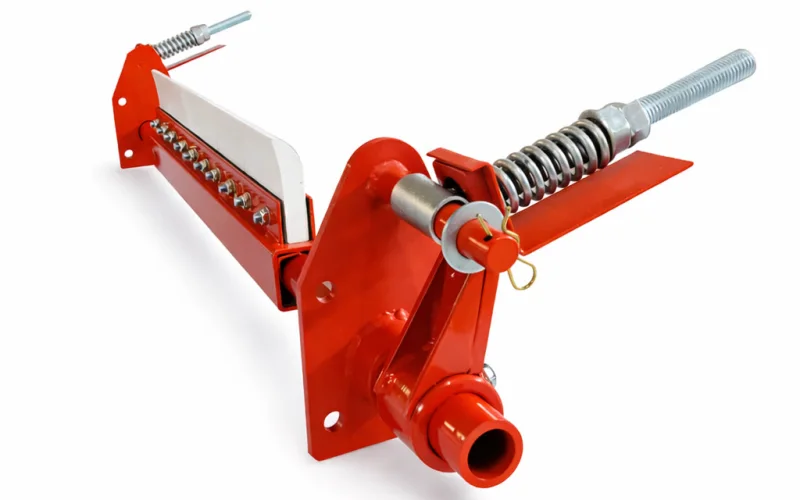
H-Type Primary Ceramic Belt Cleaner

The H-type ceramic belt cleaner features a modular blade structure that improves cleaning efficiency while simplifying maintenance and blade replacement. Its robust design ensures reliable carryback removal and stable conveyor belt cleaning performance.
Primary Conveyor Belt Scraper Installation Position

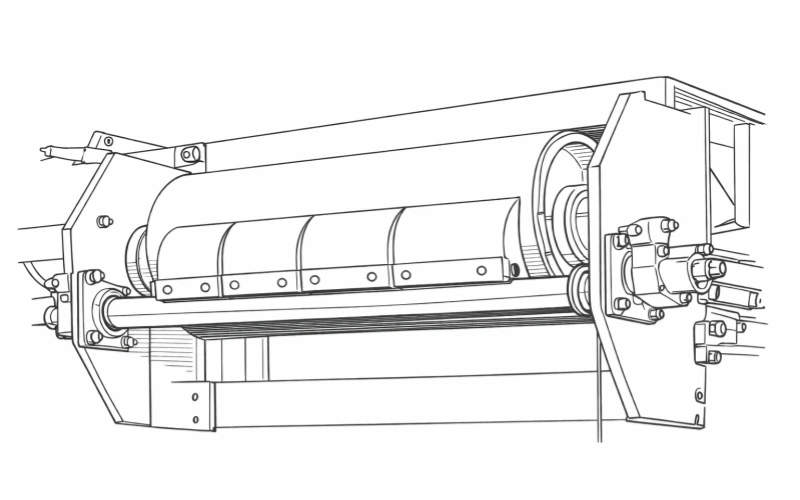
A Primary Conveyor Belt Scraper is installed at the head pulley of the conveyor system, directly after the material discharge point. At this position, the belt begins to change direction and residual material still attached to the belt surface can be effectively removed.

Installing the primary scraper at the head pulley allows the blade to clean the belt before it enters the return section. This prevents carryback material from falling along the conveyor structure, reducing material buildup, minimizing maintenance work, and improving overall conveyor system cleanliness.

Primary Conveyor Belt Scraper Installation Position diagram

Primary Conveyor Belt Scraper Structural Design

The IDLERON Primary Conveyor Belt Scraper is designed with a durable structural system to ensure stable belt cleaning performance and long-term reliability in bulk material handling environments.

Heavy-Duty Main Frame Structure

The main frame of the scraper is fabricated from high-strength structural steel to provide stable support for the entire cleaning assembly. During conveyor operation, the frame maintains the correct alignment between the scraper blade and the belt surface, preventing vibration or uneven pressure that could reduce cleaning efficiency.
This rigid structure ensures the scraper maintains consistent contact pressure with the belt while withstanding continuous operation in industrial conveyor systems.

Blade Mounting and Support Structure

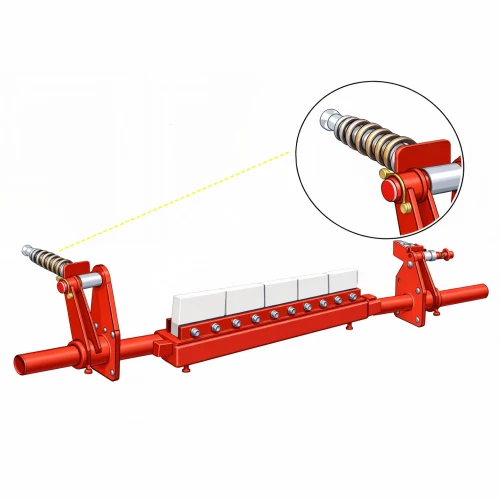
The scraper blade is mounted on a reinforced blade holder that distributes pressure evenly across the entire belt width. This design helps maintain uniform contact between the blade edge and the belt surface, allowing the cleaner to remove carryback material effectively without causing localized belt wear.
The blade mounting structure also allows quick blade replacement, reducing downtime during routine maintenance.

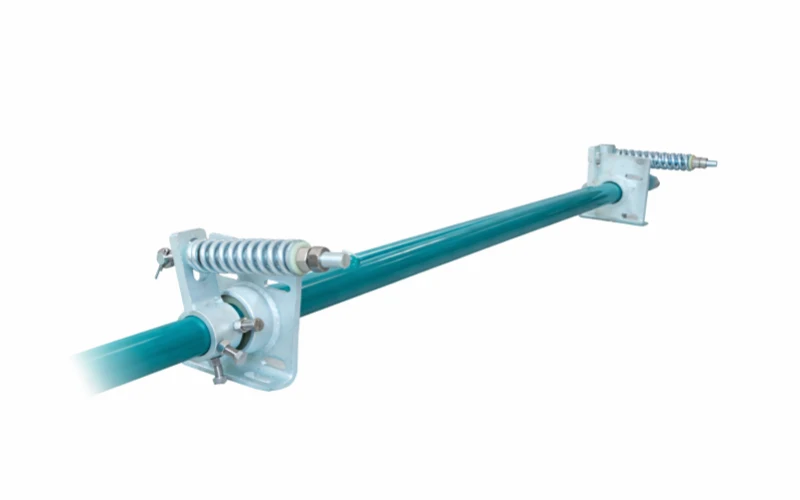
Spring Tensioning Mechanism

The tensioning system plays a critical role in maintaining the correct pressure between the scraper blade and the conveyor belt. The IDLERON Primary Belt Scraper uses an adjustable spring tensioning mechanism that automatically compensates for blade wear over time.
As the blade gradually wears down during operation, the spring system maintains consistent cleaning pressure, ensuring stable cleaning performance without frequent manual adjustments.

Simple Structure for Easy Removal

Adjustable Installation Bracket

The scraper is equipped with an adjustable mounting bracket designed to fit different conveyor structures and belt widths. This bracket allows installers to precisely position the scraper at the optimal cleaning angle relative to the head pulley.
The adjustable design simplifies installation and allows maintenance teams to easily fine-tune the scraper position to achieve the best belt cleaning results.

Blade Materials for Primary Conveyor Belt Scrapers

The scraper blade is the core component of a Primary Conveyor Belt Scraper, directly determining cleaning efficiency, wear resistance, and maintenance frequency. IDLERON provides different blade material options to suit various conveyor operating conditions and material characteristics.

alloy blade Conveyor belt scraper-4

Polyurethane Scraper Blades

Polyurethane blades are widely used in primary belt scrapers because they provide a good balance between wear resistance and belt protection. The flexible material allows the blade edge to maintain stable contact with the conveyor belt surface while minimizing the risk of belt damage. These blades are suitable for most bulk material handling applications where reliable cleaning performance and moderate wear resistance are required.

Alloy Blade

Tungsten Carbide Scraper Blades

Tungsten carbide blades are designed for applications involving highly abrasive materials. The carbide edge provides significantly higher wear resistance compared to standard polymer blades, allowing the scraper to maintain effective cleaning performance for longer operating periods. This blade type is commonly used in conveyors transporting hard or abrasive materials where extended blade life is required.

Segmented Blade Design

Ceramic Scraper Blades

Ceramic scraper blades combine high hardness with excellent wear resistance, making them suitable for demanding conveyor belt cleaning applications. The ceramic inserts provide durable scraping edges that maintain effective cleaning performance when handling abrasive bulk materials such as coal, ore, and aggregates. These blades help extend scraper service life while maintaining stable belt cleaning efficiency in continuous conveyor system operation.

Applications of Primary Conveyor Belt Scrapers

Primary conveyor belt scrapers are widely used in bulk material handling systems to remove carryback material and maintain clean conveyor belts. They help reduce material buildup, improve operational efficiency, and minimize maintenance work across various industries that rely on continuous conveyor transportation.

mining industry

Mining Industry

In mining operations, conveyor belts transport large volumes of ore and mineral materials across long distances. Residual material often remains attached to the belt surface after discharge. Installing a primary conveyor belt scraper at the head pulley helps remove carryback material early, reducing material buildup along the return belt and improving overall conveyor system cleanliness.
Cement plant conveyor belt

Cement Plants

Cement plants rely on conveyor systems to transport limestone, clinker, and powdered materials throughout the production process. Fine materials can easily stick to the belt surface and create carryback problems. A primary belt scraper removes residual material at the discharge point, helping keep conveyors clean and reducing maintenance work inside the plant.
coal handling system

Coal Handling Systems

Coal handling systems use conveyor belts to move coal continuously between storage areas and processing units. Coal dust and fine particles often remain attached to the belt after discharge. Primary conveyor belt scrapers help remove this material at the head pulley, preventing carryback accumulation along the return belt and improving system operation.
Aggregate Processing

Aggregate Processing

Aggregate processing plants use conveyors to transport crushed stone, gravel, and sand between different production stages. Abrasive materials can remain on the belt surface and cause carryback issues. Primary belt scrapers remove residual material at the head pulley, helping maintain clean conveyor belts and improving operational efficiency in aggregate processing facilities.
port terminal

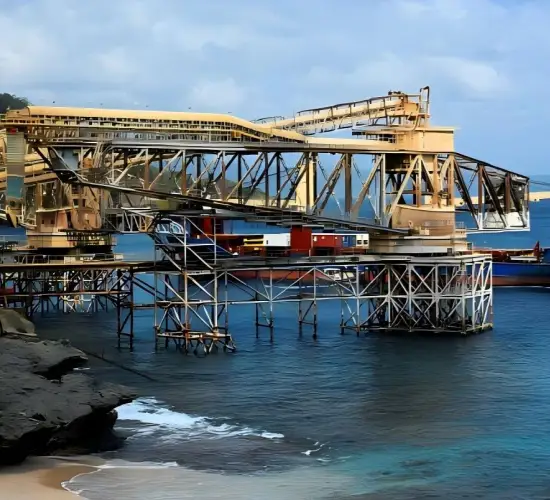
Port Terminals

Bulk cargo terminals rely on conveyor systems to transport materials such as coal, ore, and grain between storage and loading areas. Continuous conveyor operation makes belt cleaning essential. Primary conveyor belt scrapers remove carryback material after discharge, helping prevent buildup along the return belt and maintaining reliable conveyor performance.

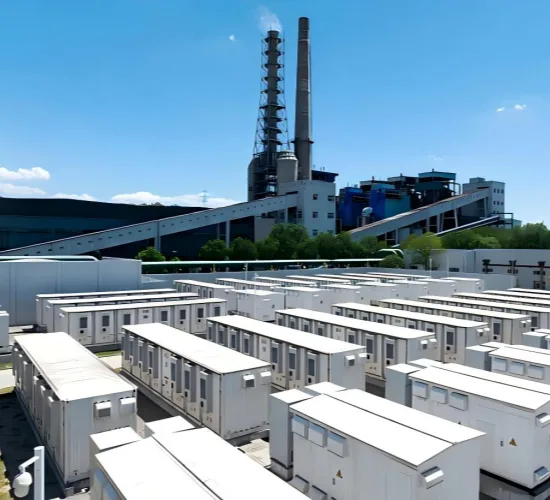
Power Plants

Power plants use conveyor systems to transport fuel materials such as coal to boilers and storage facilities. Residual fuel particles can remain on the belt surface after discharge. Installing a primary conveyor belt scraper helps remove carryback material at the head pulley, keeping the conveyor system cleaner and reducing maintenance requirements.

Advantages of IDLERON Primary Conveyor Belt Scrapers

Efficient Carryback Removal

Primary scrapers are designed to remove residual material from the belt surface at the head pulley. By eliminating most carryback material early, they help prevent buildup along the return belt and conveyor structure while maintaining cleaner and more efficient conveyor operation.

Improved Conveyor System Cleanliness

Material carryback often leads to dust accumulation and spillage around conveyor structures. Installing a primary belt scraper helps keep conveyor belts cleaner, reducing material buildup around idlers, pulleys, and support structures while improving the overall cleanliness of conveyor operating environments.

Reduced Maintenance Requirements

Carryback material can accumulate along the conveyor frame and return belt, increasing the need for manual cleaning and maintenance. By removing residual material at the discharge point, primary scrapers help reduce maintenance workload and support smoother day-to-day conveyor system operation.

Long Blade Service Life

IDLERON scraper blades are manufactured from wear-resistant materials such as polyurethane, ceramic, or tungsten carbide. These materials provide durable scraping edges that maintain effective cleaning performance while reducing blade replacement frequency and overall maintenance costs.

Stable Cleaning Performance

The scraper uses a reliable tensioning system that maintains consistent contact between the blade and the conveyor belt surface. This stable pressure ensures continuous cleaning efficiency even as the blade gradually wears during normal conveyor operation.

Easy Installation and Adjustment

The scraper is designed with adjustable mounting brackets that allow flexible installation on different conveyor structures. Maintenance teams can easily adjust the scraper position to achieve the optimal cleaning angle, simplifying installation and routine maintenance work.

Not sure which model fits your conveyor?

IDLERON Manufacturing Capability for Conveyor Belt Scrapers

Advanced Manufacturing Equipment

IDLERON operates modern metal fabrication equipment including CNC cutting machines, precision machining equipment, automated welding systems, and surface treatment facilities. These machines allow stable and efficient production of scraper structures and components while maintaining consistent manufacturing accuracy across different scraper models.

Standardized Production Process

The production of IDLERON belt scrapers follows a structured workflow that includes material preparation, component fabrication, welding, surface treatment, and final assembly. This standardized process helps maintain stable production quality and ensures each scraper is manufactured according to consistent technical specifications.

Surface Treatment and Finishing

To improve durability in industrial environments, scraper components undergo professional surface treatment processes such as shot blasting and protective coating. These treatments enhance corrosion resistance and help maintain structural stability when the equipment operates in dusty or humid material handling environments.

Reliable Production Capacity

IDLERON maintains stable manufacturing capacity supported by dedicated production equipment and experienced operators. This allows us to provide reliable supply for bulk orders and long-term industrial projects requiring consistent delivery of conveyor belt scraper equipment.

Flexible Custom Manufacturing

To match different conveyor layouts and installation requirements, IDLERON supports customized manufacturing based on conveyor belt width, installation structure, and site conditions. This flexibility allows customers to obtain scraper systems that integrate smoothly into existing conveyor installations.

Frequently Asked Questions
-- Primary Conveyor Belt Scrapers

Blade material significantly influences cleaning efficiency, wear resistance, and maintenance intervals. Polyurethane blades provide flexible contact with the belt surface and are suitable for general bulk materials. Alloy or ceramic blades offer stronger wear resistance for abrasive materials such as ore or aggregates. Selecting the correct blade material helps balance cleaning efficiency, blade lifespan, and protection of the conveyor belt surface during continuous operation.

Material adhesion plays a major role in conveyor belt cleaning performance. Sticky or wet materials tend to remain attached to the belt surface after discharge, making removal more difficult. In these situations, the scraper blade must maintain stable contact with the belt surface to gradually separate the adhered material. Proper blade material selection and consistent tension pressure help improve cleaning efficiency when handling materials with strong adhesion characteristics.
Several operating factors should be evaluated when choosing a scraper, including material abrasiveness, moisture content, conveyor speed, and discharge characteristics. Abrasive materials may require harder blade materials, while sticky or wet materials may require flexible blades that maintain stable belt contact. Understanding these conditions helps ensure the scraper operates efficiently and maintains reliable cleaning performance over time.

The tensioning system determines how consistently the scraper blade maintains contact with the conveyor belt. A properly designed tension system compensates for blade wear and ensures stable pressure throughout operation. Maintaining consistent blade pressure is essential for effective material removal while preventing excessive friction that could accelerate blade or belt wear.

Uniform pressure distribution across the entire blade edge ensures that carryback material is removed evenly from the belt surface. If pressure is uneven, certain sections of the belt may remain contaminated while others experience excessive blade wear. A properly engineered scraper structure helps maintain balanced contact across the belt width, improving cleaning efficiency and extending blade service life.

Blade service life depends on several operating variables, including material abrasiveness, conveyor belt speed, blade material hardness, and system operating hours. Abrasive materials and high-speed conveyors generally increase blade wear. Regular inspection and timely adjustment of the tensioning system can help maintain cleaning performance and extend the operational life of the scraper blade.

A well-designed scraper structure simplifies maintenance tasks such as blade replacement and tension adjustment. Modular blade designs or accessible mounting structures allow maintenance personnel to replace worn components quickly. Efficient maintenance design helps reduce conveyor downtime and ensures the belt cleaning system continues operating reliably within industrial material handling environments.

Yes. Primary belt scrapers can be configured to accommodate various conveyor layouts, belt widths, and installation structures. Adjustable mounting brackets and adaptable support frames allow the scraper to be integrated into different conveyor systems. This flexibility ensures the scraper can be installed effectively without requiring major modifications to existing conveyor equipment.

Get the Right Primary Conveyor Belt Scraper for Your Conveyor System

Choosing the right scraper helps reduce carryback and maintain cleaner conveyor operation. IDLERON provides reliable primary belt scrapers and professional support for different conveyor systems.

Get Quotation Now