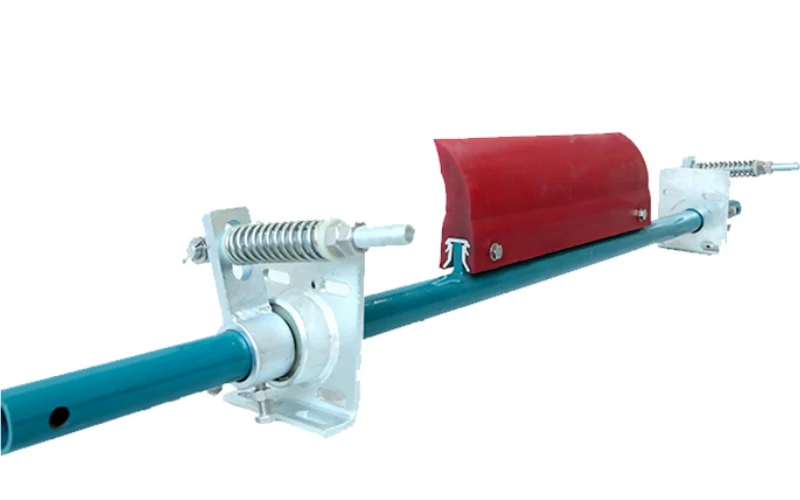
Conveyor Belt Cleaner Systems for Efficient Material Handling
–Reduce carryback, protect your conveyor system, and improve operational efficiency with high-performance belt cleaning solutions.
- Reduces carryback and prevents material buildup along the conveyor
- Prevents belt damage caused by material buildup and improper cleaning
- Cuts down manual cleaning and unexpected downtime
- Stable cleaning performance under heavy-duty and high-dust working conditions
Conveyor Belt Cleaner Types
Different types of belt cleaners are designed for specific cleaning tasks. Selecting the right type depends on material characteristics, cleaning requirements, and operating conditions.

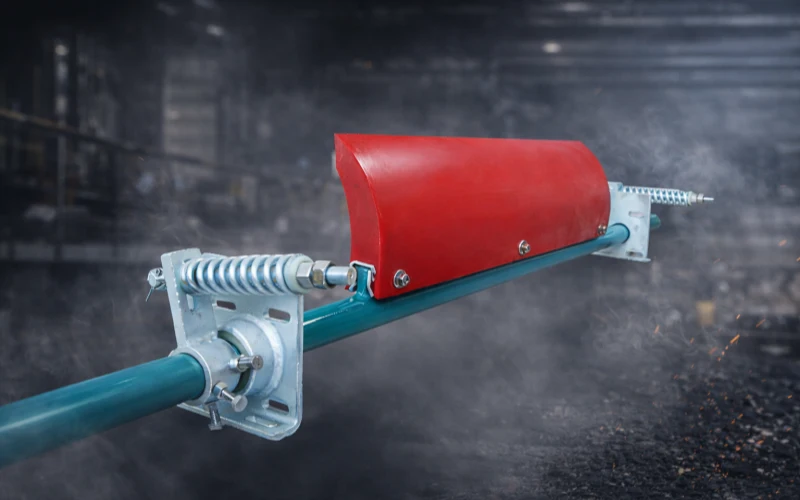
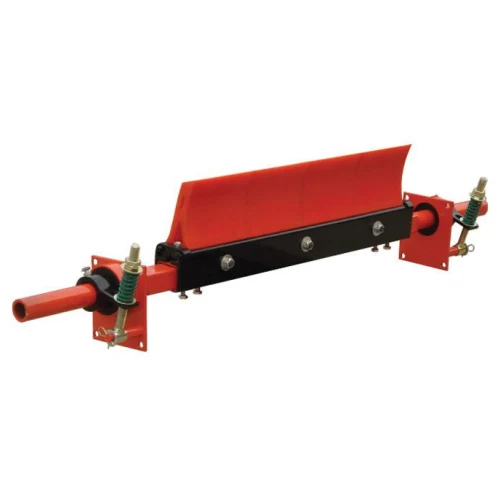
Primary Conveyor Belt Scraper
Designed for removing large volumes of bulk material, this scraper handles the initial stage of belt cleaning.
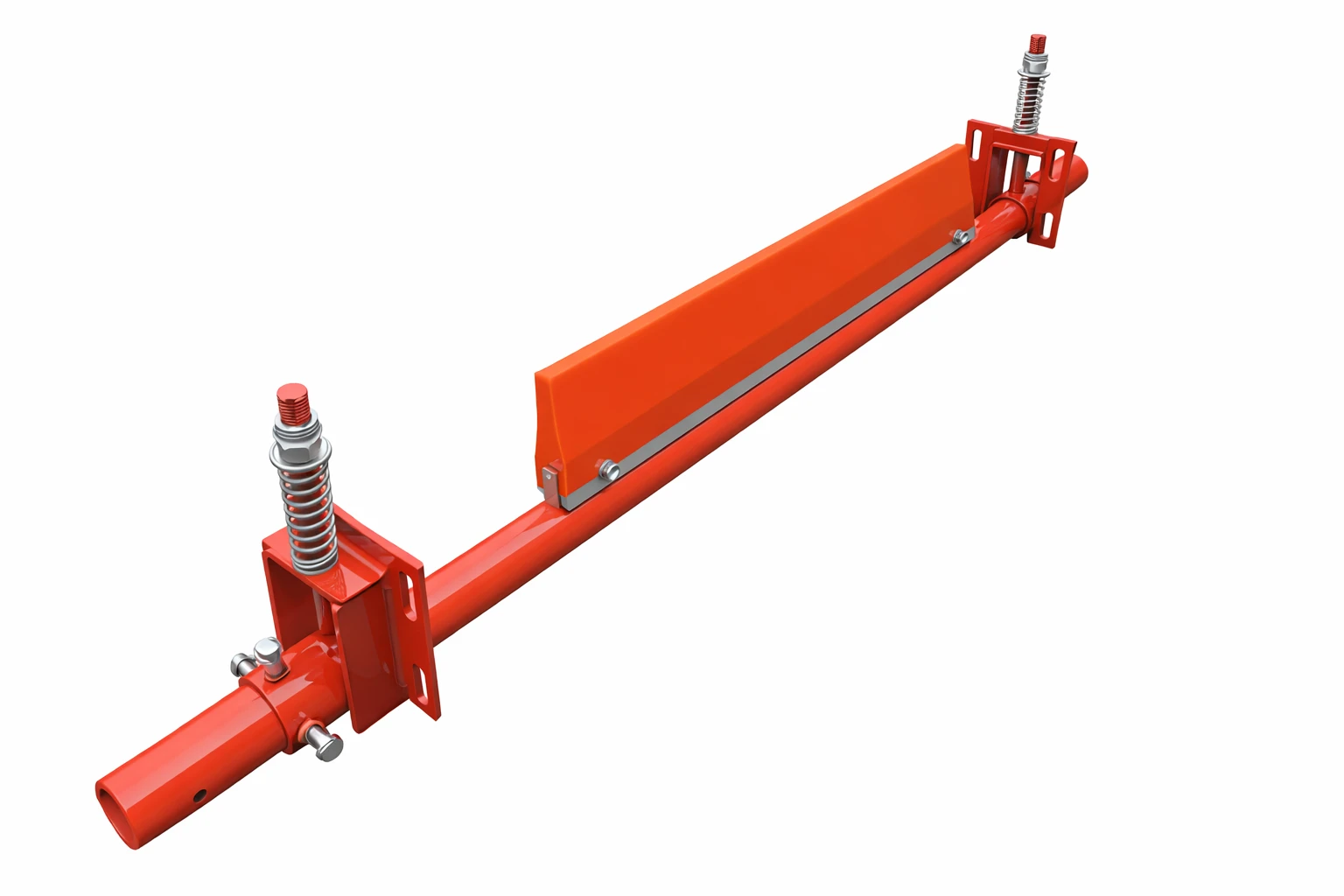
- Effective for high material load conditions
- Reduces the majority of carryback
- Suitable for mining, aggregates, and heavy-duty conveyors

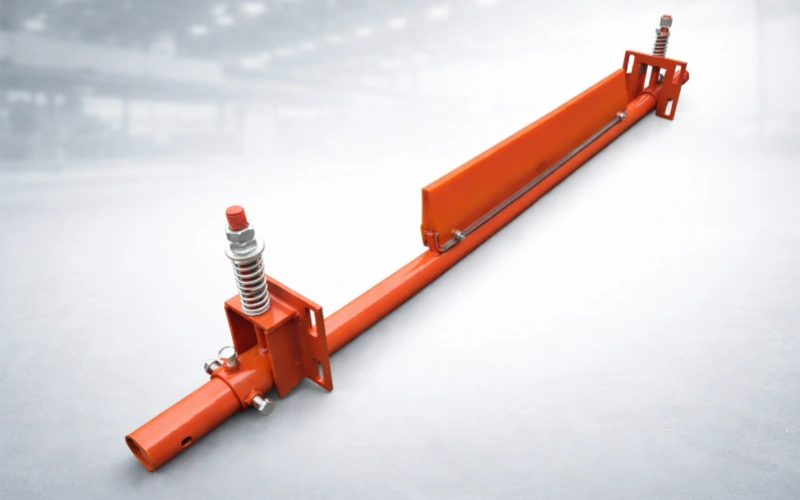
Secondary Belt Cleaner
Used for fine cleaning, this type targets residual material left after initial cleaning.
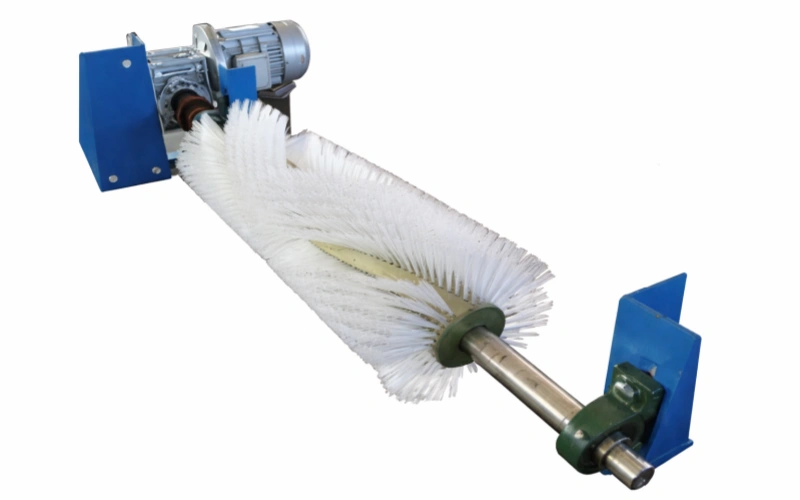
- Improves overall cleaning efficiency
- Removes fine particles and remaining material
- Helps maintain a cleaner conveyor system

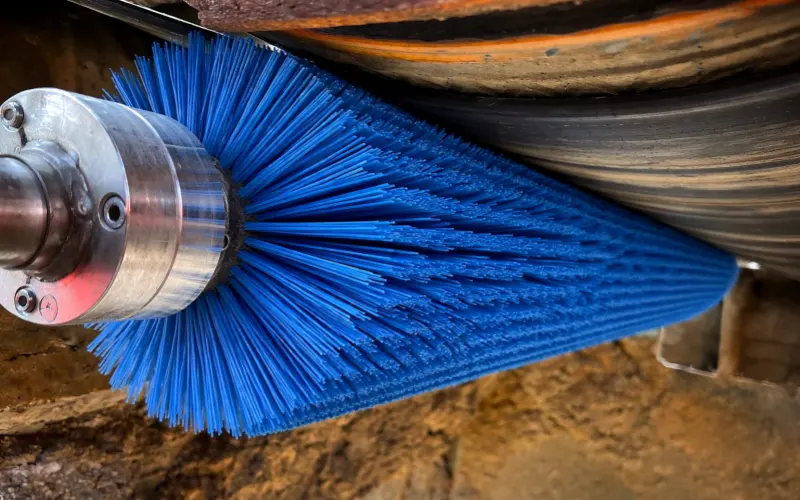
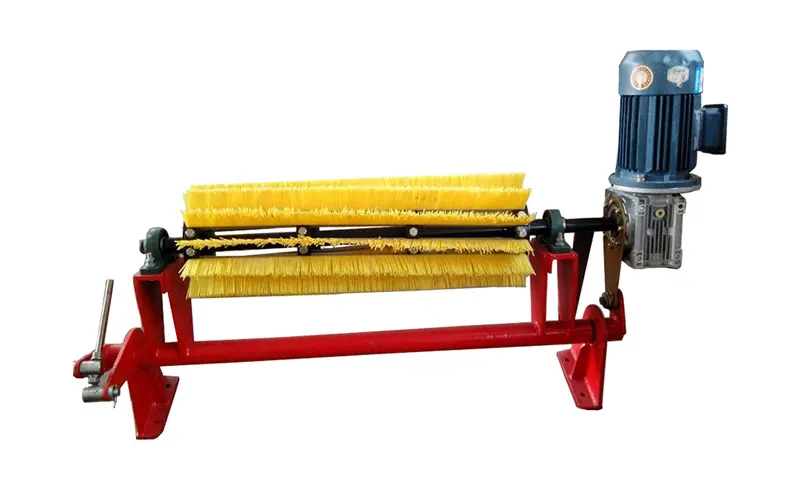
Brush Belt Cleaner
Designed for handling wet, sticky, or fine materials that are difficult to remove with conventional scrapers.
- Effective for high-moisture and sticky materials
- Continuous cleaning action
- Suitable for challenging material conditions

Return Belt Cleaner
Designed to prevent material from accumulating on the return side of the belt and entering critical conveyor components.
- Prevents debris buildup along the return line
- Protects conveyor components from contamination
- Reduces maintenance and cleaning workload
Why Choose IDLERON Conveyor Pulleys
Our reliability comes from controlled manufacturing processes, strict inspection standards, and engineering-driven customization, rather than general claims of quality.

Conveyor Belt Cleaner Installation Positions
Head Pulley (Discharge Point)
The primary cleaner is installed at the head pulley, where the belt changes direction and material is discharged.
• Removes the majority of bulk material at the source
• Reduces carryback from the initial stage
• Critical for controlling material buildup throughout the system
After Head Pulley (Return Side)
The secondary cleaner is installed along the return side of the belt, following the head pulley.
• Removes remaining fine material after primary cleaning
• Improves overall cleaning efficiency
• Helps maintain a cleaner belt surface during return
Before Tail Pulley (Return Belt)
The return belt cleaner (V-plow) is installed before the tail pulley to prevent material from entering critical components.
• Prevents debris from entering the tail pulley
• Protects the belt and pulley from damage
• Reduces risk of misalignment and equipment failure
Special Positions for Difficult Materials
Brush cleaners can be installed where additional cleaning is required, especially for wet, sticky, or fine materials.
• Provides continuous cleaning in challenging conditions
• Suitable for high-moisture or adhesive materials
• Can be installed based on specific system requirements
Common Conveyor Belt Cleaning Challenges
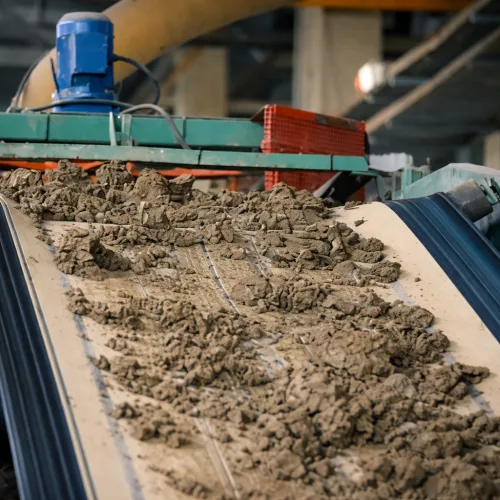
Ineffective belt cleaning can lead to serious operational issues across the entire conveyor system. These problems increase maintenance workload and reduce overall efficiency.
Poor Cleaning Performance in Difficult Conditions
Standard cleaning solutions often struggle with wet, sticky, or fine materials, resulting in persistent carryback problems.
Material Carryback and Buildup
Residual material remains on the belt and accumulates along the return line, causing spillage, contamination, and frequent cleanup requirements.
Damage to Conveyor Components
Accumulated material can enter pulleys or other components, leading to equipment wear, misalignment, and potential system failures.
Dust and Environmental Issues
Material spillage and carryback generate dust, affecting workplace safety and environmental compliance.
Excessive Cleaning and Maintenance Work
Manual cleaning becomes frequent due to material buildup, increasing labor cost and maintenance workload.
Higher Downtime Risk
When belt cleaning is ineffective, material buildup increases the chance of maintenance interruptions and unplanned shutdowns.
Complete Conveyor Belt Cleaning System
A single cleaner is not enough to control carryback effectively; a properly configured system is required to handle different materials, operating conditions, and cleaning stages across the conveyor

Primary Cleaning – Bulk Material Removal
The primary cleaning stage focuses on removing large volumes of material immediately after discharge, preventing excessive carryback from entering the return system and reducing the cleaning burden on downstream components under heavy-load and high-capacity conveying conditions.

Secondary Cleaning – Fine Material Removal
The secondary stage removes residual fine material that remains after initial cleaning, improving overall cleaning efficiency and preventing gradual buildup along the conveyor structure that can lead to long-term operational and maintenance issues.

Return Belt Protection – System Safeguarding
This stage prevents material from accumulating on the return belt and entering critical components such as pulleys, reducing the risk of equipment damage, belt misalignment, and unplanned maintenance caused by debris intrusion.

Special Condition Cleaning – Handling Difficult Materials
For wet, sticky, or fine materials, additional cleaning solutions are required to maintain effectiveness, ensuring that difficult material conditions do not compromise overall cleaning performance or lead to persistent carryback problems.
Key Advantages of IDLERON Belt Cleaners
IDLERON belt cleaners are developed for conveyor component applications, combining material selection, blade geometry, and tensioning mechanisms to improve cleaning efficiency, control wear behavior, and adapt to different bulk material conditions without requiring complex system modifications.

Engineered Blade Material Selection
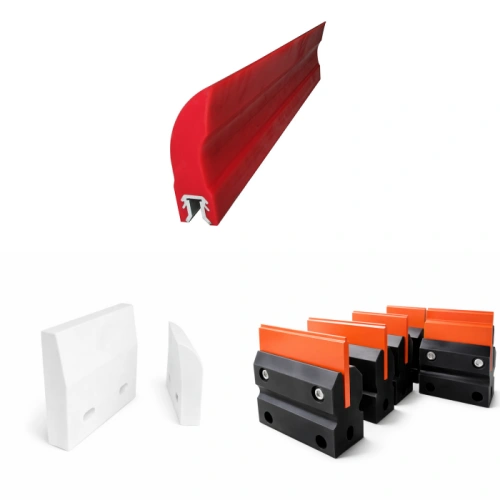
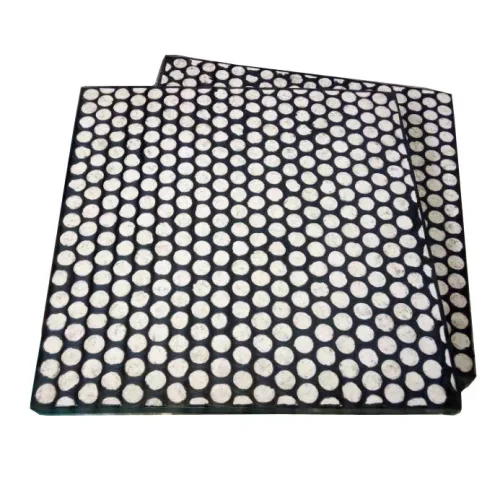
IDLERON cleaners use different blade materials such as polyurethane for elastic contact and belt protection, tungsten carbide for high abrasion resistance, and ceramic for extreme wear environments, allowing the blade to match material characteristics and reduce both wear rate and cleaning inefficiency.
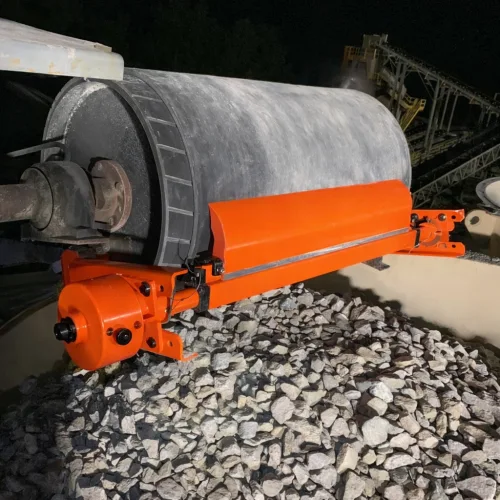
Multi-Stage Cleaning Compatibility
Each IDLERON cleaner is designed to function independently while also being compatible with upstream and downstream cleaners, allowing users to combine primary, secondary, and return cleaners based on actual needs rather than relying on a fixed or pre-defined system configuration.
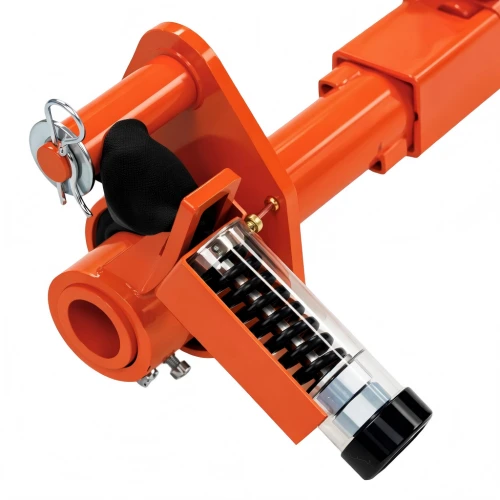
Stable Contact by Tension Design
IDLERON cleaners apply mechanical or spring-based tensioning structures to maintain consistent blade-to-belt contact, compensating for blade wear and belt irregularities, which helps avoid uneven pressure, local wear concentration, and loss of cleaning efficiency over time.
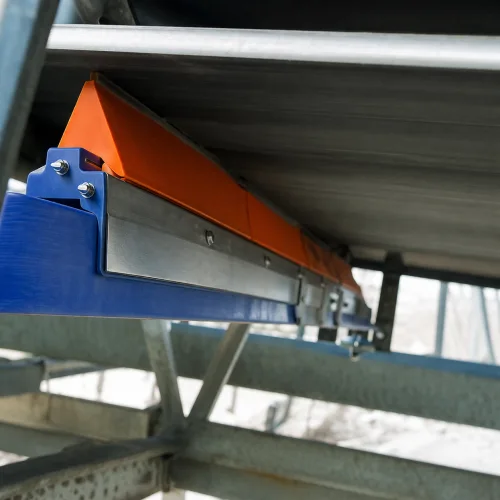
Adaptation to Material Behavior
Different blade structures and configurations are available to handle variations in material behavior such as moisture, particle size, and adhesion, ensuring that cleaning performance remains stable when dealing with sticky fines, abrasive bulk material, or mixed material conditions.
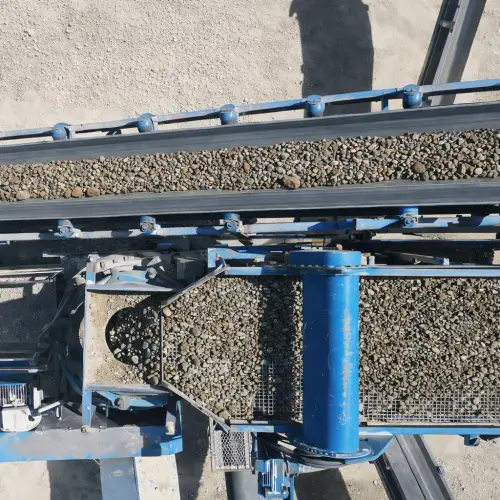
Material Types and Working Conditions
Belt cleaning performance is strongly influenced by material characteristics such as abrasiveness, moisture, and particle size, which determine cleaning difficulty and blade wear behavior.

Abrasive Bulk Materials

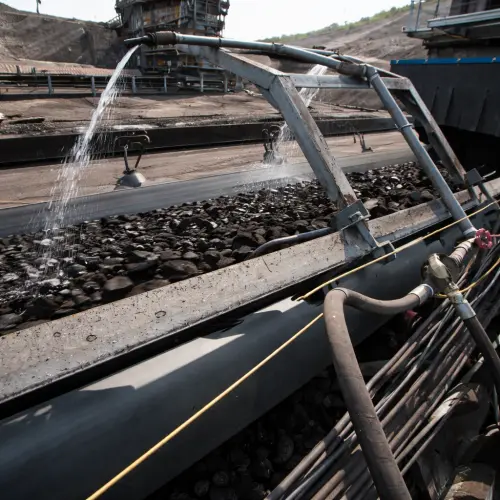
Wet and Sticky Materials
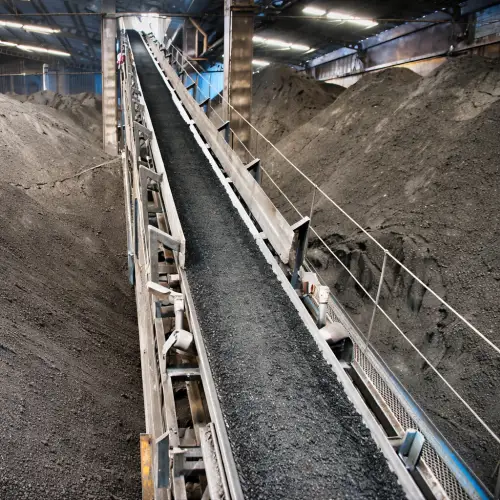
Fine and Powdery Materials
Mixed and Variable Materials
How to Select the Right Conveyor Belt Cleaner
Selecting a belt cleaner requires evaluating multiple factors together, including belt width, material characteristics, cleaning requirements, and operating conditions, rather than relying on a single parameter.
Step 1 – Determine Belt Width and Installation Size
Belt width defines the overall cleaner size, blade length, and mounting structure, making it the first parameter to confirm, as improper sizing can affect installation stability, contact alignment, and overall cleaning performance regardless of material or application.
Step 2 – Evaluate Material Characteristics
Material properties such as abrasiveness, moisture, particle size, and adhesion directly influence blade material selection and cleaning method, requiring appropriate matching to ensure effective cleaning while avoiding excessive wear or insufficient performance.
Step 3 – Define Cleaning Requirement
Different applications require different cleaning levels, and where higher cleanliness is needed, multiple cleaning stages such as primary and secondary cleaners are typically combined to control both bulk material and fine residues effectively.
Step 4 – Consider Operating Conditions
Operating factors such as belt speed, load capacity, and environmental conditions affect cleaner performance, requiring suitable structural configuration and blade selection to maintain stable contact and consistent cleaning effectiveness during continuous operation.
Frequently Asked Questions
-- Conveyor Belt Cleaners
In most cases, a properly selected primary cleaner can already remove the majority of bulk material at the discharge point. The limitation of a single cleaner is not its ability to handle large material, but its inability to remove fine residues that remain adhered to the belt surface. These fine particles accumulate over time, which is why additional cleaning stages are required to achieve acceptable overall cleanliness.
Soft materials such as polyurethane are preferred when belt protection and flexible contact are required, especially for belts with surface irregularities or where adhesion is moderate. Hard materials such as tungsten carbide are used in highly abrasive conditions like ore or aggregates, where wear resistance is critical. The selection depends on balancing wear life, cleaning force, and belt protection rather than choosing the hardest material.
Even with correct installation position, performance can be affected by insufficient or excessive contact pressure, uneven blade wear, or mismatch between blade material and conveyed material. Inconsistent belt surface conditions and fluctuating material load can further reduce cleaning effectiveness, making proper adjustment and material matching essential.
Belt width determines not only the physical size of the cleaner, but also the stability of the mounting structure and the distribution of contact force across the blade. Wider belts require more stable support and consistent pressure along the entire width to avoid uneven cleaning and localized wear.
Fine particles behave differently from bulk material, as they tend to adhere to the belt surface due to moisture, electrostatic effects, or surface roughness. Even after bulk removal, these residues require additional cleaning stages to be effectively removed and prevented from accumulating along the return system.
Blade wear is influenced by multiple factors including material abrasiveness, belt speed, contact pressure, and particle size distribution. High-speed conveying combined with abrasive materials significantly increases wear rate, while improper pressure settings can lead to localized wear or reduced cleaning efficiency.
Maintaining stable performance requires consistent contact between the blade and the belt, proper material selection, and regular adjustment to compensate for wear. Variations in material conditions and operating parameters must also be considered to ensure that cleaning effectiveness does not degrade over extended operation.
Get the Right Conveyor Belt Cleaner Configuration for Your System
IDLERON provides application-based solutions and support to match different material conditions and operating requirements.