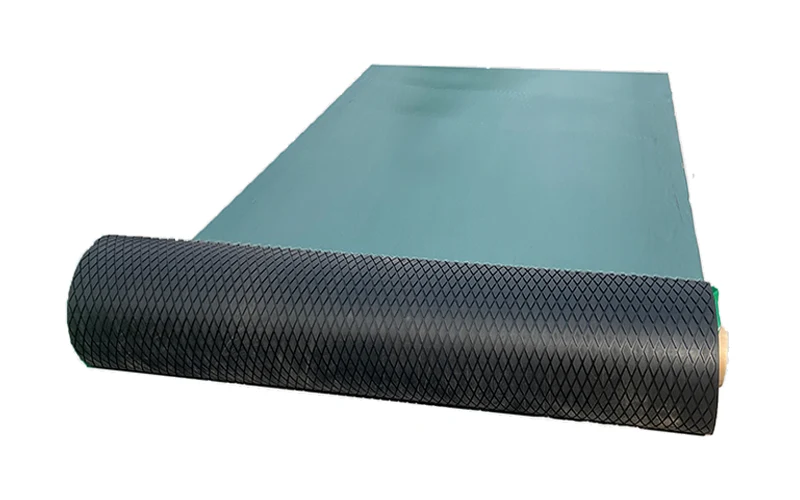
Durable Rubber Pulley Lagging for Conveyor Systems
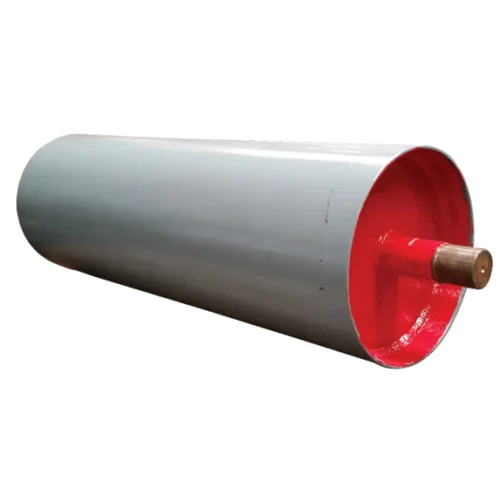
Durable rubber pulley lagging designed to improve traction, reduce belt slippage, and protect pulleys in standard and moderately demanding operating conditions.
- Consistent friction performance for stable belt operation
- Effective protection against pulley wear and surface damage
- Suitable for drive, tail, and bend pulleys
- Available in diamond, plain, and grooved patterns
Rubber Pulley Lagging Types

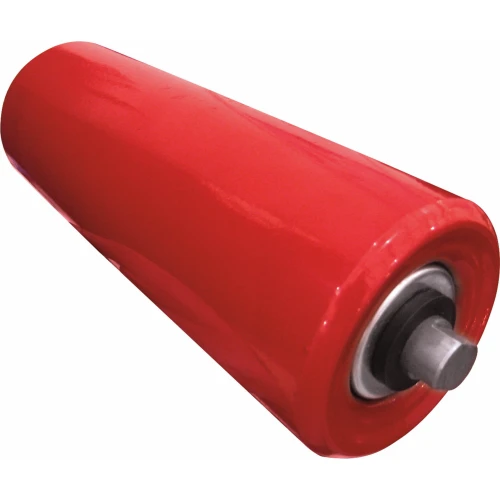
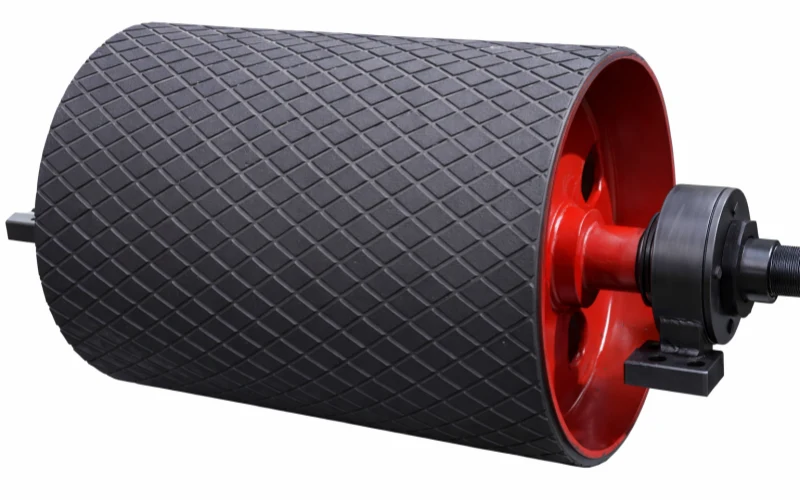
Rubber Pulley Lagging
Rubber pulley lagging is a versatile and cost-effective solution designed to improve friction between the conveyor belt and pulley surface. It provides stable performance in standard operating conditions and helps reduce belt slippage while protecting the pulley from wear.
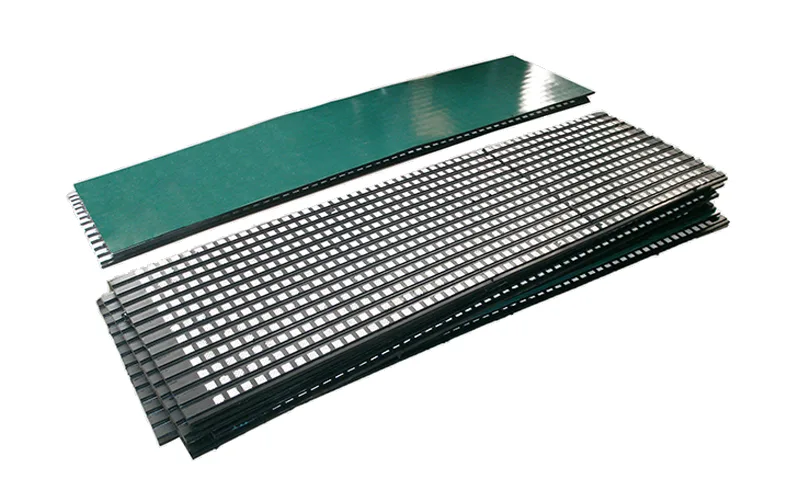
- Suitable for general conveying conditions
- Provides reliable traction for conveyor belts
- Helps protect pulley surface from wear
- Available in multiple rubber compounds and patterns

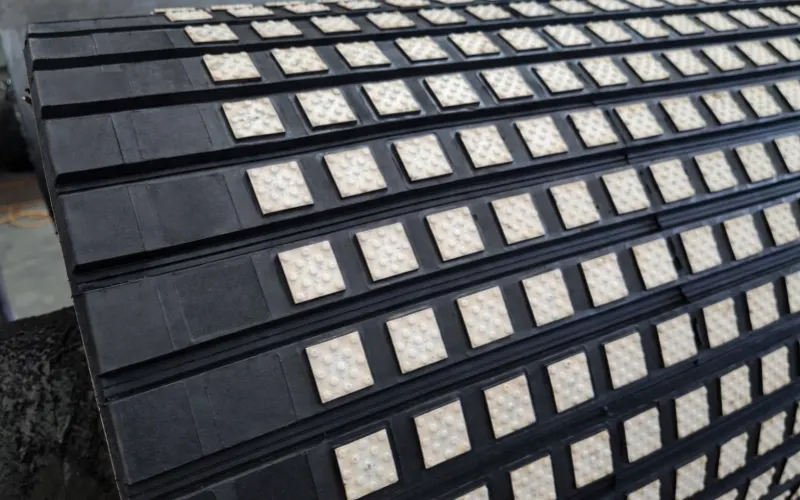
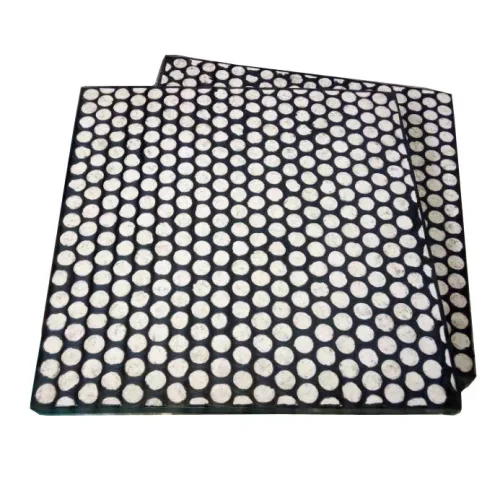
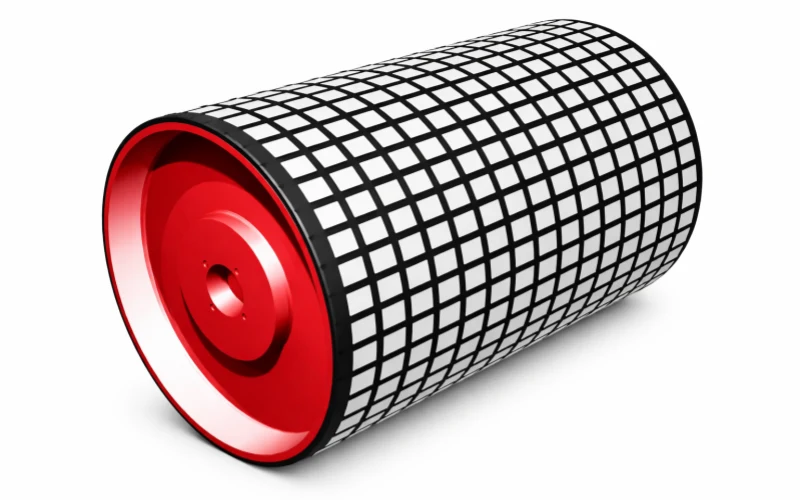
Ceramic Pulley Lagging
Ceramic pulley lagging is engineered for demanding applications where high friction and wear resistance are required. The embedded ceramic tiles significantly increase grip, especially in wet or contaminated conditions, ensuring stable conveyor operation.
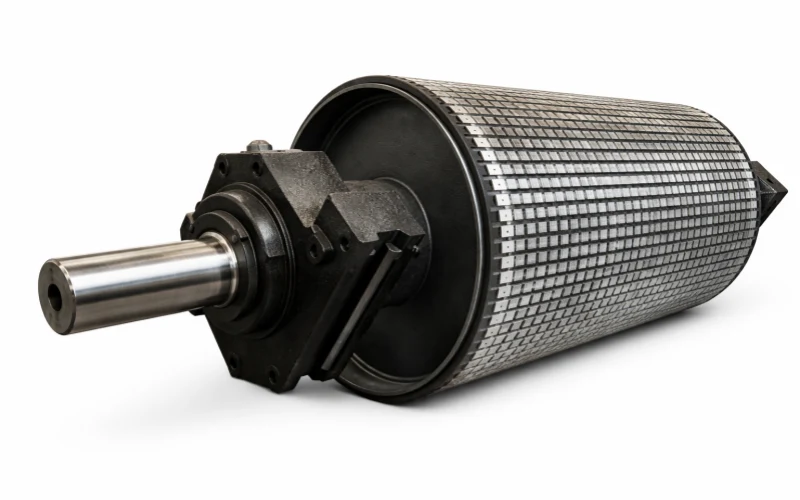
- High friction performance in wet and muddy conditions
- Excellent resistance to abrasion and wear
- Ideal for heavy-duty and high-load conveyors
- Extends service life and reduces maintenance frequency
Conveyor Problems Caused by Inadequate Pulley Lagging
Belt Slippage During Operation
Insufficient friction between the conveyor belt and pulley surface often leads to slippage, especially during startup or under heavy load conditions. This reduces power transmission efficiency, affects material handling stability, and may result in increased belt wear and tracking issues over time.
Rapid Wear of Pulley Surface
Continuous exposure to abrasive materials and harsh operating conditions can cause significant wear on unprotected pulley surfaces. Over time, this leads to uneven surfaces, reduced performance, and increased maintenance frequency, ultimately raising operational costs and shortening the service life of conveyor components.
Reduced Performance in Wet Conditions
Moisture, mud, or material buildup on the pulley surface can significantly reduce friction and compromise conveyor performance. In such conditions, the risk of belt slippage increases, making it difficult to maintain stable operation and reducing overall system efficiency in demanding environments.
Increased Downtime and Maintenance
Frequent slippage and excessive wear often lead to unplanned shutdowns and maintenance interruptions. These issues not only affect production efficiency but also increase labor and replacement costs, creating long-term operational challenges for facilities that rely on continuous material handling systems.
How IDLERON Pulley Lagging Improves Conveyor Performance

Increase Friction and Prevent Slippage
Pulley lagging increases the contact friction between the conveyor belt and pulley surface, ensuring stable power transmission. This helps prevent belt slippage during startup and heavy load conditions, allowing the conveyor system to operate more efficiently and reliably.
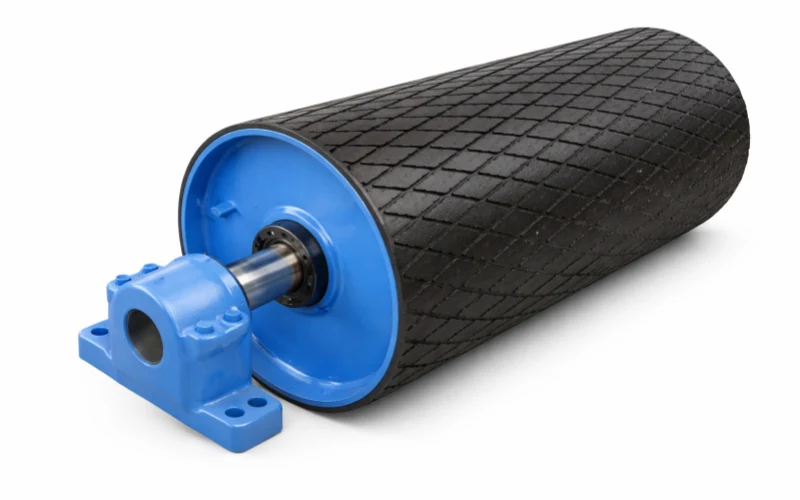
Protect Conveyor Pulley Surface from Wear
By acting as a protective layer, lagging reduces direct contact between the belt and the pulley shell. This minimizes surface wear caused by continuous operation and abrasive materials, helping extend the service life of pulleys and reduce maintenance frequency.
Match Different Operating Conditions
Different lagging materials are designed for specific working environments. Rubber lagging performs well in standard conditions, while ceramic lagging provides higher grip and wear resistance in wet or high-abrasion applications where performance demands are more critical.
Choosing the Right Pulley Lagging for Your Application
Selecting the right pulley lagging depends on operating conditions, material abrasiveness, moisture level, and maintenance expectations. The guide below helps you quickly identify whether rubber pulley lagging or ceramic pulley lagging is the better solution.

Rubber Pulley Lagging
Designed for conveyors operating in stable environments, rubber lagging provides sufficient friction and reliable performance for most applications. It is a cost-effective solution where moisture and abrasion are not extreme, making it suitable for general material handling systems.
- Stable dry or slightly wet environments
- General material handling systems
- Balanced performance and cost efficiency

Ceramic Pulley Lagging
When conveyors operate in wet, muddy, or highly abrasive environments, ceramic lagging offers superior grip and durability. It significantly reduces slippage and extends service life, especially in systems where downtime can result in high operational losses.
- Wet, muddy, or contaminated environments
- High abrasion and heavy-duty conveyors
- Reduced slippage and longer service life
Key Factors That Affect Your Selection
Operating Environment
Wet or contaminated conditions reduce friction between the belt and pulley. Ceramic pulley lagging is better suited to these environments, while rubber pulley lagging performs well in dry and stable operating conditions.
Material Abrasiveness
Abrasive materials accelerate surface wear. For handling sharp or heavy materials, more durable lagging solutions are required to maintain long-term performance.
Load and Conveyor Stress
High load and tension increase the demand for traction and wear resistance. More demanding systems require lagging that can maintain performance under continuous stress.
Maintenance Expectations
If reducing maintenance frequency and avoiding unplanned shutdowns is a priority, selecting a more durable lagging type becomes critical for long-term operational efficiency.
Final Recommendation
Choose Rubber Pulley Lagging When
- Operating conditions are stable and predictable
- Budget efficiency is an important consideration
- Wear and slippage risks are moderate

Choose Ceramic Pulley Lagging When
- Slippage frequently occurs during operation
- Materials are abrasive or conditions are wet
- Longer service life and lower downtime are critical
Why Choose IDLERON Pulley Lagging
Consistent Product Quality
All pulley lagging products are manufactured under strict quality control to ensure stable performance in real working conditions. Each batch maintains consistent material properties, helping customers avoid unexpected failures and performance variation in long-term operation.
Designed for Real Conveyor Conditions
Our lagging solutions are developed based on practical conveyor system requirements, focusing on friction performance, wear resistance, and durability. This ensures reliable operation across different working environments rather than just theoretical specifications.
Flexible Customization Options
Pulley lagging can be customized according to pulley diameter, width, and operating conditions. Different rubber compounds, thicknesses, and surface patterns are available to match specific application requirements.
Reliable Supply for Industrial Projects
With stable production capacity and experience in supplying conveyor components, we support both ongoing maintenance needs and bulk project requirements, ensuring consistent delivery and long-term cooperation.
Frequently Asked Questions
-- Pulley Lagging
Surface patterns influence water dispersion, contact area, and friction stability. Grooved or patterned surfaces help channel water and contaminants away from the contact zone, improving grip in slightly wet conditions. Smooth surfaces provide more contact area but may be less effective when material buildup or moisture is present.
Rubber hardness directly affects both wear resistance and flexibility. Softer compounds provide better conformity to the belt surface, improving contact and friction, while harder compounds offer increased resistance to abrasion and deformation. Selecting the right balance is important for maintaining both traction and service life.
Premature failure is often caused by mismatched material selection, excessive load, or environmental factors such as moisture and contamination. Inadequate bonding or improper operating conditions can also accelerate wear or lead to surface damage. Identifying the root cause is essential to avoid repeated failure.
Effective lagging improves power transmission by maintaining stable friction between the belt and pulley. This reduces energy loss caused by slippage and helps ensure consistent belt movement. Over time, improved efficiency contributes to more stable operation and lower overall system stress.
Service life depends on operating conditions, including material abrasiveness, load, environmental exposure, and maintenance practices. Monitoring wear patterns and performance changes can help determine replacement intervals and ensure that lagging continues to perform effectively throughout its lifecycle.
Get the Right Pulley Lagging for Your Conveyor System
Tell us your operating conditions, and we will help you determine the most suitable pulley lagging for your system.