Port Conveyor Applications
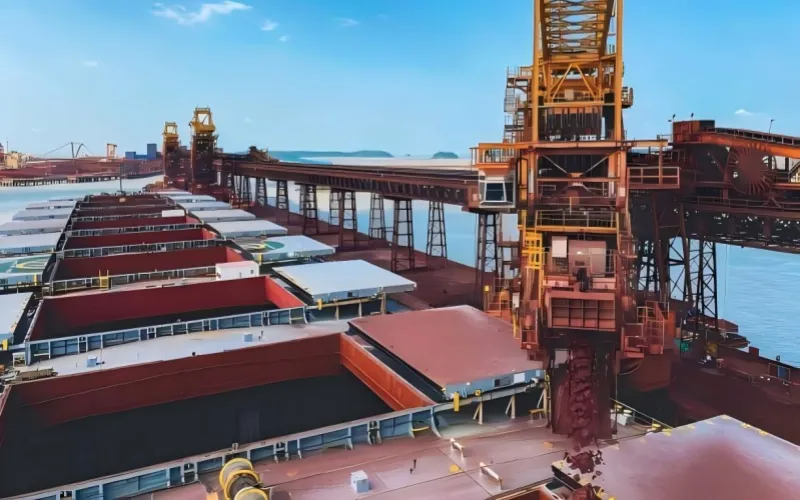
Port conveying systems handle bulk materials such as coal, iron ore, grain, and bulk cargo, often in high-throughput and outdoor environments.
Typical on-site situations include:
- Continuous loading and unloading of large volumes of bulk material
- Exposure to rain, sea moisture, and salt air, affecting equipment surfaces
- Wet or mixed materials sticking to the belt, causing carryback and buildup
- Long-distance conveying with variable loading conditions from ships or stockyards
Key Components in Port
Conveyor Idlers
Support the belt when conveying coal, iron ore, or bulk cargo, where continuous heavy loading and uneven distribution from ship unloading can affect belt stability; in coastal environments, moisture and salt exposure can gradually impact sealing and bearing performance.
- Sealed idlers are recommended for coastal and high-moisture conditions
- Corrosion-resistant designs are important for long-term outdoor operation
Conveyor Pulleys
Drive the belt when transporting large volumes of bulk materials, where long conveying distances and high throughput create continuous load and tension variation; in port operations, unstable pulleys can affect system efficiency during loading and unloading cycles.
- Stable structure is important for long-distance conveying systems
- Surface protection is recommended in marine environments
Pulley Lagging
Maintains traction when handling wet coal, iron ore, or bulk cargo, where rain and moisture reduce friction between the belt and pulley; without lagging, this can lead to belt slippage under high load conditions.
- Strongly recommended in outdoor port environments
- Especially important during rainy or high-humidity conditions
Impact Bed
Absorbs impact where bulk materials such as ore or coal are dropped onto the belt, especially during ship unloading or transfer between conveyors; large material flow and drop height can create localized belt stress or damage.
- Recommended at ship unloaders and transfer points
- Necessary where large material volume and drop height exist
Belt Cleaners
Remove residual material when handling wet coal, ore fines, or mixed bulk cargo, which tend to adhere to the belt surface during transport; if not cleaned, carryback can lead to material buildup along return sections and structural areas.
- Recommended in coal and ore conveying systems
- Multi-stage cleaning is useful for wet or mixed materials
Selection Notes
- Coal (often wet) → focus on cleaning and anti-slip performance
- Iron ore (heavy + abrasive) → prioritize structural strength and idler durability
- Marine environment (salt air + humidity) → corrosion resistance becomes critical
- High throughput systems → stability and continuous operation are key