Return Rollers for Belt Conveyor Systems
Engineered for Reliable Performance in Mining, Cement, Ports, and Bulk Material Handling Industries — Delivering Durable, Precision-Engineered Conveyor Components with Long Service Life.
- Reduce Belt Wear and Improve Conveyor Efficiency
- Advanced Sealing System to Prevent Dust and Water Ingress
- Smooth Rotation with Low Friction Precision Bearings
- Custom Sizes, Materials, and Configurations Available
Choose the Right Return Roller for Your Conveyor System
Select the appropriate return roller type based on your conveyor structure, material characteristics, and operating conditions to ensure optimal performance and longer service life.

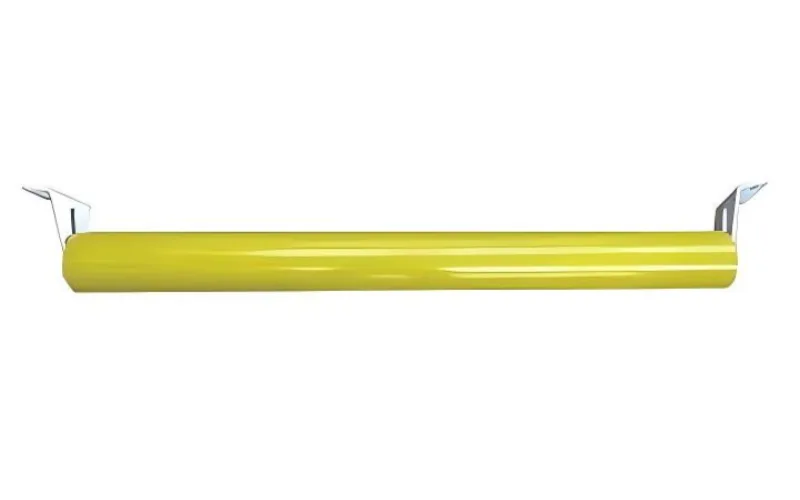
Flat Return Rollers
Flat return rollers are the most commonly used type for supporting the return side of the conveyor belt. They provide stable operation and are suitable for standard conveying conditions across mining, cement, and bulk material handling industries.
- Standard solution for most conveyor systems
- Smooth belt support and stable operation
- Available in a wide range of diameters and lengths

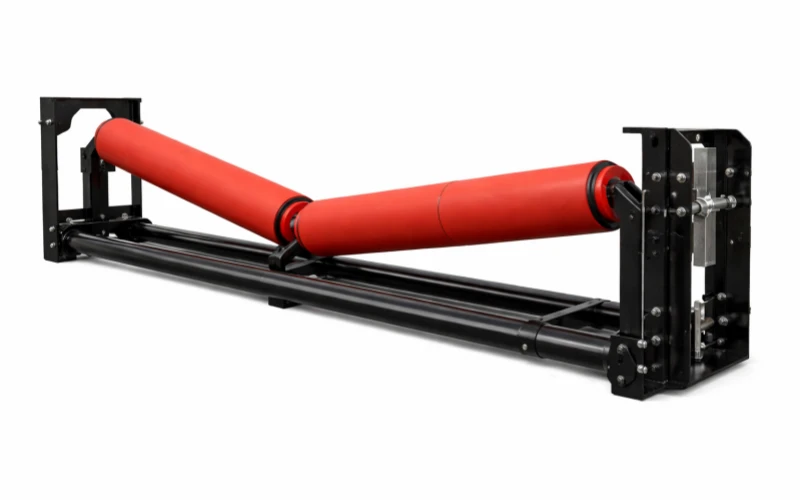
V-Return Idlers
V-return idlers are designed to guide and align the return belt, preventing belt misalignment and reducing edge damage. They are ideal for long-distance conveyors and systems requiring improved belt tracking.
- Improve belt alignment and stability
- Reduce belt edge wear and damage
- Suitable for long conveyor systems

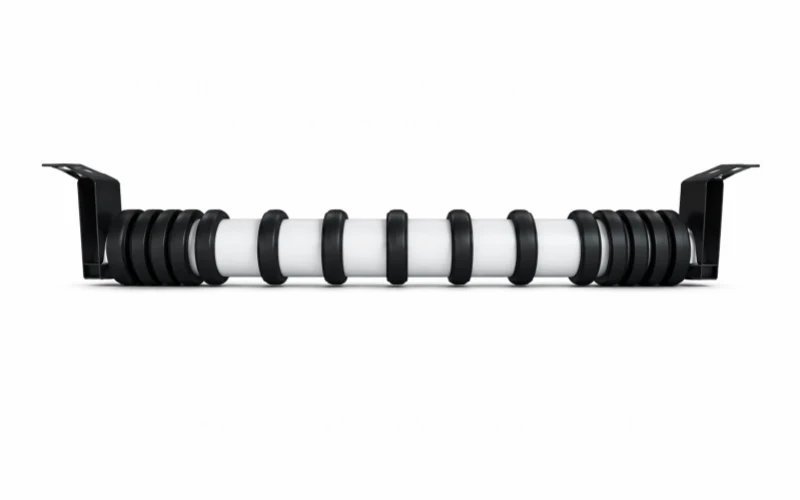
Rubber Disc Return Idlers
Rubber disc return idlers are designed for handling sticky or wet materials. The rubber discs effectively prevent material buildup on the roller surface, reducing maintenance and improving conveyor performance.
- Anti-stick design for sticky materials
- Reduce material buildup and cleaning frequency
- Extend service life in harsh environments

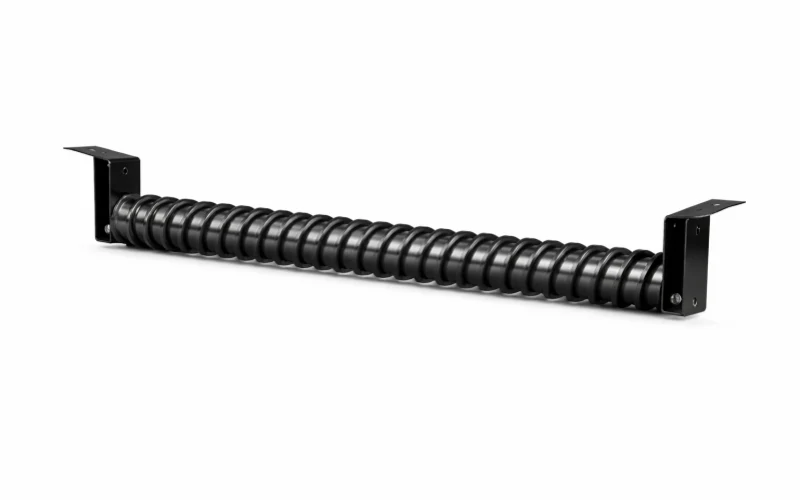
Spiral Return Idlers
Spiral return idlers feature a self-cleaning spiral structure that continuously removes carryback material from the belt, making them ideal for wet, muddy, or highly abrasive materials.
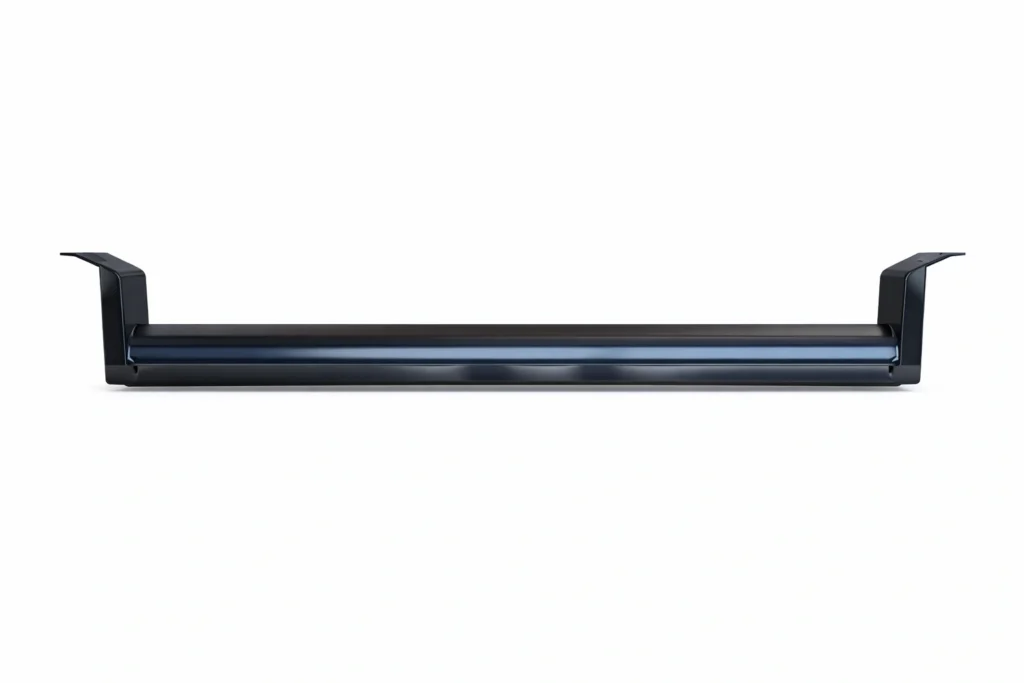
- Self-cleaning spiral design
- Reduce carryback and maintenance cost
- Improve conveyor efficiency and reliability
What Are Return Rollers in a Conveyor System?
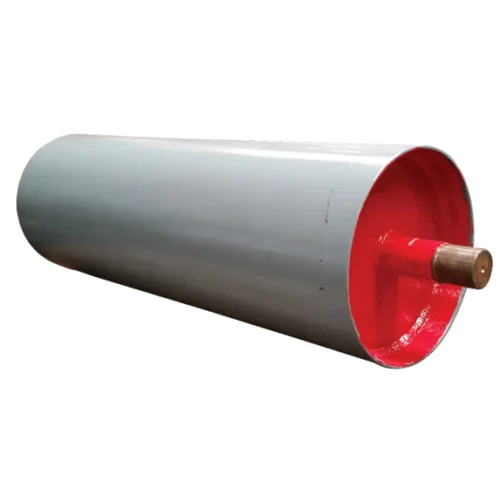
Return rollers are installed on the return side of a belt conveyor to support the empty belt and maintain stable tracking during operation. Although they do not carry material, they play an important role in reducing belt wear, minimizing resistance, and ensuring smooth conveyor performance.
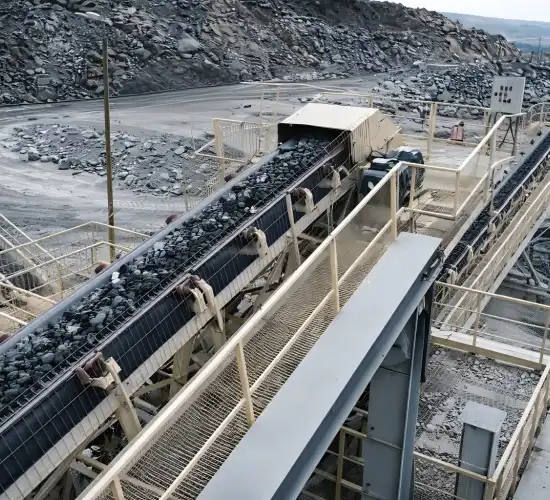
They are widely used in mining, cement, ports, and bulk material handling systems, where continuous operation and low maintenance are critical.

Reduce Conveyor Problems Caused by Poor Return Rollers
Common Issues in Conveyor Systems
- Frequent roller failure and seizure
- Belt misalignment and edge damage
- Material buildup on the return side
- High maintenance frequency and downtime
How IDLERON Solve These Problems
- Advanced sealing system prevents dust and water ingress
- Precision bearings ensure smooth rotation and low resistance
- Optimized designs reduce material buildup and carryback
- Heavy-duty construction extends service life in harsh conditions
Technical Specifications of Return Rollers
Standard Specifications
| Parameter | Specification |
|---|---|
| Roller Diameter | 89 mm / 108 mm / 133 mm / 159 mm |
| Roller Length | 400 mm – 2400 mm (customized based on belt width) |
| Shaft Diameter | 20 mm / 25 mm / 30 mm |
| Bearing Type | 6204 / 6205 / 6305 |
| Tube Material | Carbon Steel / HDPE |
| Surface Treatment | Painting / Galvanized / Rubber Disc |
Design & Construction Options
| Component | Options |
|---|---|
| Sealing System | Labyrinth Seal / Multi-stage Sealing |
| Bearing Housing | Pressed Steel / Cast Iron |
| Shaft Type | Spring Loaded / Flat End |
| Balance Control | Static Balancing Available |
Application Range
| Item | Details |
|---|---|
| Suitable Belt Width | ≥ 300 mm |
| Working Environment | Dusty / Wet / Heavy-Duty Conditions |
| Installation Position | Return side of belt conveyor |
Roller Length Design Principle
Roller length is determined based on belt width with additional clearance on both sides to ensure stable belt tracking and prevent edge wear.
For example, a 300 mm belt typically requires a roller length of approximately 400 mm, allowing about 50 mm clearance on each side.
Customization
- Roller length and diameter customized according to belt width
- Shaft and bearing configuration adjustable
- Rubber disc and spiral designs available for specific materials
- OEM branding and packaging supported
Why IDLERON Return Rollers Perform Better in Real Applications
Sealing Structure for Harsh Environments
Multi-stage sealing systems are used to prevent dust and water ingress, reducing bearing failure in mining and cement conditions. This design helps maintain stable performance even in environments with high moisture and fine particles.
Bearing Selection Based on Load Requests
Bearings are selected according to roller diameter and working load to ensure stable rotation and longer service life. Proper matching reduces the risk of premature failure under continuous heavy-duty operation.
Tube Quality and Concentricity Control
Strict control of tube roundness and welding accuracy reduces vibration and ensures smooth operation. This is especially important for long-distance conveyors where imbalance can lead to system instability.
Shaft Strength and Fit Accuracy
Shaft dimensions and tolerances are matched to bearing and housing to avoid deformation and ensure stable assembly. This improves overall structural reliability and reduces maintenance frequency.
Roller Length Designed by Belt Width
Roller length is determined based on belt width with proper side clearance, improving belt tracking and reducing edge wear. This approach ensures better alignment compared to fixed-size rollers.
Adaptation to Different Material Conditions
Options such as rubber disc and spiral return rollers are available to handle sticky, wet, or abrasive materials. This allows the system to operate more efficiently with reduced material buildup.
IDLERON Return Roller Structure and Key Components
Return rollers consist of several key components, each contributing to overall performance, durability, and maintenance requirements. IDLERON designs and optimizes these components to ensure reliable operation in demanding industrial environments.

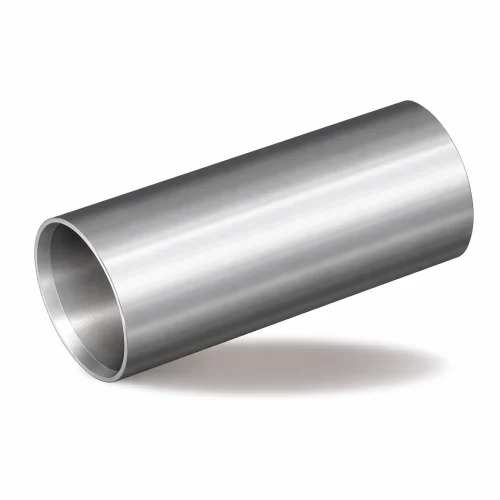
Tube (Roller Shell)
The tube forms the main body of the roller and supports the conveyor belt during operation. Its thickness and roundness directly influence load capacity and rotation stability. IDLERON uses controlled tube processing to maintain concentricity and reduce vibration.

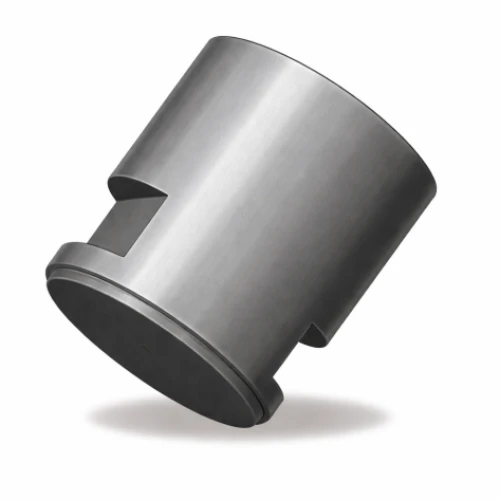
Shaft
The shaft connects the roller to the conveyor frame and carries operational loads. Proper shaft diameter and material strength are essential to prevent deformation. IDLERON ensures precise machining and fit to improve stability and long-term performance.

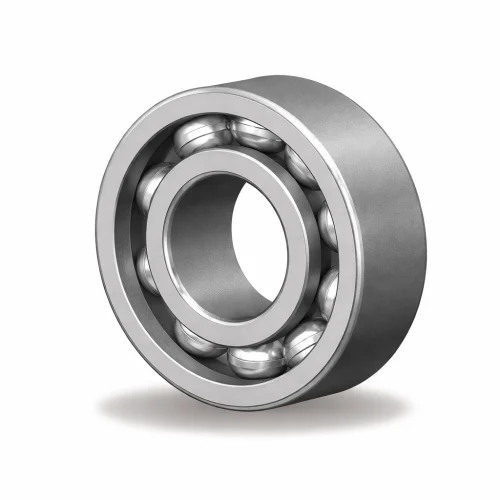
Bearings
Bearings control the rotation of the roller and directly affect operating resistance. Selecting the correct bearing type based on load and speed helps maintain smooth movement. IDLERON matches bearing specifications to working conditions to reduce failure risk.

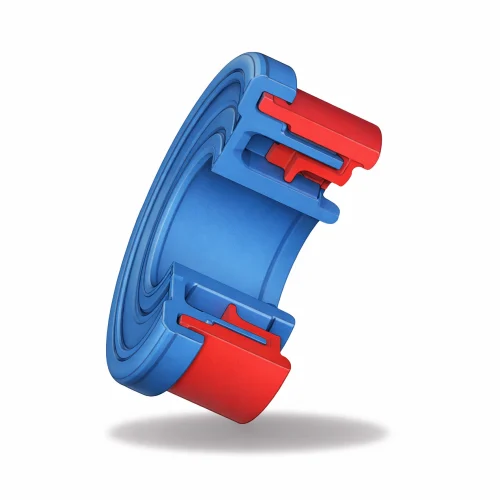
Sealing System
The sealing system protects internal components from dust, water, and contaminants. Multi-stage sealing structures are used to extend bearing life in harsh environments. IDLERON sealing designs focus on minimizing ingress and reducing maintenance frequency.

Bearing Housing
The bearing housing supports and positions the bearing inside the roller assembly. Precision manufacturing ensures alignment and stable operation. IDLERON controls housing accuracy to improve load distribution and reduce wear.
Where IDLERON Return Rollers Improve Conveyor Performance

Heavy-Duty and High-Load Conveying
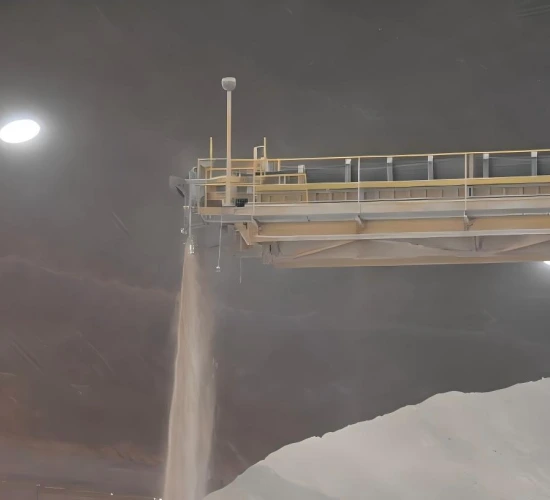
Dust-Intensive Environments
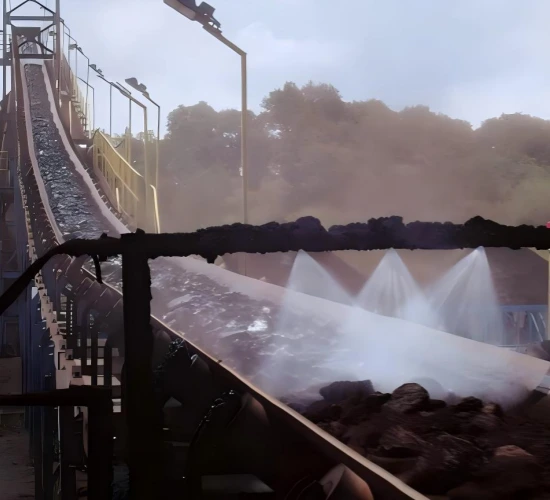
Wet and Muddy Material Handling
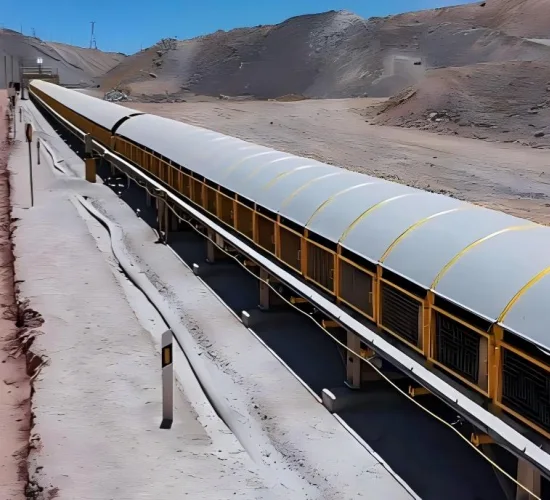
Long-Distance Conveyor Systems
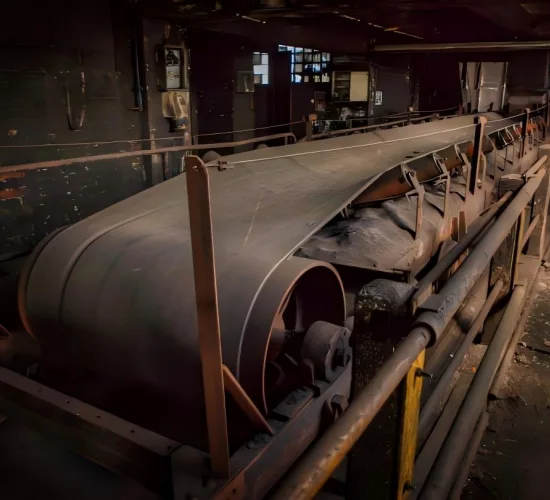
High-Maintenance or Failure-Prone Systems
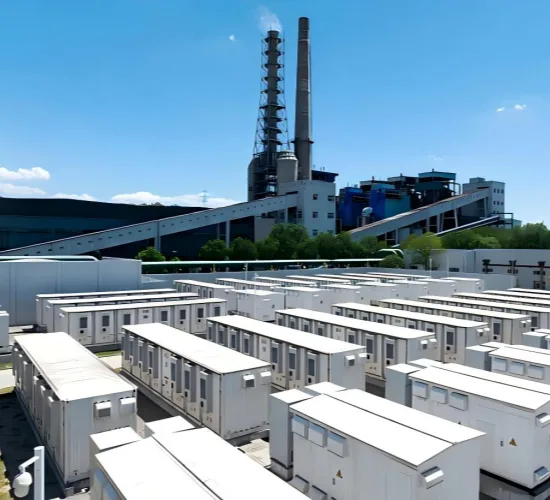
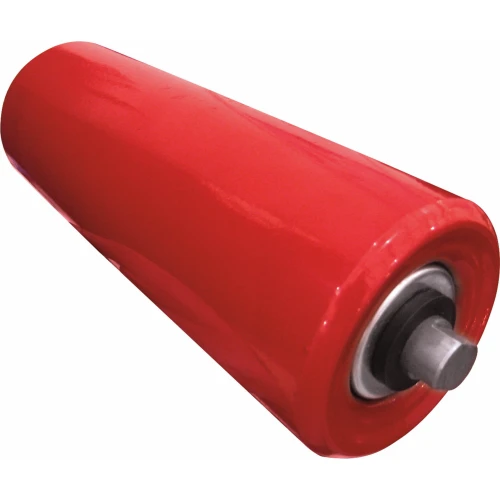
Continuous Operation in Critical Production Lines
Frequently Asked Questions
--Return Rollers
Roller concentricity directly impacts vibration, belt tracking, and bearing load distribution. Poor concentricity causes uneven rotation, leading to increased rolling resistance and localized belt wear. Over time, this can accelerate bearing fatigue and reduce system efficiency. Maintaining precise tube roundness and alignment helps ensure smooth operation, especially in long-distance or high-speed conveyor systems where small deviations can accumulate into larger performance issues.
In dusty or wet environments, even high-quality bearings will fail quickly if contaminants penetrate the sealing system. The primary function of sealing is to isolate the bearing from external conditions. A well-designed multi-stage sealing structure significantly extends bearing life by preventing ingress. In many applications, sealing performance has a greater impact on service life than the bearing brand itself.
Roller diameter affects load capacity, rotational speed, and resistance. Smaller diameters may reduce initial cost but can increase rotational speed and wear under heavy loads. Larger diameters provide better load distribution and longer service life but may increase weight and cost. Proper selection depends on belt width, material load, and operating speed to balance durability and efficiency.
If roller length is too short relative to belt width, insufficient side clearance can cause the belt to rub against the roller edges or frame. This leads to edge damage and tracking instability. Properly designed roller length, with adequate clearance on both sides, allows the belt to self-align during operation and reduces the risk of long-term belt wear.
Carryback material can accumulate on the return side of the belt and adhere to the roller surface, increasing resistance and causing imbalance. This can lead to vibration and uneven rotation. Specialized designs such as rubber disc or spiral return rollers help reduce buildup by disrupting material adhesion and promoting self-cleaning during operation.
Maintenance frequency depends on environmental factors such as dust, moisture, and material abrasiveness. In harsh conditions, inadequate sealing or improper roller selection can lead to frequent failures and replacements. Optimizing sealing systems, bearing configuration, and roller type based on actual working conditions can significantly extend maintenance intervals and reduce downtime.
At higher belt speeds, even small imbalances in the roller can generate vibration, noise, and additional stress on bearings and the conveyor structure. This not only affects system stability but also accelerates component wear. Ensuring proper balancing during manufacturing helps maintain smooth rotation and reduces long-term mechanical stress.
Get the Right Return Rollers for Your Conveyor System
Proper return roller selection reduces maintenance, improves belt tracking, and extends service life. IDLERON provides application-based solutions designed for real working conditions.