Return Belt Cleaners Manufacturer in China

IDLERON Return Belt Cleaners are Designed to remove material build-up on the non-carrying side of conveyor belts, helping prevent debris from entering the tail pulley and reducing belt misalignment.

Types of Primary Conveyor Belt Scrapers

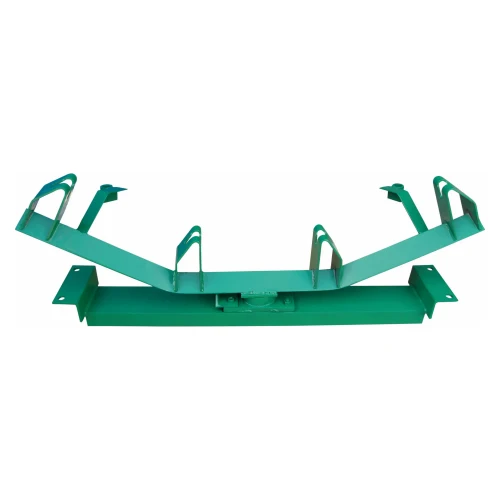
v type return belt cleaner product pic

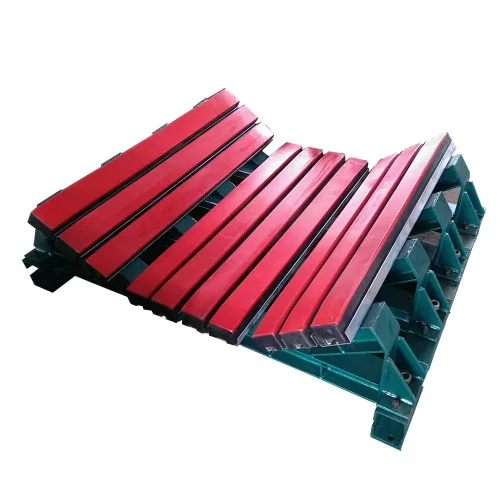
V-Type Return Belt Cleaner

The V-Type return belt cleaner is installed on the return side of the conveyor belt to remove material build-up from the non-carrying surface. Its V-shaped structure helps direct material away from the center of the belt, supporting more stable belt tracking during operation.

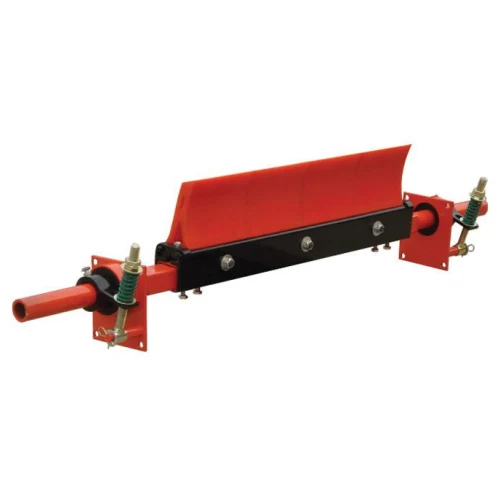
straight type return belt cleaner product

Straight-Type Return Belt Cleaner

The straight-type return belt cleaner is designed to clean material accumulation on the non-carrying side of the conveyor belt. With a simple straight blade structure, it provides consistent cleaning performance across the belt width and is suitable for general conveying conditions.

V-Type Return Belt Cleaner

Why Cleaning the Non-Carrying Side Matters

Material build-up on the non-carrying side of conveyor belts is a common issue in bulk material handling systems. During operation, materials can fall onto the return belt due to spillage at transfer points, carryback from incomplete cleaning, or adhesion of sticky and wet materials, gradually accumulating along the belt surface.

As the belt moves toward the tail pulley, this accumulated material may be carried into the pulley area, affecting belt tracking and increasing the risk of misalignment and component wear. Over time, even small amounts of build-up can lead to unstable operation and higher maintenance requirements.

How Return Belt Cleaners Work

Return belt cleaners are installed on the return side of the conveyor, typically positioned before the tail pulley. They maintain continuous contact with the belt surface as it moves through the return cycle.

As the belt passes over the cleaner, the blade physically intercepts material on the belt surface and discharges it off the belt path. The V-type design directs material toward both sides of the belt, while the straight-type design removes material evenly across the full belt width.

v type return belt cleaner

Material Conditions on the Return Side of Conveyor Belts

Materials handled in conveyor systems behave differently once they reach the return side of the belt. After discharge, not all materials are completely removed from the belt surface, and additional material may fall or adhere to the belt during conveying.

The way materials accumulate on the non-carrying side depends on factors such as moisture, particle size, and adhesion properties. These characteristics determine how materials remain on the belt surface, move along the return path, and interact with conveyor components.

Sticky and Adhesive Materials

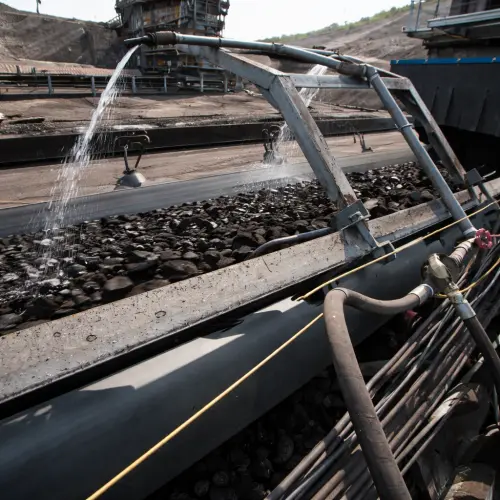
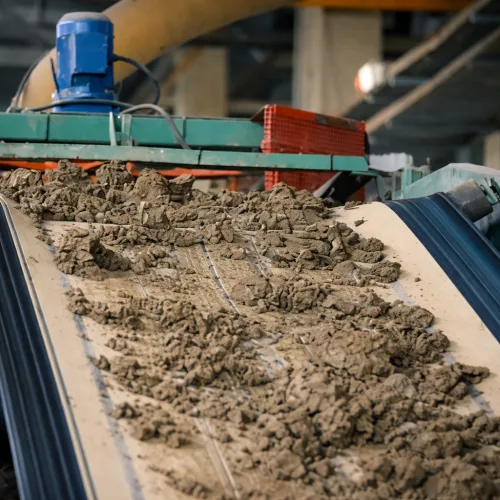
Materials with high adhesion tend to stick to the belt surface and remain attached during the return cycle. In many operations involving wet coal, clay, or bauxite, this type of material gradually builds up along the non-carrying side as the belt continues to run.

clay application

Wet or Moist Materials

Moist materials can easily attach to the belt and resist natural shedding during operation, resulting in persistent material presence on the return side. This is commonly observed in systems handling washed sand, sludge, or other damp aggregates.

powder conveyor belt

Fine and Powdered Materials

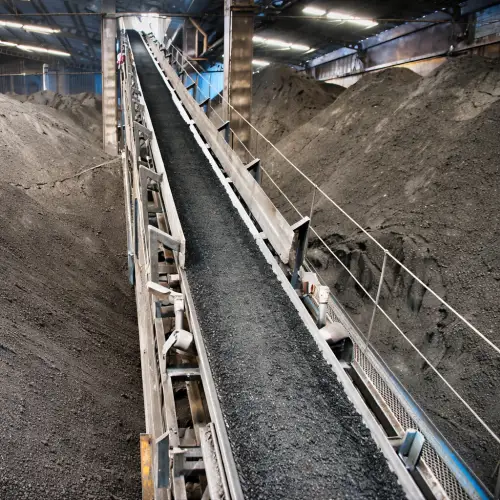
Fine particles are more likely to fall onto the return belt during transfer and can gradually form a layer of material along the belt surface over time. This is often seen when conveying materials such as cement, fly ash, or mineral fines.

crushed stone

Coarse or Bulk Materials with Spillage


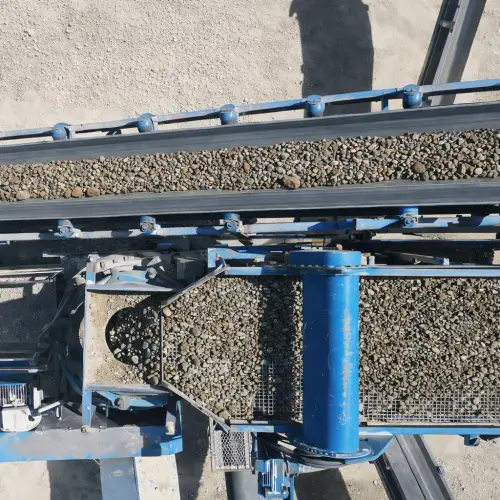
Larger materials or bulk loads may fall onto the return side due to spillage at loading or transfer points, creating localized accumulation along the belt path. This typically occurs in applications handling crushed stone, ore, or gravel.

Key Benefits of Using Return Belt Cleaners

Prevents material from being carried into the tail pulley area, where trapped debris can interfere with pulley rotation, disturb belt movement, and create unstable running conditions. This helps reduce the likelihood of tracking problems while supporting smoother, cleaner, and more controlled conveyor operation over time.

Keeps the non-carrying side of the belt cleaner by continuously removing material build-up during the return cycle. By limiting accumulation along the belt surface, it helps reduce the chance of carryback-related interference, supports more stable belt travel, and improves overall operating consistency across the return section.

Reduces uneven loading on return rollers and pulleys caused by accumulated material on the belt surface. By minimizing this additional stress, it helps lower the risk of premature component wear, improves running stability, and supports longer service life for critical conveyor parts exposed to repeated loading.

Limits material drop along the return section, where falling debris often creates extra cleaning work and poor housekeeping conditions. By controlling this accumulation earlier in the return cycle, it helps reduce manual cleaning frequency, improve maintenance efficiency, and keep surrounding conveyor areas more manageable during daily operation.

Helps keep the conveyor structure cleaner by reducing the amount of material that can collect around frames, supports, and nearby components. This lowers the chance of persistent build-up in hard-to-clean areas, improves general equipment cleanliness, and reduces maintenance attention required along the return side.

Supports more stable and predictable conveyor performance by minimizing the impact of material accumulation on belt movement throughout the return path. With less debris affecting the belt surface, the system can operate with greater consistency, reduced disturbance, and improved reliability during extended continuous conveying conditions.

V-Type vs Straight-Type Return Belt Cleaners

V-Type Return Belt Cleaner

--Best for Maintaining Belt Alignment
V type return belt cleaner structure diagram

Straight-Type Return Belt Cleaner

--Best for General Cleaning Applications
Straight-Type Return Belt Cleaner

Frequently Asked Questions
-- Primary Conveyor Belt Scrapers

The choice depends on how material accumulates on the non-carrying side and how it influences belt behavior during the return cycle. If material tends to concentrate unevenly or shift toward the center, a V-type design helps guide it away and maintain stability. In systems where material is more evenly distributed and does not significantly affect belt movement, a straight-type cleaner is typically sufficient.

Material accumulation on the non-carrying side is mainly affected by spillage during loading, carryback from incomplete discharge, and the physical properties of the material itself. Materials with higher moisture or adhesion are more likely to remain attached, while fine particles can settle gradually. The amount and distribution of this material determine how it behaves along the return path.

Material that has fallen or accumulated on the non-carrying side will travel with the belt toward the tail pulley. When this material enters the pulley area, it can become trapped between the belt and pulley surface during belt reversal. This interaction can affect belt movement and introduce instability, especially when material builds up continuously over time.

Cleaning performance can be affected when material continuously falls onto the return side or when it is unevenly distributed across the belt surface. In such cases, the cleaner removes most of the material in contact, but new material may keep accumulating along the return path. The behavior of the material, especially in wet or adhesive conditions, also influences how effectively it can be removed.

When material accumulates unevenly on the non-carrying side, it creates inconsistent loading conditions along the return section. As the belt moves over rollers and approaches the tail pulley, this uneven distribution can influence belt movement and stability. Over time, these effects may lead to less predictable operation, especially in systems with continuous material accumulation.

Get the Right Return Belt Cleaner for Your Conveyor System

Tell us your material type and operating conditions, and we will help you choose the most suitable configuration for your application.

Get Quotation Now