
Quality Control

Precision Control Behind Every IDLERON Unit

Quality control at IDLERON is structured around measurable parameters rather than assumptions. From raw material verification to final release inspection, each idler and pulley passes defined checkpoints designed to control dimensional tolerance, rotational behavior, sealing integrity, and structural stability.

Our approach focuses on reducing operational risk before shipment—minimizing vibration, preventing premature bearing failure, improving installation consistency, and supporting predictable long-term performance under real conveying conditions.

Every shipment is linked to internal inspection logic and documented release criteria, ensuring that performance expectations are supported by traceable production and verification records.

  • 100% Rotation Inspection Before Packing

  • Runout Verification to Support Stable Belt Tracking

  • Sealing Performance Check to Reduce Premature Bearing Failure

  • Batch-Level Release Control for Consistent Deliveries

  • Documented QC Records to Support Technical Review

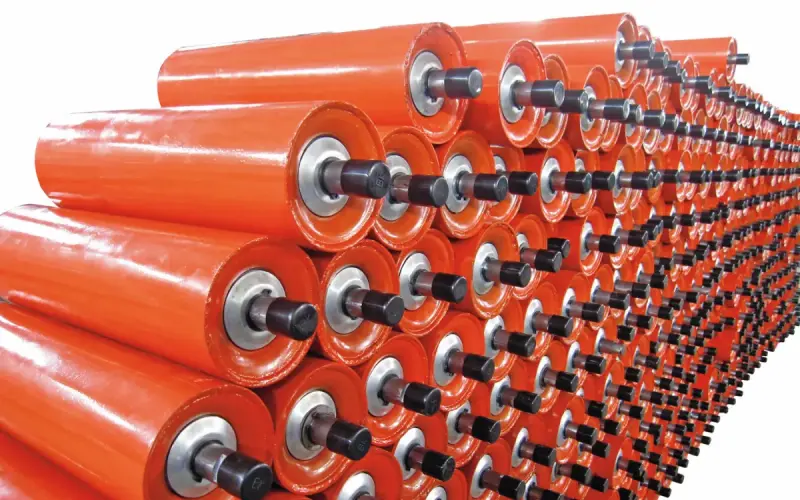
conveyor idlers Product capacity

Quality Control Flow You Can Audit

When idlers or pulleys fail, the reason is usually not “bad luck”. It’s vibration, runout, sealing issues, imbalance, or unstable welding. Our QC flow is designed to block those risks before anything goes into a container.

Idler Quality Controls That Prevent Field Failures

Idlers look simple. In real operation, tiny errors create expensive downtime. This section focuses on the checks that directly impact belt tracking, vibration, bearing life, and energy loss.

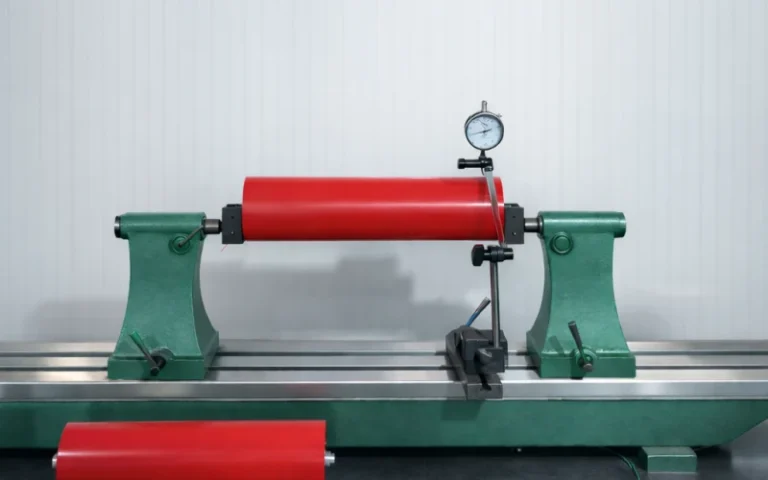
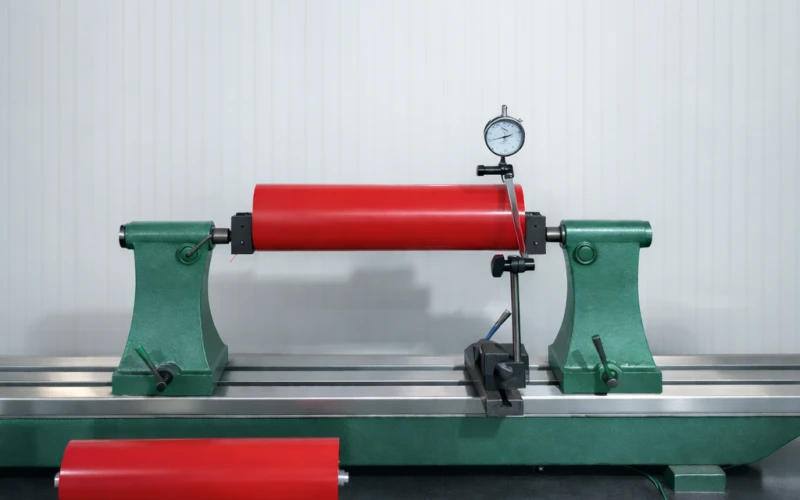
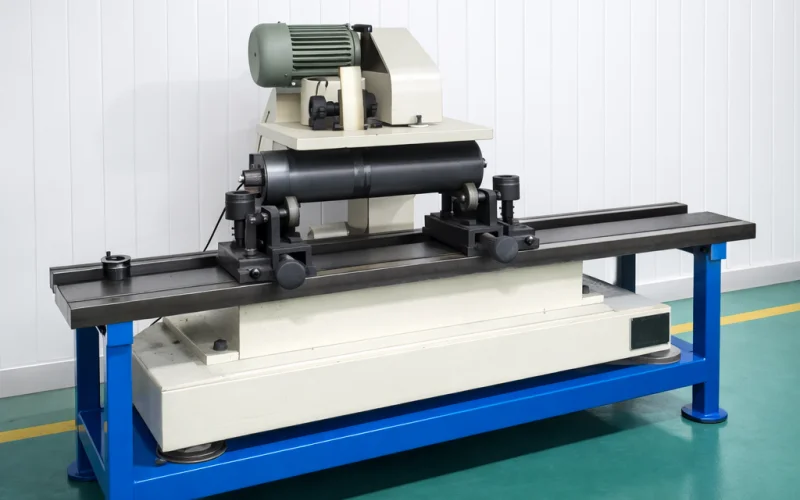
Radial Runout Verification

Excess runout leads to vibration, belt mistracking, and premature bearing wear. We verify runout before packing to ensure stable rotation and smoother conveyor performance.
Rotation Resistance Test

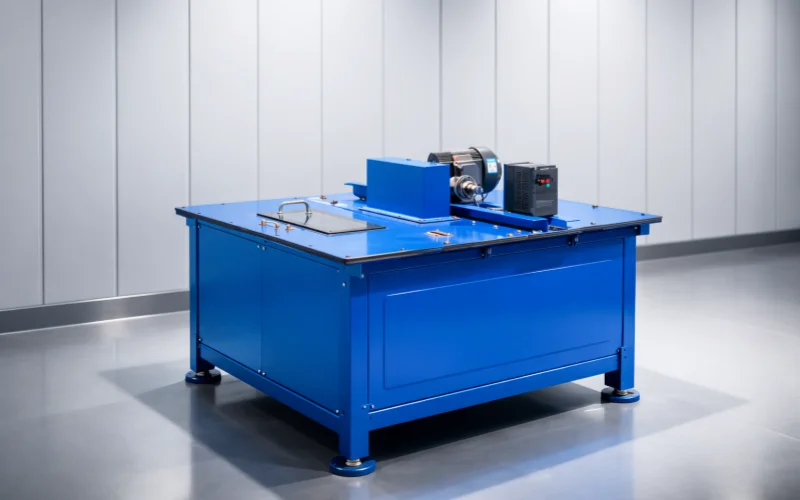
Rotation Resistance Test

High rotation resistance increases energy consumption and stresses the drive system. We test rotation behavior to confirm smooth bearing performance and stable assembly quality.
Dustproof Test

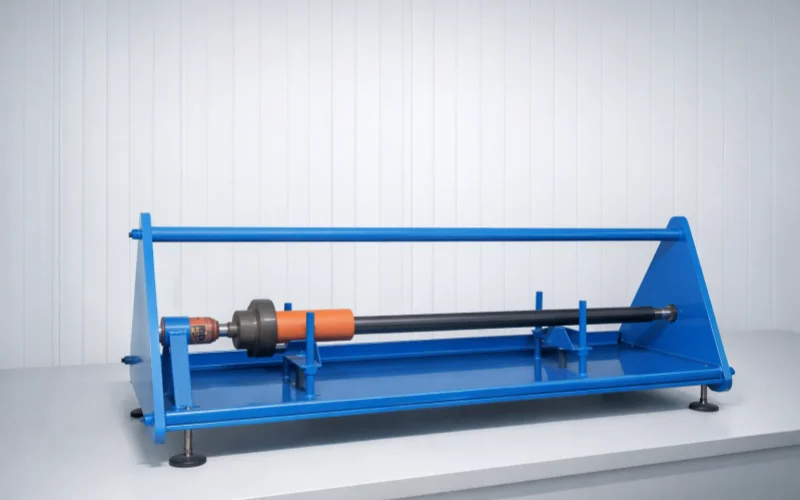
Contamination is a top cause of early idler failure. Our sealing-related checks focus on preventing dust intrusion under harsh site conditions.
Rotation and Runout Testing

Axial Displacement Control

Side-to-side movement can accelerate belt edge wear and create unstable tracking. We control axial displacement to maintain consistent running alignment.
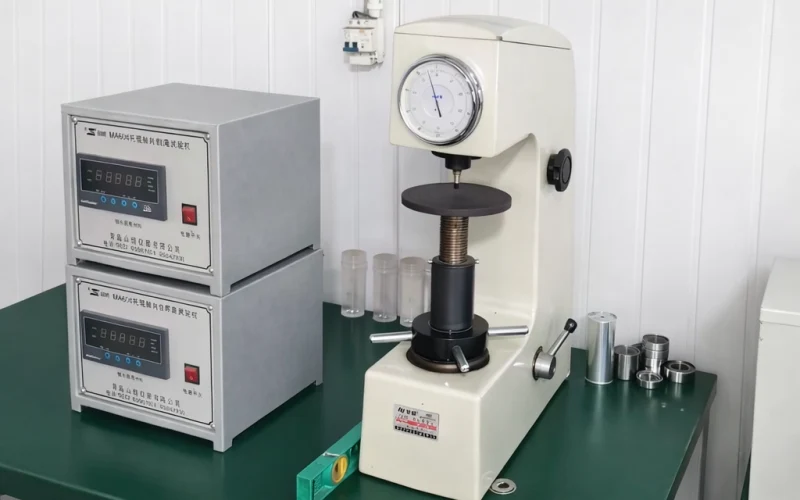
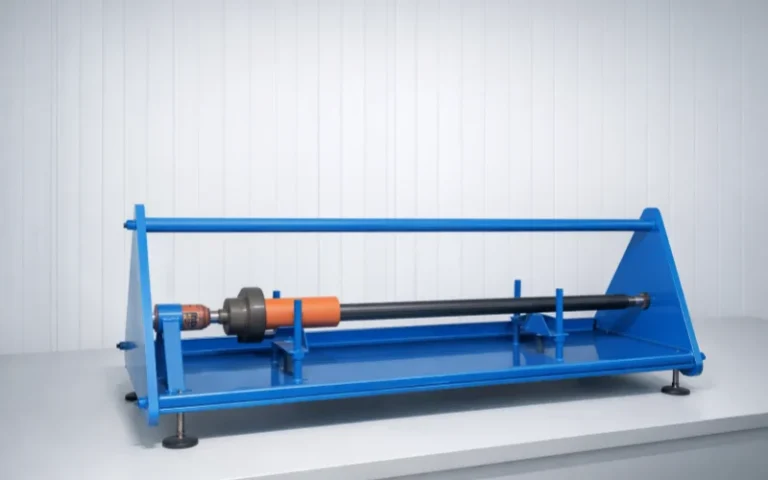
Drop Test and Impact Resistance

Handling and installation impacts happen in real projects. Drop testing helps verify structural robustness before the idlers are delivered to site.
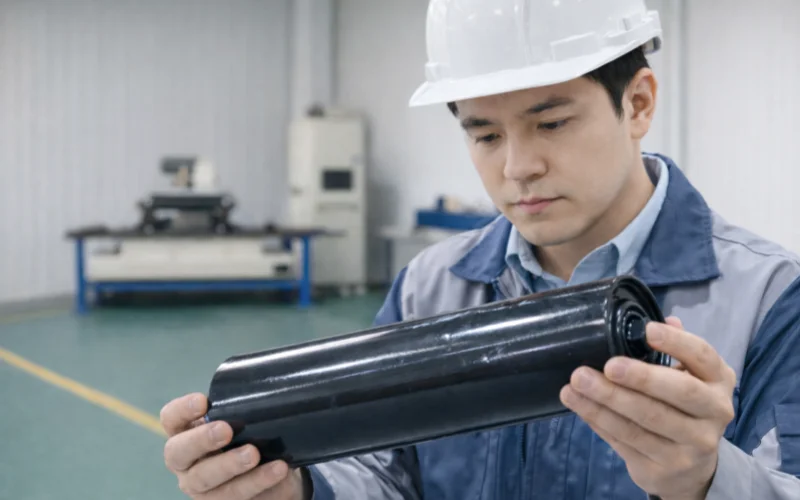
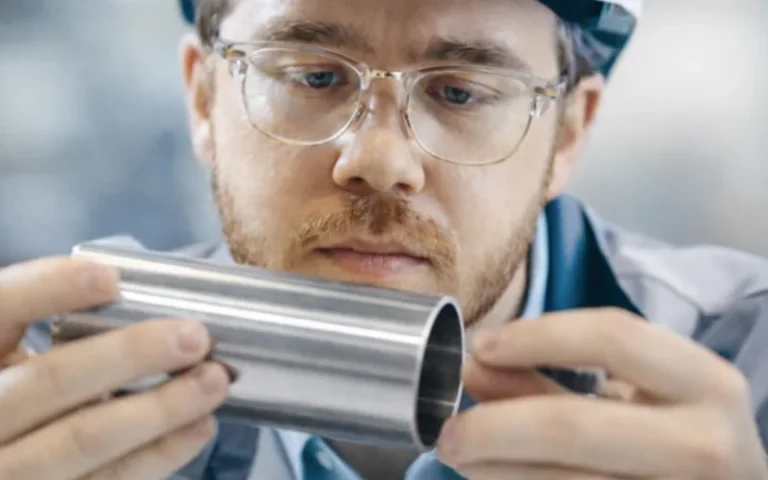
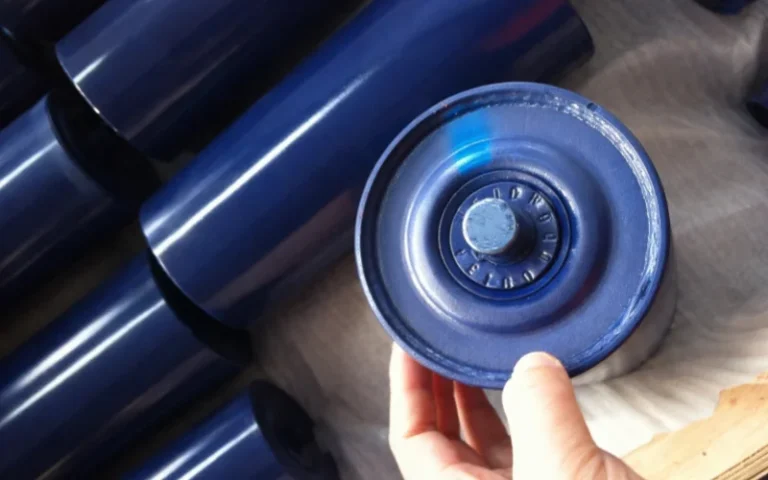
Manual Inspection

Manual Inspection

Machines measure numbers. People spot problems. Our QC team manually checks for surface defects, deformation, and structural abnormalities. Structural issues are rejected and reworked before shipment.

Pulley Quality Control for Stable Running

For pulleys, stability comes from welding consistency, dimensional accuracy, and balance. If any of these is sloppy, vibration becomes inevitable.

Weld Integrity Verification

Welding stability is the foundation of load performance. We verify weld continuity and manufacturing consistency to reduce long-term structural risk.
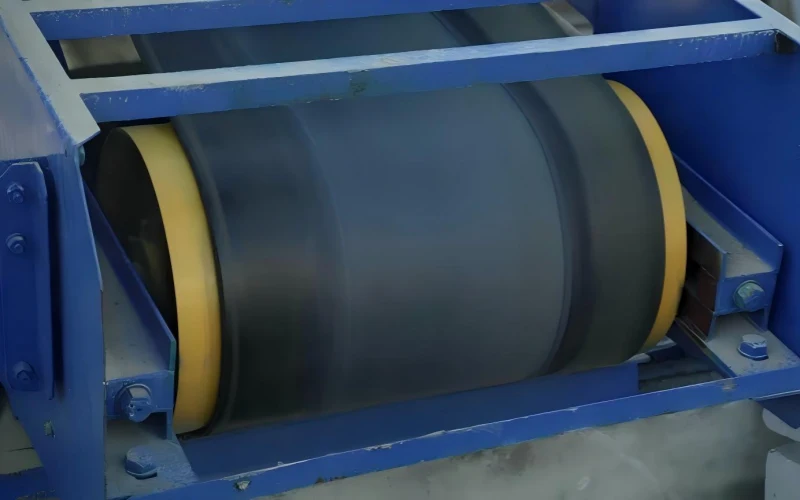
Pulley Dynamic Balancing

Unbalanced pulleys cause vibration, noise, and bearing stress—especially at higher speed. Balancing checks help ensure smoother running and longer service life.
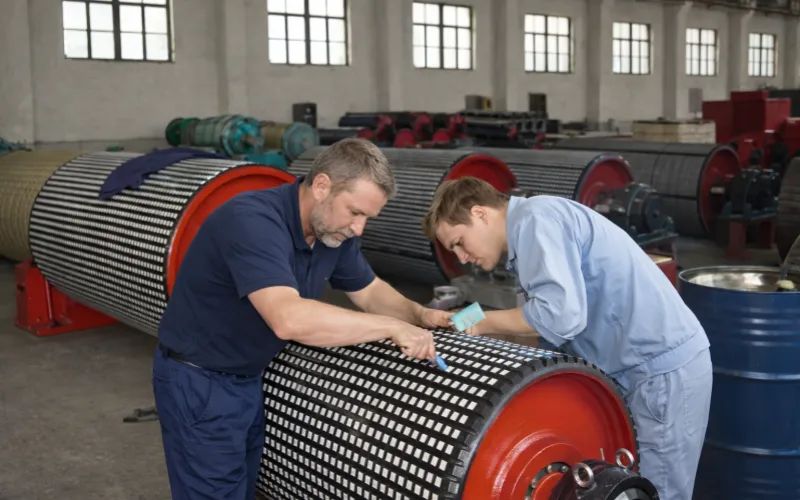
Lagging Adhesion Control

Lagging failure often starts from poor surface preparation or bonding issues. We verify key adhesion-related control points to reduce peeling risk in demanding environments.
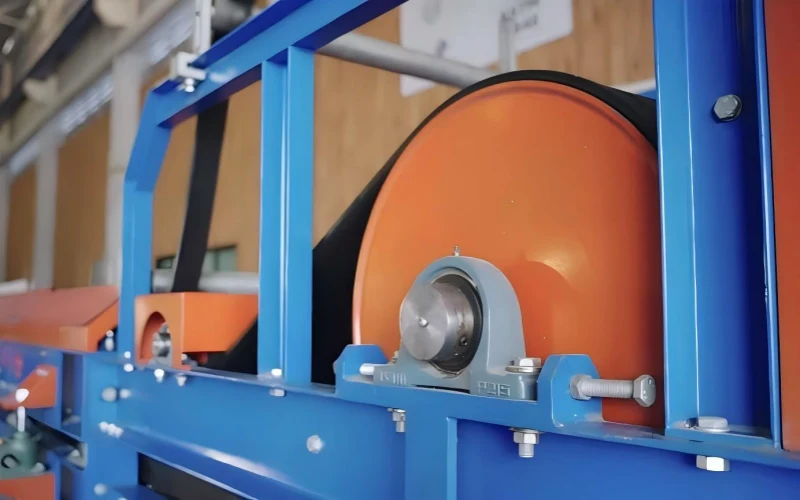
Dimensional Tolerance Checks

Reliable installation starts with predictable dimensions. We control critical sizes to improve fit-up consistency during on-site assembly.
conveyor belt scraper

Scrapers and Structural Quality Controls

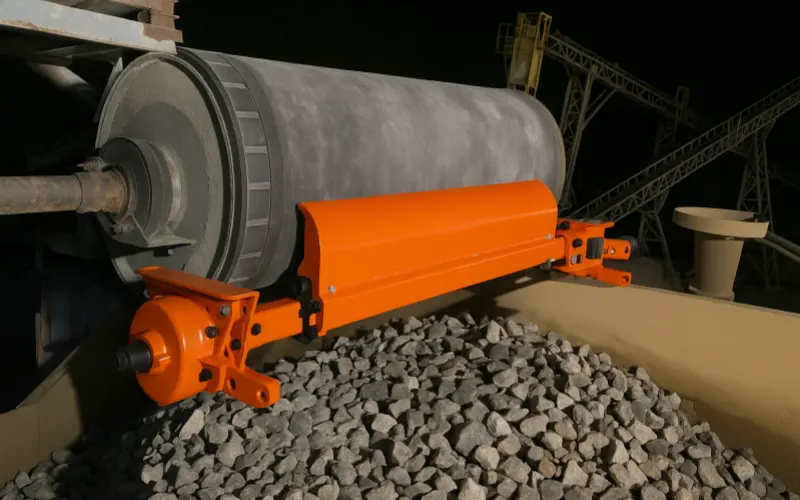
For scrapers and structural items, performance is closely related to geometry and fabrication consistency. Dimensional tolerance, straightness, and welding stability directly influence installation alignment and structural load distribution. Even minor deviations may require on-site adjustment or create uneven contact conditions. Inspection therefore focuses on maintaining defined dimensional criteria and fabrication stability prior to shipment to support predictable installation and reliable operation.

  • Dimensional tolerance and hole alignment checks

  • Welding stability verification for frames and brackets

  • PU blade hardness / edge straightness checks (if applicable)

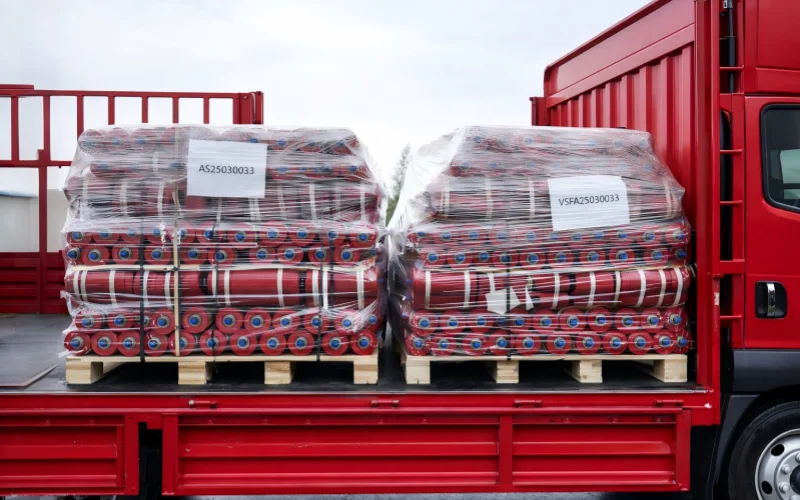
  • Pre-shipment inspection to confirm packing condition

Batch Records and Shipment Release

Each production batch is identified and linked to its corresponding inspection records prior to shipment. Release is based on completion of defined inspection items rather than sample approval alone. This structure supports consistency across deliveries and provides a reference basis if technical review is required after installation.

  • Each shipment is assigned a production batch number linked to the corresponding inspection checkpoints completed prior to release.

  • Products are released only after rotation, runout, appearance, and packing condition have been verified against defined internal inspection criteria.

  • Inspection sheets and related QC records can be provided upon request in accordance with project scope or contractual requirements.

Quality Questions Buyers Ask Most

FAQ 1:Why do idlers seize prematurely?

Most premature seizure cases are linked to seal performance, contamination ingress, assembly misalignment, or abnormal bearing seating. To reduce this risk, QC emphasizes sealing-related checks, assembly fit verification, and rotation verification before packing. In practice, this means units are screened for abnormal rotation behavior and visible assembly deviation prior to release. If a claim occurs, batch-linked inspection records provide the reference basis for technical review.

Vibration is commonly related to excessive radial runout, imbalance, or installation alignment issues that amplify at speed. IDLERON controls this by verifying runout for idlers prior to release and applying balancing-related controls for drums where required. These checks are intended to reduce vibration sources before components reach site. If vibration is reported after installation, batch records and inspection criteria help distinguish product deviation from installation or operating condition factors.

Yes. Shipments are associated with batch identification and release verification. Depending on project scope, we can provide shipment release checklists and relevant inspection sheets that reflect the completed verification items (such as rotation verification, runout checks, appearance, and packing condition). Additional test information can be provided upon request when specified by project or contractual requirements. The specific content of the document pack may vary by product type and order requirements.

We follow a technical review process based on batch identification, inspection records, and defined internal criteria. Typically, the review requires order details, batch reference, and basic evidence from site (photos/videos, operating environment, and installation condition). We compare the reported symptoms with inspection checkpoints and known failure modes to identify probable root cause and propose corrective actions. Outcomes may include technical guidance, re-check suggestions, or replacement handling according to the applicable scope and responsibility determination.

No. Shipment release remains tied to completion of defined QC checkpoints. Delivery speed is managed through production planning and process coordination, while inspection items and release verification are kept intact. Products proceed to packing and shipment only after passing the final inspection and release checklist. If project timing is tight, we recommend aligning required inspection documents and acceptance criteria in advance so the release process remains clear and auditable.

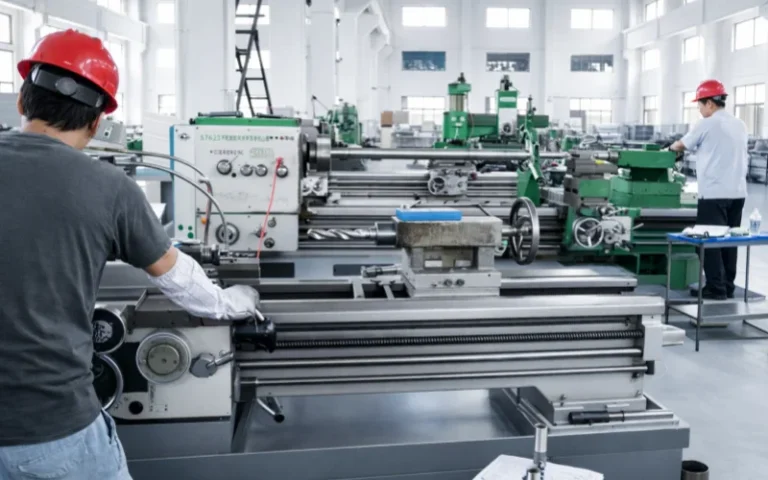
Stable Rotation Starts with Controlled Manufacturing

Send your specs and working conditions. We’ll reply with a quotation and the relevant QC / test information for your project.Share the product type, key dimensions, bearing/sealing requirements, coating preference, and your operating environment (dust, water, speed, load).

Get Quotation Now