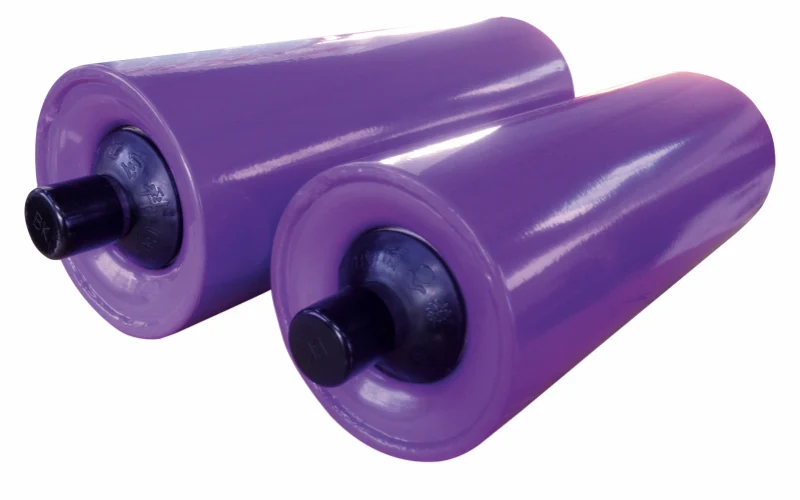
Conveyor Idlers Manufacturer for Mining & Bulk Handling
IDLERON High-performance conveyor idlers including carrying, return, impact, and self-aligning idlers, designed for heavy-duty and long-life operation.Reduce maintenance, prevent belt damage, and ensure stable conveying in harsh environments.
- Full Range of Idler Types
- Heavy-Duty Construction
- Long Service Life
- Advanced Sealing System
- Custom Solutions Available
Conveyor Idler Types
Explore our complete range of conveyor idlers designed for different conveying functions and working conditions. Each type is engineered to address specific challenges in bulk material handling systems.

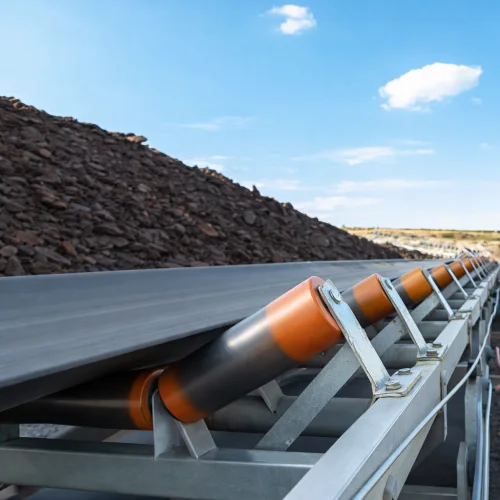
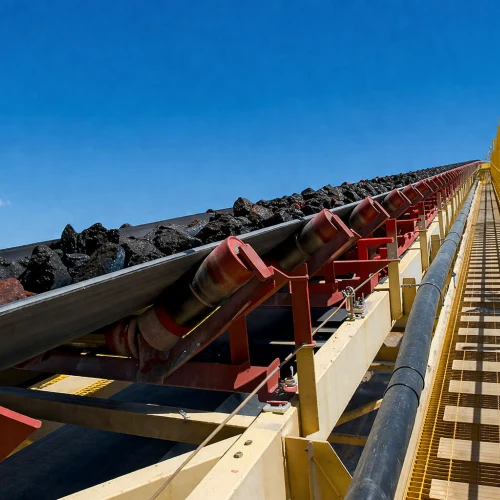
Carrying Idlers/Rollers
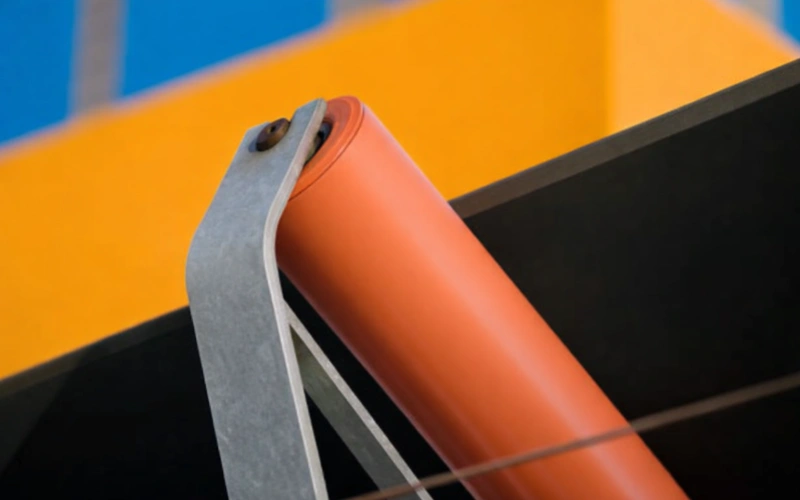
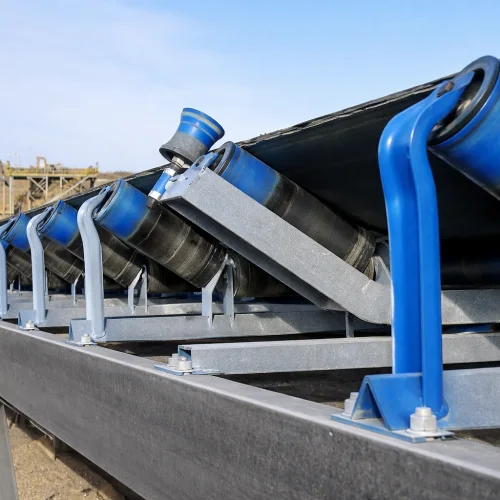
Designed to support and transport bulk materials on the carrying side of the belt, ensuring stable load distribution and smooth operation in heavy-duty applications. Available in multiple trough angles to meet various conveying requirements.
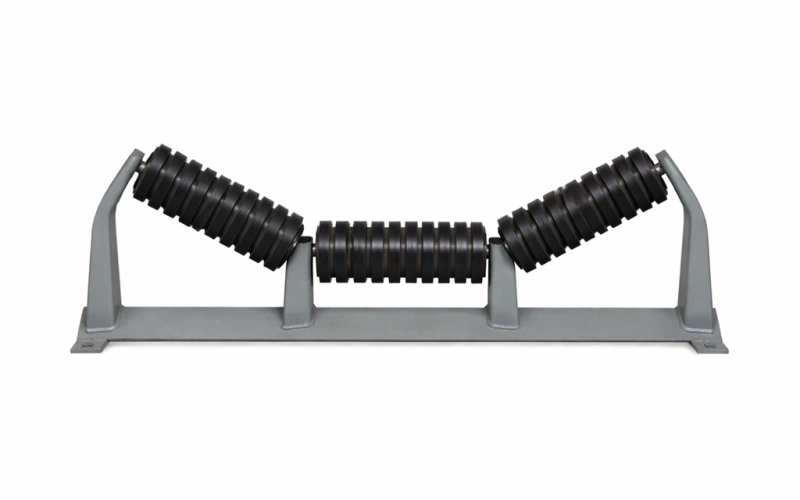
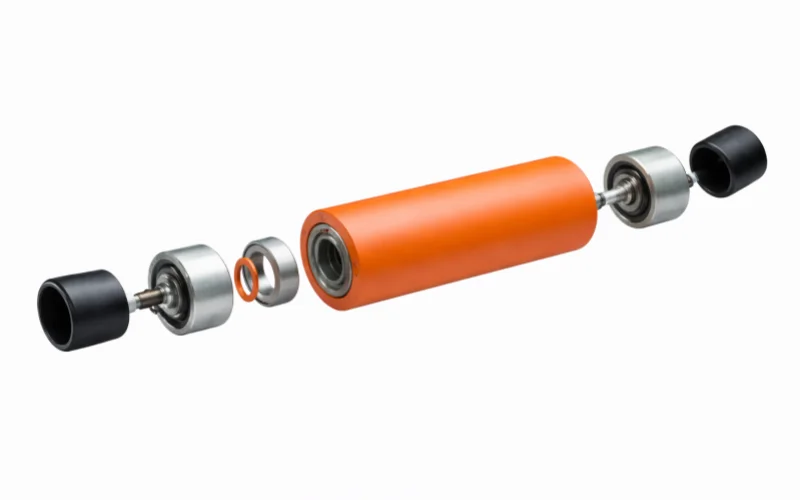
Impact Idlers/Rollers
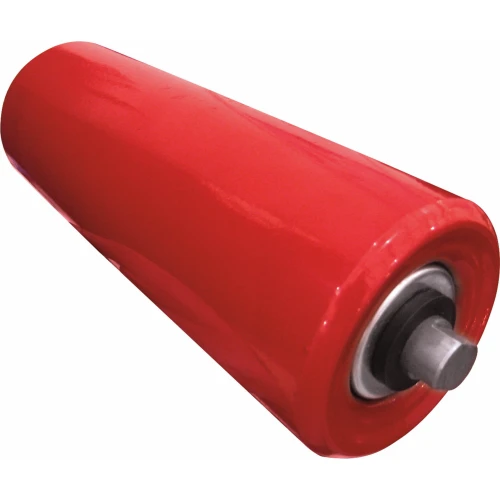
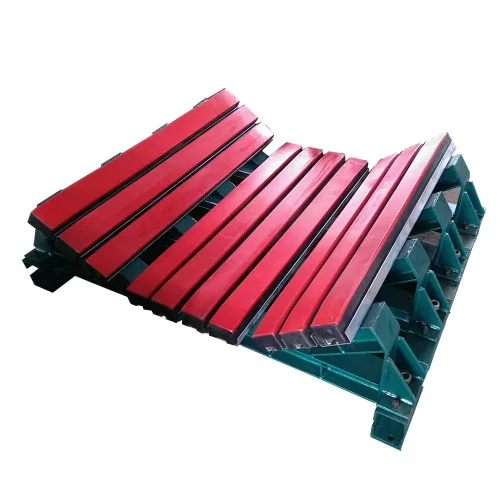
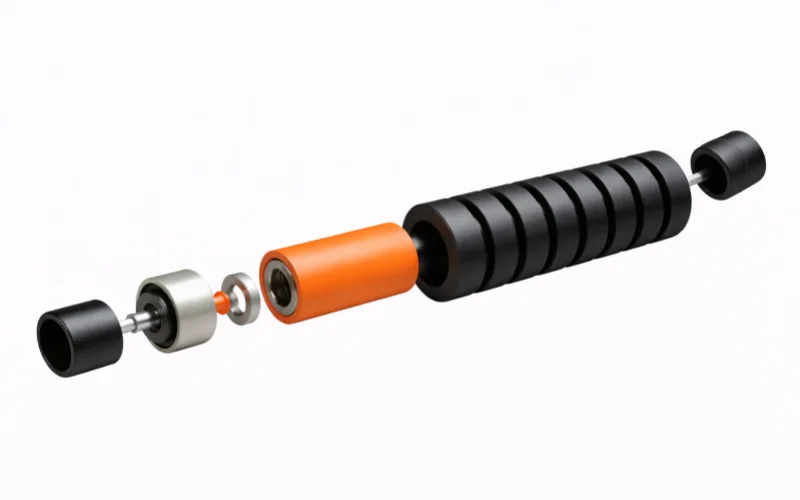
Engineered to absorb shock and protect the conveyor belt at loading points, reducing damage caused by material impact and extending belt service life. Equipped with durable rubber rings for effective impact resistance.
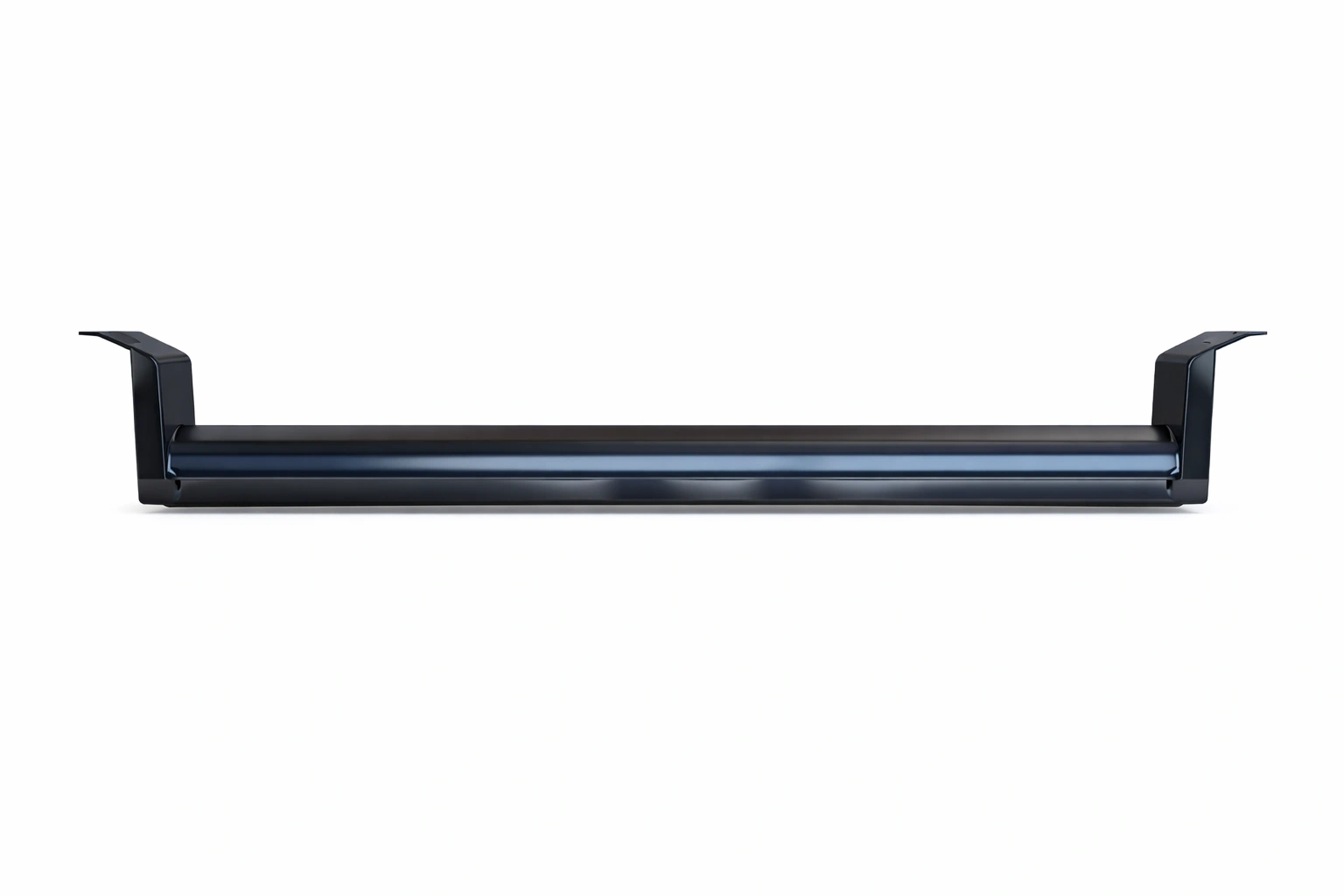
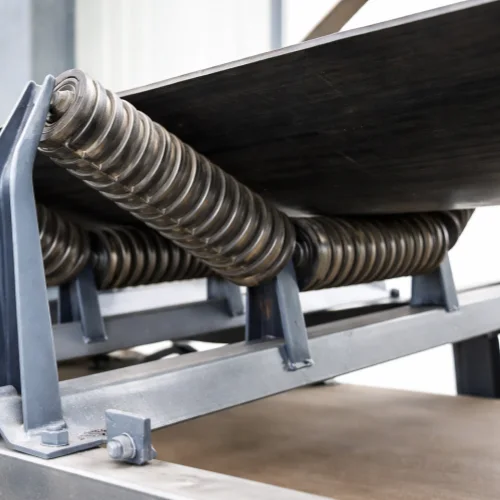
Return Idlers
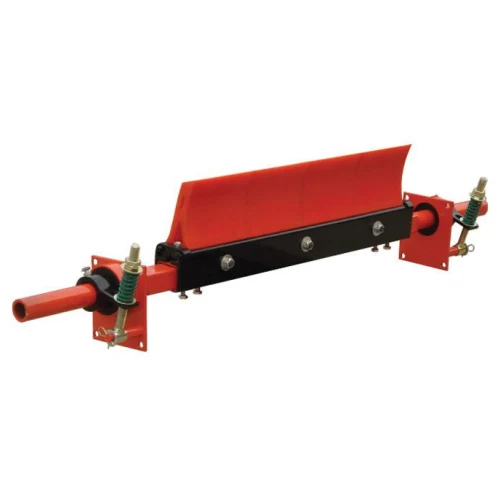
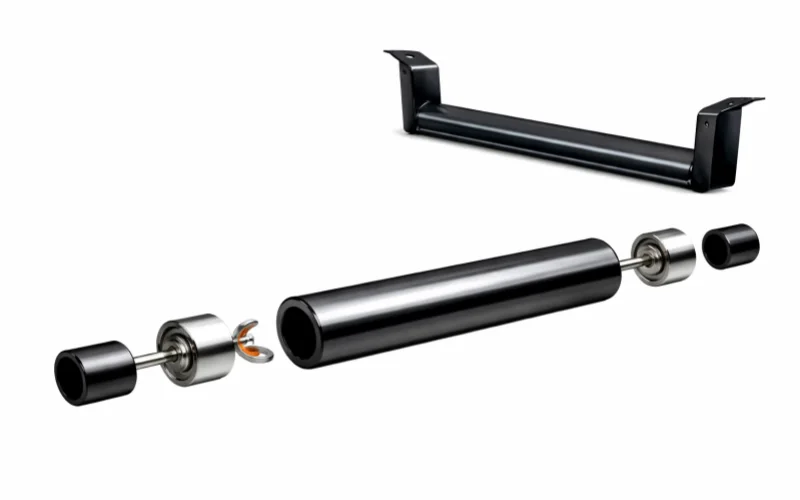
Used on the return side of the belt to provide stable support while minimizing rotational resistance and reducing material build-up. Optional designs help prevent material adhesion in wet or sticky conditions.
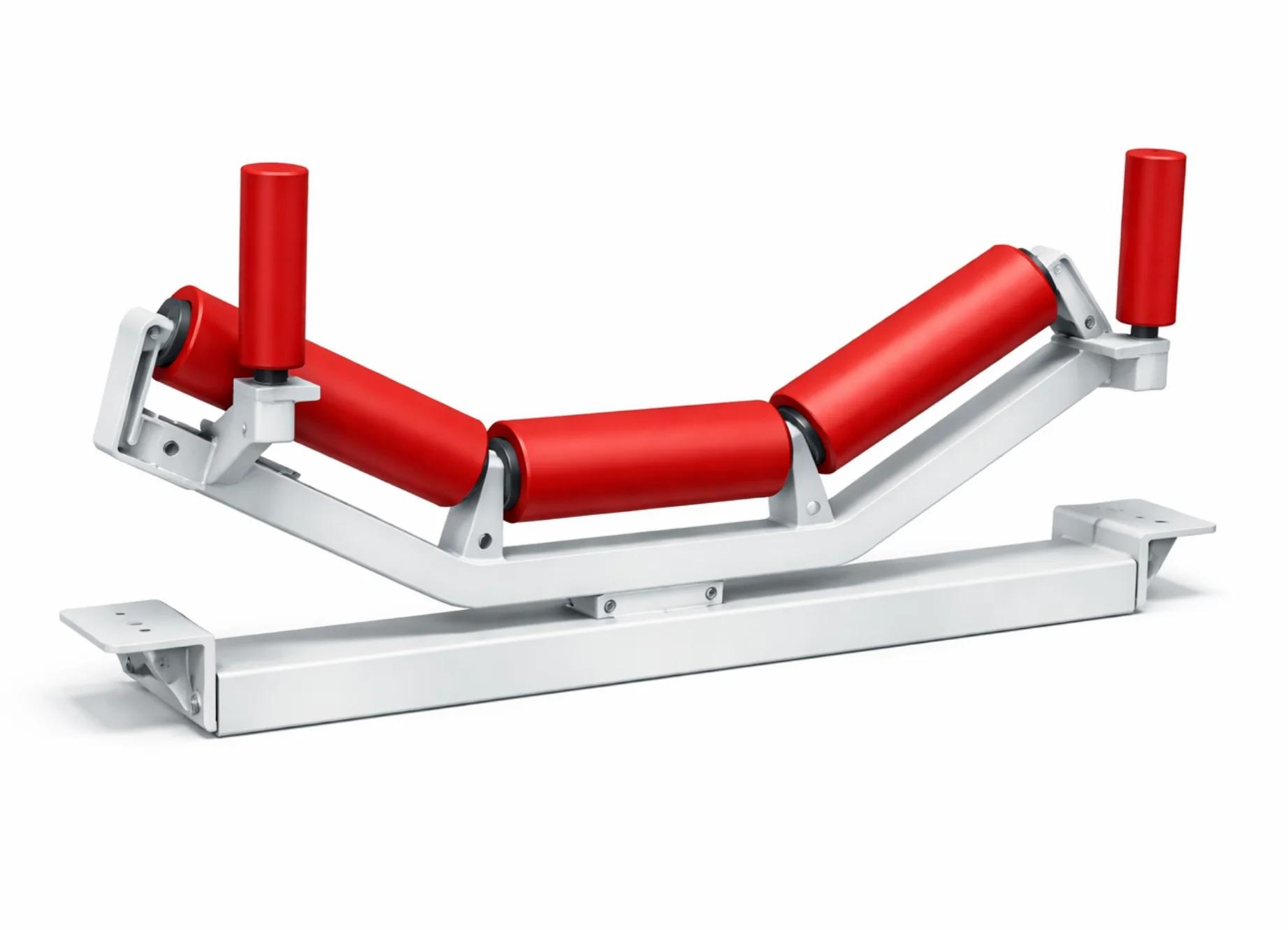
Self-Aligning Idlers
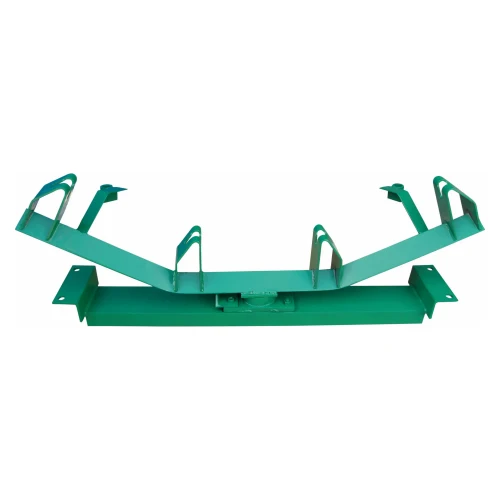
Designed to automatically correct belt misalignment and maintain proper tracking during operation, reducing edge wear and improving system stability. The self-adjusting mechanism ensures reliable alignment in dynamic conditions.
What Are Conveyor Idlers?
Conveyor idlers are fundamental components of a belt conveyor system, forming the support structure that carries the belt and bulk materials during operation. They control belt shape, running resistance, and system stability, directly affecting energy consumption, belt wear, and overall conveying reliability.
At IDLERON, our conveyor idlers are selected for applications where reliability and durability are critical. Different idler types are used to manage specific operating challenges—carrying idlers stabilize load, impact idlers absorb shock, return idlers reduce carryback, and self-aligning idlers correct belt tracking—helping operators reduce downtime, lower maintenance costs, and extend system service life.
Key Idler Functions in Conveyor System Performance
Idlers perform distinct roles across a conveyor system, each controlling a critical operational factor that directly impacts efficiency, maintenance requirements, and long-term equipment reliability.
Load Support and Belt Stability
Maintaining a consistent belt profile under load is essential to ensure even material distribution and prevent localized stress concentration. Inadequate load support can result in belt deformation, material spillage, and accelerated wear, especially in high-capacity conveying systems operating under continuous heavy-duty conditions.
Impact Control at Material Transfer Points
At loading zones, falling materials generate repeated impact forces that can damage the belt surface and internal structure over time. Without effective impact absorption, these shock loads increase the risk of belt failure, shorten service life, and lead to frequent maintenance interruptions.
Resistance and Carryback Management
On the return side, material carryback and excessive rotational resistance can significantly affect system efficiency and energy consumption. Accumulated material build-up not only increases cleaning requirements but also creates additional drag, leading to unstable operation and higher long-term maintenance costs.
Belt Tracking and Alignment Control
Belt misalignment is one of the most common causes of conveyor system failure, leading to edge damage, material spillage, and structural stress. Without proper alignment control, continuous deviation can shorten belt life, increase downtime, and compromise the overall safety and reliability of the system.
Key Factors in Conveyor Idler Selection
Idler selection follows functional position first, then specification based on operating conditions.

Selection Based on Conveyor Position and Function
Idler type is determined by its location within the conveyor system. Carrying idlers are used on the loaded side, impact idlers at loading zones, return idlers on the return side, and self-aligning idlers where belt tracking correction is required to maintain stable and controlled operation.

Selection Based on Belt Width and Load Requirement
After the idler type is defined, belt width and load determine roller diameter, shaft size, and bearing capacity. Wider belts and heavier loads require stronger configurations to maintain structural stability, prevent deformation, and ensure consistent performance under continuous heavy-duty operating conditions.

Selection Based on Impact Severity at Loading Zones
At loading points, material drop height and size determine the required impact resistance. Higher impact conditions require thicker rubber rings, reinforced shafts, and stronger bearing support to absorb shock energy effectively, reduce belt damage, and maintain structural integrity during repeated loading cycles.

Selection Based on Operating Environment and Maintenance Conditions
Environmental factors such as dust, moisture, and temperature influence sealing requirements and maintenance frequency. In harsh conditions, enhanced sealing systems and suitable materials should be selected to prevent contamination, maintain smooth rotation, and ensure long-term reliability with reduced maintenance requirements.
Structural Design Differences of Conveyor Idlers
Different idler types are not only defined by function, but also by how their structures are designed to handle specific mechanical challenges in real operating conditions.

Structural Design for Carrying Idlers
Most standard carrying idlers use fixed roller arrangements with limited adjustment, which can lead to uneven load distribution under varying material conditions. IDLERON adopts optimized frame configurations and precise roller alignment control to maintain consistent load distribution, reducing localized stress and improving long-term structural stability in heavy-duty conveying systems.
Structural Design for Impact Idlers
Conventional impact idlers typically use segmented rubber rings, which may create uneven force distribution and reduced structural integrity under repeated impact. IDLERON offers both segmented and full-length rubber sleeve designs, allowing better energy absorption and improved structural continuity, effectively reducing belt damage and extending service life in high-impact loading zones.
Structural Design for Return Idlers
Standard return idlers often rely on smooth rollers, which can lead to material build-up and increased maintenance in sticky or wet conditions. IDLERON applies optimized surface structures such as rubber disc and spiral designs to actively reduce material adhesion, improving self-cleaning performance and maintaining stable operation with lower maintenance requirements.
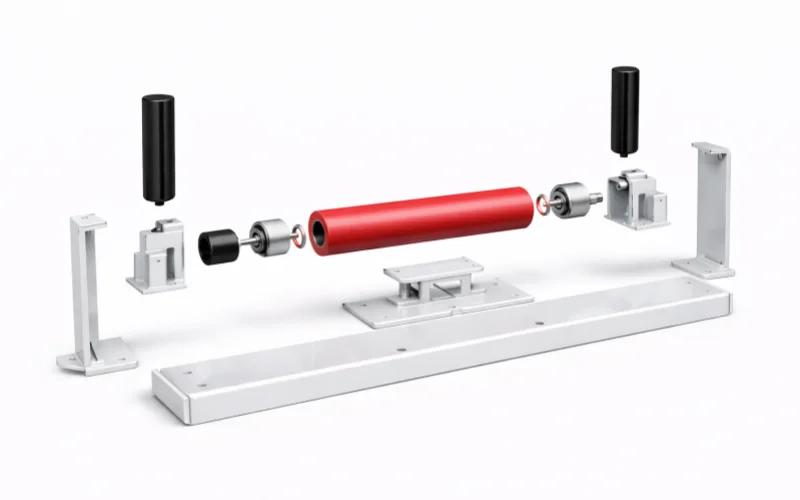
Structural Design for Self-Aligning Idlers
Many conventional self-aligning idlers respond slowly to belt deviation due to limited structural flexibility. IDLERON utilizes responsive pivoting mechanisms and optimized frame geometry to enable faster correction of belt misalignment, reducing edge wear, preventing material spillage, and maintaining stable conveyor operation over long distances.
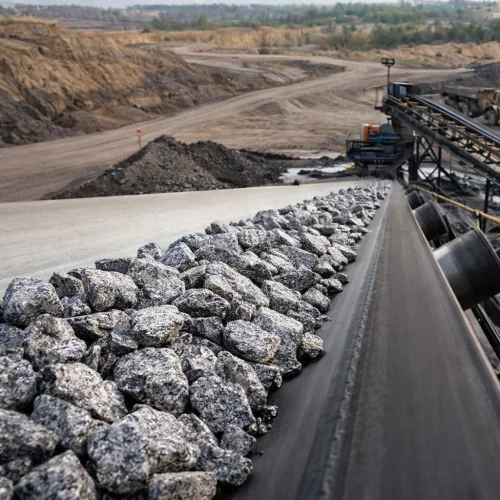
Engineering Advantages of IDLERON Conveyor Idlers
Performance differences between idlers are largely determined by engineering details that affect durability, resistance, and long-term reliability under real operating conditions.
Advanced Sealing System for Harsh Environments
Many standard idlers use basic sealing structures that allow dust and moisture to enter, leading to premature bearing failure. IDLERON adopts multi-stage sealing designs that effectively prevent contamination, significantly improving bearing protection, reducing failure rates, and ensuring stable operation in dusty, wet, and abrasive environments.
Low Rotational Resistance Design
Many standard idlers generate excessive rotational resistance due to poor bearing matching, high-contact sealing structures, and shaft misalignment. IDLERON reduces resistance by optimizing bearing selection, minimizing seal contact friction, and controlling concentricity during manufacturing, resulting in smoother rotation, lower energy consumption, reduced heat generation, and improved long-term operational efficiency.
Optimized Bearing and Load Configuration
Conventional idlers often use standard bearing configurations without precise load matching, resulting in uneven wear and reduced service life. IDLERON optimizes bearing selection and load distribution based on application requirements, ensuring smoother rotation, reduced vibration, and consistent performance under continuous heavy-duty operating conditions.
Reinforced Structure for Long Service Life
Standard designs may not provide sufficient structural strength under high load or impact conditions, leading to deformation or early failure. IDLERON applies reinforced tube, shaft, and structural configurations to enhance durability, maintain stability, and ensure reliable performance in demanding, high-capacity conveying applications.
Conveyor Idlers for Different Industries
Different industries require specific idler configurations to handle varying load conditions, environmental challenges, and operational demands.

Mining and Quarry Operations

Cement and Bulk Powder Handling
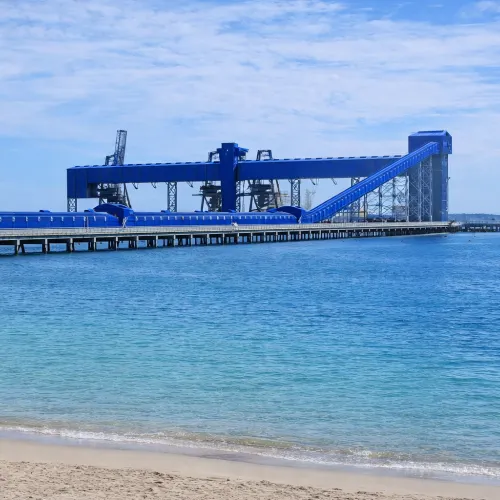
Ports and Bulk Material Terminals
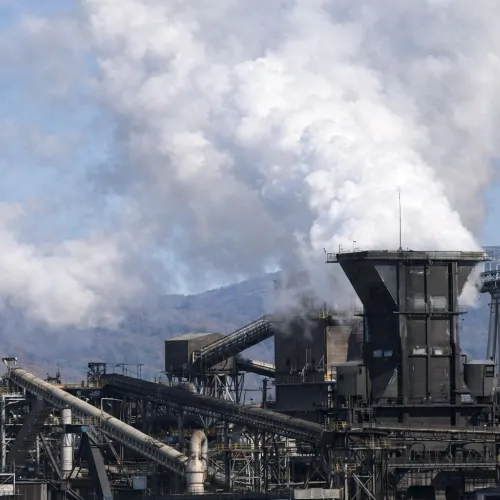
Power Plants and Continuous Conveying Systems
Manufacturing Capability for Consistent Idler Quality
Reliable idler performance depends not only on design, but also on manufacturing precision and process control throughout production.
Precision Tube and Shaft Machining
Inconsistent machining in standard production often leads to runout, imbalance, and increased rotational resistance. IDLERON applies controlled machining processes for tube and shaft components, ensuring accurate concentricity and dimensional consistency, which improves rotation stability, reduces vibration, and supports long-term performance under continuous operating conditions.
Batch Consistency and Quality Stability
Variations between production batches can lead to unpredictable performance and increased maintenance risk. IDLERON maintains consistent production standards and process control to ensure uniform quality across large orders, providing reliable performance, reducing replacement frequency, and supporting stable long-term conveyor system operation.
Sealing Integration and Process Consistency
In many cases, sealing performance varies due to inconsistent installation and lack of process control. IDLERON ensures sealing components are assembled under controlled conditions, maintaining uniform sealing effectiveness across batches, preventing contamination, and improving reliability in dusty, wet, and abrasive operating environments.
Controlled Assembly and Bearing Installation
Improper bearing installation and loose assembly tolerances can result in misalignment and premature failure. IDLERON follows controlled assembly procedures to ensure correct bearing positioning and stable fit, maintaining alignment between components and reducing internal stress that affects rotation performance and service life.

Quality Control and Standards Compliance
Each idler is verified through measurable inspection and testing before delivery.
- Tube diameter & shaft tolerance measurement — ensure fit accuracy and alignment
- Bearing housing precision check — maintain concentricity and stable rotation
- Rotation smoothness & runout testing — reduce vibration and resistance
- Sealing integrity inspection — prevent dust and moisture ingress
- Standard compliance verification (CEMA / DIN / MT) — ensure system compatibility
Custom Conveyor Idler Solutions
If your conveyor handles sticky or high-moisture materials, return idlers can be configured as rubber disc return idlers or spiral return idlers to reduce material build-up and improve self-cleaning performance.
If your application involves heavy loading or oversized materials, carrying idlers can be reinforced through structural adjustments to maintain load stability and prevent deformation under continuous operation.
If your system operates in high dust or water-exposed environments, sealing structures can be upgraded to enhance protection and reduce contamination risks affecting bearing performance.
If your conveyor experiences strong impact at transfer points, impact idlers can be customized with different rubber configurations or reinforced designs to improve shock absorption and protect the belt.

Frequently Asked Questions
-- Conveyor Idlers
Idler spacing should be calculated based on belt width, material weight per meter, and load distribution rather than using fixed intervals. Heavier loads and wider belts require shorter spacing to control belt sag and reduce stress on individual idlers. Proper spacing improves load stability and prevents long-term deformation of both belt and idler components.
The most common causes are contamination, improper sealing, and installation misalignment rather than load itself. Dust and moisture entering the bearing system gradually reduce rotation performance, while poor alignment creates uneven stress. In many cases, failure is progressive and not immediately visible, making preventive design and installation accuracy critical.
Self-aligning idlers are most effective when installed in areas prone to belt deviation, such as after loading points, before pulleys, or along long conveyor sections. They are used as corrective components rather than full replacements, helping maintain tracking stability and reducing edge wear without affecting the overall system structure.
Rotational resistance directly affects energy consumption and cumulative system efficiency. In long conveyors, even small increases in resistance per idler can significantly raise total power demand and accelerate belt wear. Controlling resistance helps maintain stable operation, reduce operating costs, and improve overall system reliability over time.
Selection should be based on actual impact conditions, including material size, drop height, and loading frequency. These factors determine the required level of shock absorption and structural strength. Choosing configurations that match real impact intensity helps prevent belt damage, reduce structural fatigue, and maintain long-term system stability.
Get the Right Idler Solution for Your Conveyor System
Tell us your belt width, application, and installation position — our engineers will recommend the most suitable idler configuration.