
China Impact Beds for Conveyors Manufacturer
Heavy-duty conveyor impact bed systems engineered to absorb material drop impact, reduce belt damage, and extend the service life of your belt conveyor.
- Continuous full-surface support for impact bed conveyor systems
- Reinforced steel frame with replaceable impact bars
- Designed for heavy bulk material drop zones
- Reduce idler failure and belt sag in demanding conditions
Optimizing Conveyor Loading Zone Performance
In bulk material handling systems, the loading zone plays a critical role in overall conveyor reliability. Proper belt support, impact absorption, and load stabilization are essential to maintain long-term system performance.
Improved Belt Protection at Transfer Points
At high material drop areas, controlled impact absorption and continuous support help maintain belt integrity and reduce localized stress concentration.
Enhanced Structural Support in High-Impact Zones
Replacing point-contact idlers with continuous support structures improves stability and distributes impact force more evenly across the belt surface.
Stabilized Material Loading and Reduced Spillage
Consistent belt support minimizes sag and helps maintain even material flow, contributing to cleaner and more stable conveyor operation.
Reduced Manual Maintenance Intervention
Optimized loading zone support structures can extend component lifespan and lower routine maintenance frequency in heavy-duty conveyor systems.
What Are Impact Beds for Conveyors
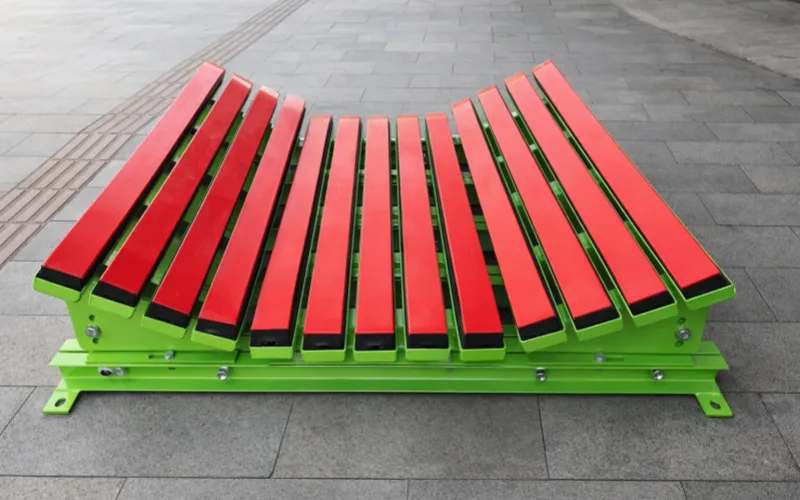
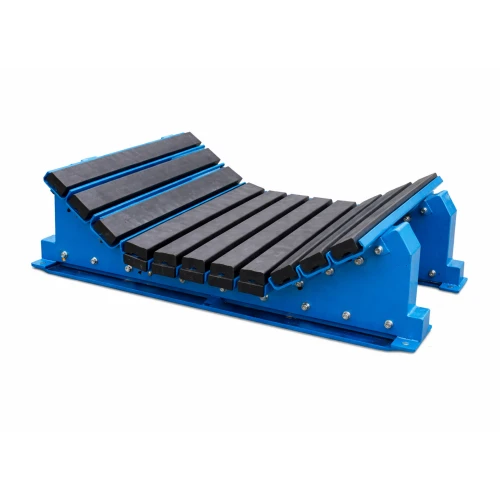
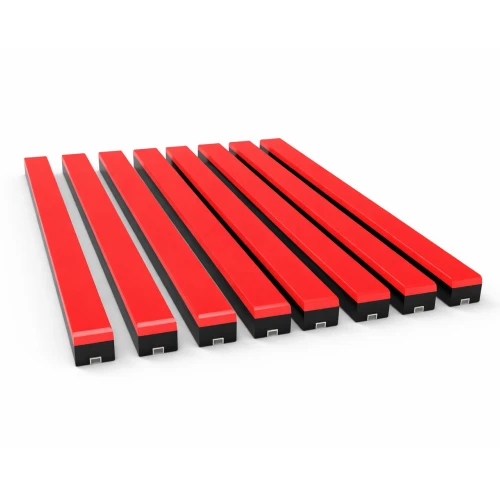
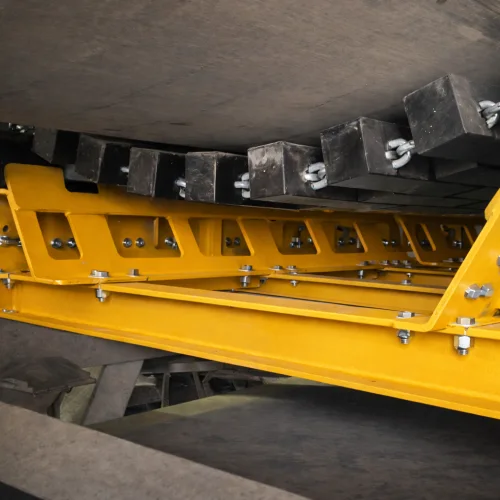
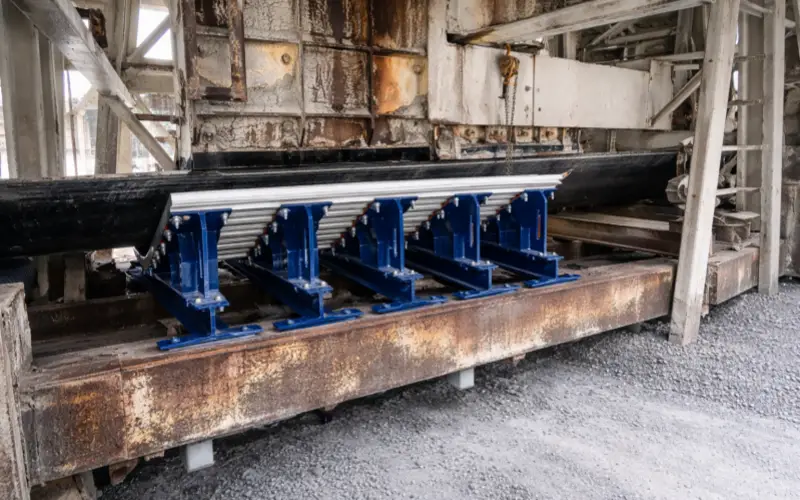
Impact beds for conveyors are continuous belt support systems installed at conveyor loading zones. Unlike traditional impact rollers, a conveyor impact bed replaces point-contact idlers with a reinforced support frame and impact bars designed to absorb material drop energy and protect the belt structure.
• Reinforced steel frame
• Impact bars with self-lubricating UHMW polyethylene top layer
• High-elastic rubber cushioning layer
• Aluminum alloy slot for secure mounting
The UHMW sliding surface reduces friction between the belt and support structure, while the elastic rubber core absorbs impact energy from falling materials. This design distributes impact force across the belt width, minimizing localized stress concentration and improving operational stability.

Compared to traditional impact idlers, impact bed conveyor systems provide continuous surface contact rather than segmented point support. This structural difference significantly improves load distribution and reduces belt sag in high-impact transfer zones.
Standard Size Range for Conveyor Impact Beds
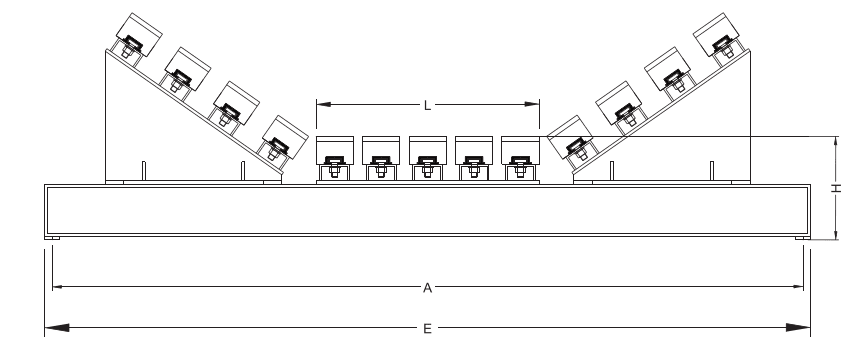
| Belt Width (mm) | Frame Width A (mm) | Overall Width E (mm) | Bar Length L (mm) | Frame Height H (mm) | Impact Bars Qty |
|---|---|---|---|---|---|
| 500 | 740 | 800 | 200 | 169 | 6 |
| 800 | 1090 | 1150 | 315 | 169 | 7 |
| 1000 | 1290 | 1350 | 380 | 204 | 9 |
| 1200 | 1540 | 1600 | 465 | 208 | 10 |
| 1600 | 1990 | 2060 | 600 | 268 | 13 |
| 2000 | 2420 | 2490 | 750 | 268 | 16 |

Structural Design and Component Configuration
The structural configuration of impact beds for conveyors determines how impact energy is absorbed and transferred within the loading zone. Frame rigidity, bar composition, and installation design must work together to maintain belt stability under high material drop conditions.

Reinforced Steel Frame Structure
The base frame of a conveyor impact bed supports both static load and dynamic impact forces generated at transfer points.
• Welded steel cross-beams
• Reinforced load-bearing supports
• Stable base mounting plates
• Dimensional alignment with conveyor stringers
Proper frame rigidity ensures that impact energy is transferred through the structure rather than concentrated on individual components.

Multi-Layer Impact Bar Composition
Each impact bar within an impact bed conveyor system consists of layered materials designed for different functional purposes.
• UHMW polyethylene sliding surface for low-friction belt contact
• High-elastic rubber core for impact energy absorption
• Aluminum alloy T-slot profile for secure and replaceable installation
This configuration allows material drop energy to be absorbed vertically while maintaining a smooth belt running surface.

Installation and Structural Adaptability
Impact beds for conveyors are typically installed at discharge points, directly beneath the belt. The system replaces impact idlers and integrates into existing conveyor structures.
Installation design considerations include:
• Belt width compatibility
• Trough angle matching
• Adjustable groove alignment
• Frame length configuration
Modular bar design allows individual impact bars to be replaced without removing the entire structure.
Impact Beds vs Impact Idlers
Both impact idlers and impact beds for conveyors are used to support the belt at transfer points. The selection depends on impact severity, material drop height, and operational requirements.
| Comparison Item | Impact Idlers | Impact Beds for Conveyors |
|---|---|---|
| Support Type | Point contact support | Continuous surface support |
| Impact Absorption | Limited to roller rubber rings | Multi-layer rubber impact bars |
| Belt Sag Control | Dependent on idler spacing | Full-width support minimizes sag |
| Maintenance Frequency | Higher in high-impact zones | Reduced due to distributed load |
| Component Replacement | Roller replacement required | Individual impact bar replaceable |
| Suitability | Moderate impact applications | High-impact loading zones |
Traditional impact idlers are suitable for moderate impact conditions and systems with lower material drop height. However, in high-capacity bulk handling systems, point-contact support may concentrate stress on localized areas of the belt.

Conveyor impact beds provide broader surface contact and layered impact absorption, allowing impact energy to be distributed across the belt width. This structural difference is particularly relevant in heavy-duty loading zones.
Applications of Impact Beds for Conveyors
Impact beds for conveyors are widely used across heavy bulk material industries with demanding load and throughput conditions.

Mining Operations
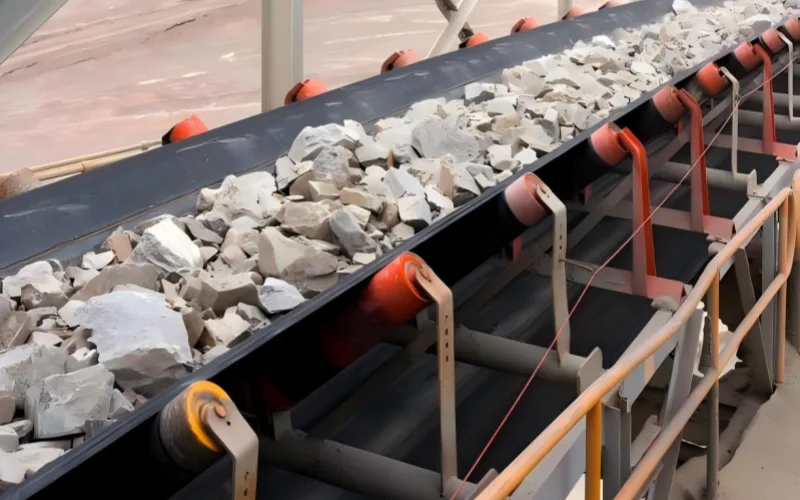
Mining conveyors handling coal or rock fragments operate under high-impact, high-tonnage conditions. Conveyor impact beds improve stability at transfer zones and protect belt integrity during heavy-duty operation.
Cement & Clinker Handling
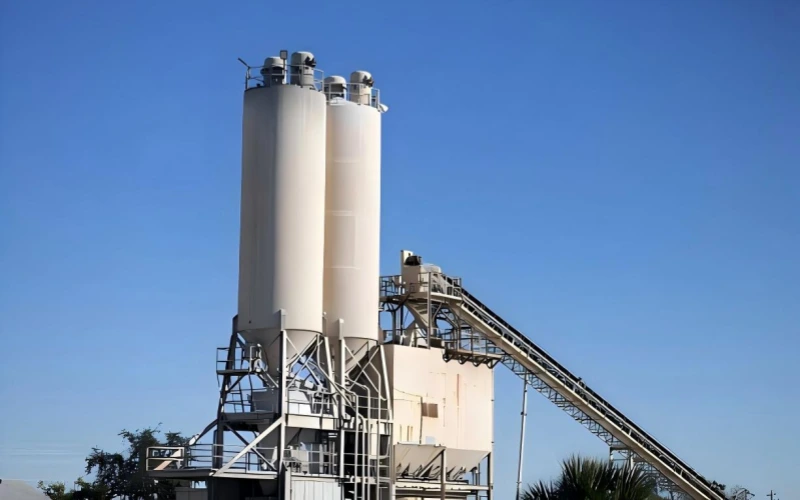
Cement production lines involve abrasive materials and continuous high-capacity flow. Impact bed conveyor systems help maintain stable belt operation and reduce localized wear in demanding environments.
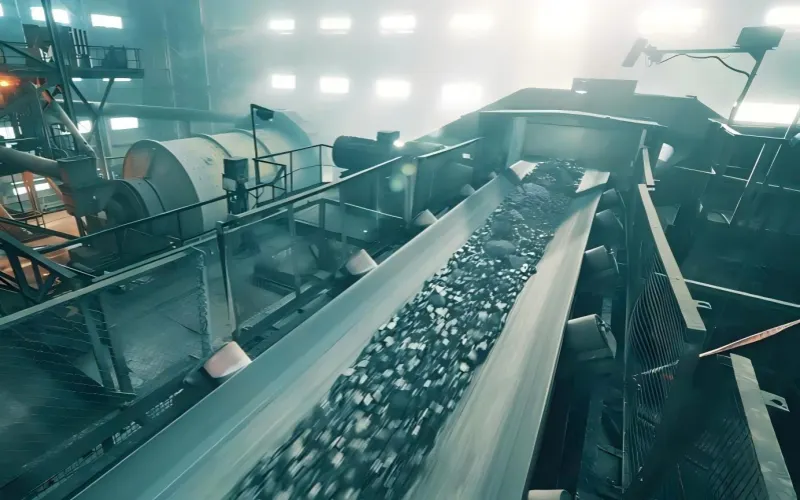
Coal Handling Systems
Power plant and industrial coal conveyors require consistent throughput and reduced maintenance interruption. Conveyor impact beds enhance system reliability under repetitive material drop conditions.
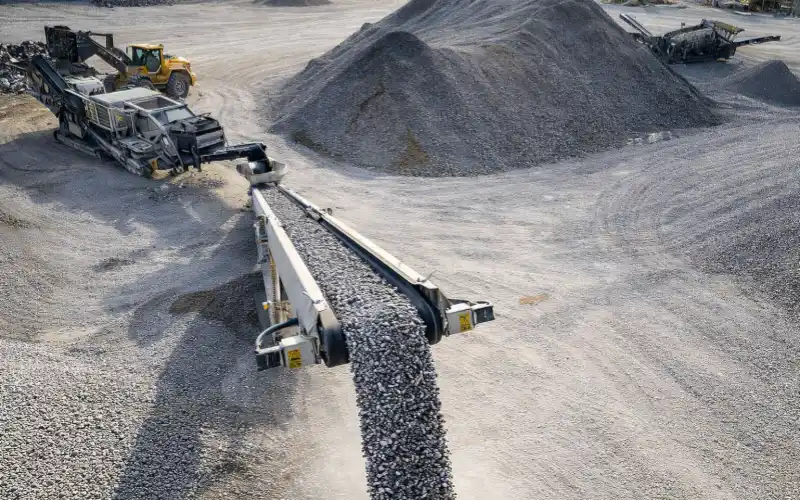
Quarry & Aggregate Processing
Aggregate conveyors often experience uneven material loading and varying lump sizes. Impact beds for conveyors provide distributed support to maintain belt load balance.
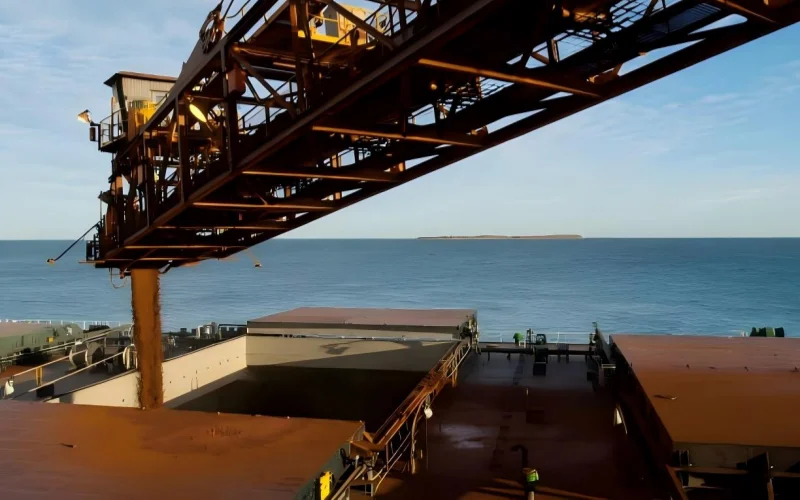
Port & Bulk Terminal Facilities
Bulk terminals handling grain, ore, or coal operate under fluctuating load volumes. Impact bed installations help stabilize belt movement in high-volume transfer operations.
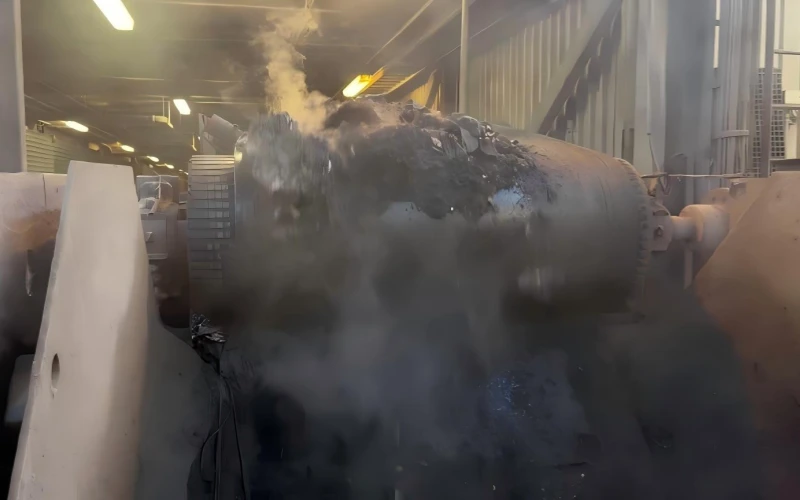
Steel & Metallurgical Plants
Steel conveyors handle metallurgical coal for smelting and slag from production processes. Impact beds for conveyors provide stable support under dense and abrasive conditions.

Impact Bed Selection Overview
Selecting impact beds for conveyors requires a clear understanding of the conveyor system layout and overall operating demands.
- Belt width
- Material lump size
- Drop height
- Conveyor capacity
- Trough angle
Customization and Configuration Options
Impact beds for conveyors can be configured to match different conveyor structures and operational requirements.

Frame Length
Adjustable frame length to suit transfer zone layout and structural spacing.

Trough Angle Matching
Manufactured to align with standard or custom trough angles.

Impact Bar Specification
Bar thickness and rubber elasticity selected according to impact conditions.

Surface Finish Options
Painted or galvanized frame available for different environments.

Modular Replacement
Individual impact bars can be replaced without removing the full structure.
Mounting Compatibility
Designed to integrate with existing conveyor stringers and support frames.
Frequently Asked Questions About Impact Beds for Conveyors
Impact energy is not stopped at the surface. When material strikes the belt, force transfers downward through the UHMW sliding layer into the elastic rubber core. The rubber compresses vertically and dissipates energy through controlled deformation.
The steel frame then distributes the remaining load across its cross members. This multi-stage transfer prevents direct force concentration on a single contact point.
Yes. In high-capacity conveyors, uneven loading often causes edge tension imbalance. Continuous support under the belt reduces differential deflection between the center and edges.
By stabilizing belt profile at transfer zones, impact beds help maintain more uniform tension distribution across the belt width.
Abrasive materials primarily affect the sliding surface rather than the structural frame. The UHMW layer provides low friction and wear resistance, while impact bars are designed for modular replacement.
This allows wear components to be replaced without dismantling the entire support assembly.
Performance issues often result from:
• Incorrect trough angle alignment
• Improper frame leveling
• Insufficient mounting support
• Inadequate clearance below the belt
Accurate positioning within the loading zone is critical to ensure even load distribution.
Maintenance cost is influenced by component accessibility and replacement strategy. Systems designed with modular impact bars allow targeted replacement instead of full structural removal.
Reducing unplanned idler replacement and minimizing belt stress can contribute to more predictable maintenance scheduling.
Technical Inquiry for Impact Beds for Conveyors
Discuss your loading zone requirements with our technical team to receive a suitable impact bed configuration reference.