Heavy-Duty Primary Polyurethane Belt Cleaner
Heavy-duty primary belt cleaner engineered for high-tonnage conveyor systems in mining, cement, and coal handling operations.
- Reinforced steel frame built for high-load conveyor systems
- Thicker polyurethane blade for longer service life
- Stable cleaning pressure under heavy material loads
- Designed for mining and abrasive bulk material conveyors

Heavy-Duty Structural Design for Demanding Conveyors
Conveyor systems operating in mining and bulk material handling environments require components capable of withstanding continuous operation, abrasive materials, and high material loads. This heavy-duty primary belt cleaner is designed with reinforced structural elements and a thicker polyurethane blade to ensure stable cleaning performance in demanding conveyor systems.

Reinforced Steel Support Frame
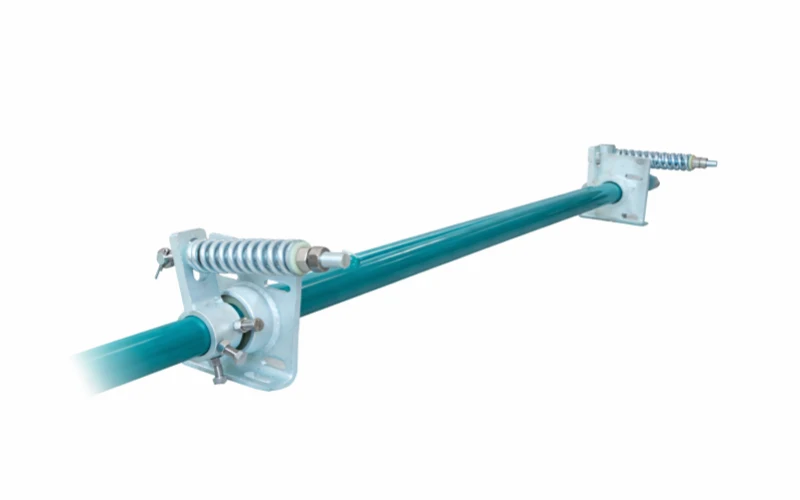
The cleaner assembly is built with a reinforced steel support frame designed for heavy-duty conveyor operation. The stronger structural design improves rigidity and helps the cleaner maintain stable positioning when operating under high loads and continuous material throughput.
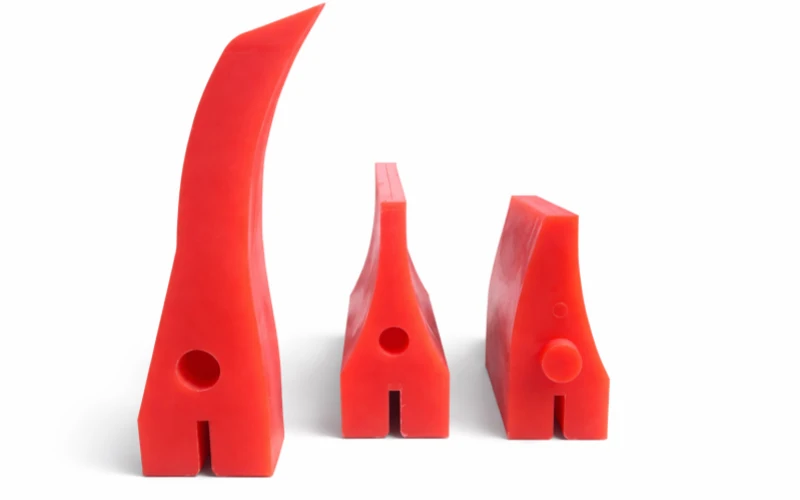
Thicker Polyurethane Blade Design
The polyurethane blade is manufactured with increased thickness and height compared with standard cleaners. This heavy-duty blade design improves wear resistance when handling abrasive materials such as ore, coal, aggregates, and cement.
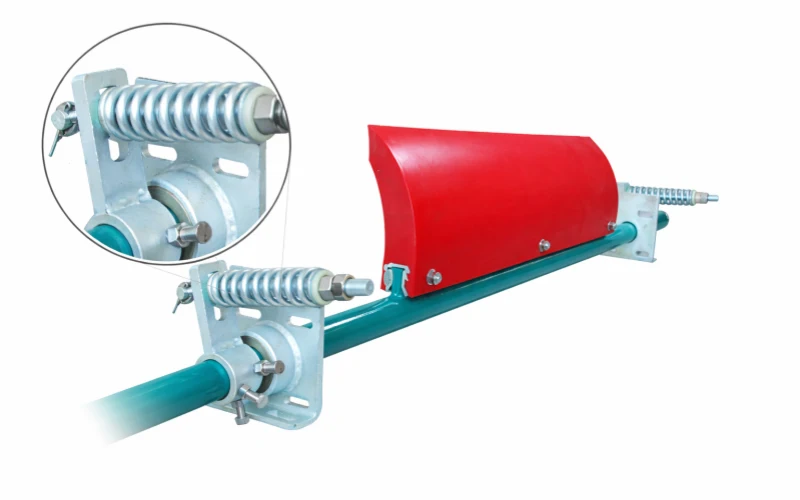
Spring Tension Pressure System
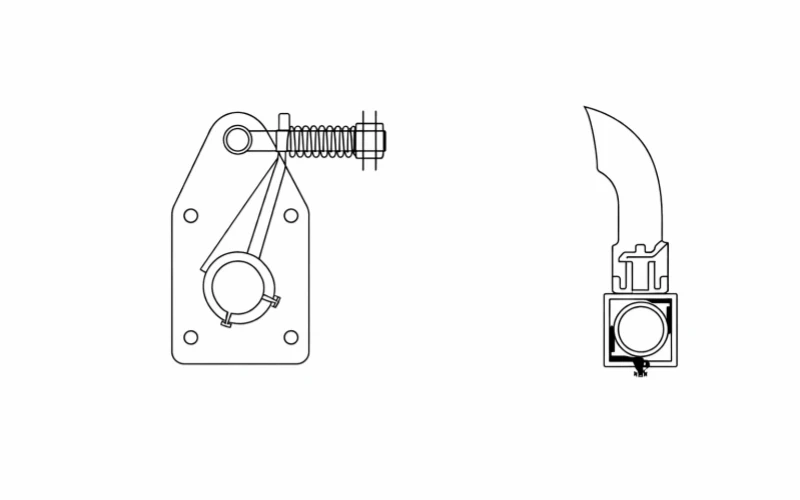
A spring tension mechanism is installed on both sides of the cleaner to maintain consistent blade pressure. This system helps the blade stay firmly in contact with the belt surface even during vibration, material impact, or minor belt fluctuations.
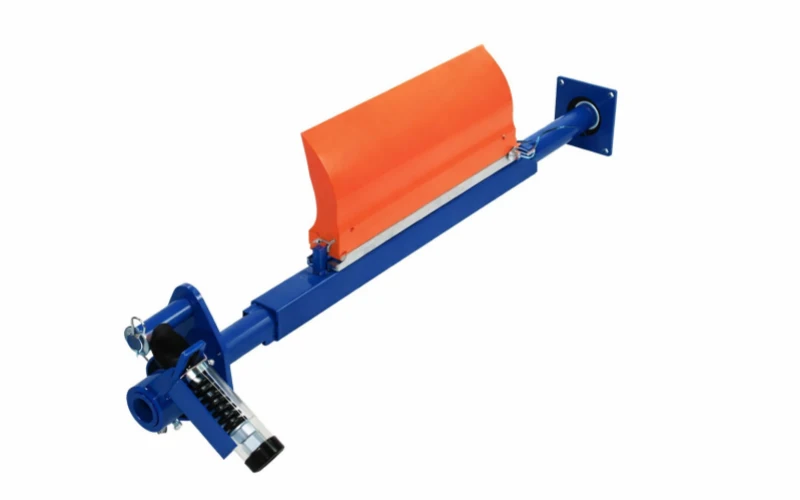
Modular Blade Replacement Structure
The blade assembly uses a modular pin-lock structure that simplifies blade removal during maintenance. This design allows operators to replace worn blades quickly while reducing maintenance time and minimizing conveyor downtime.
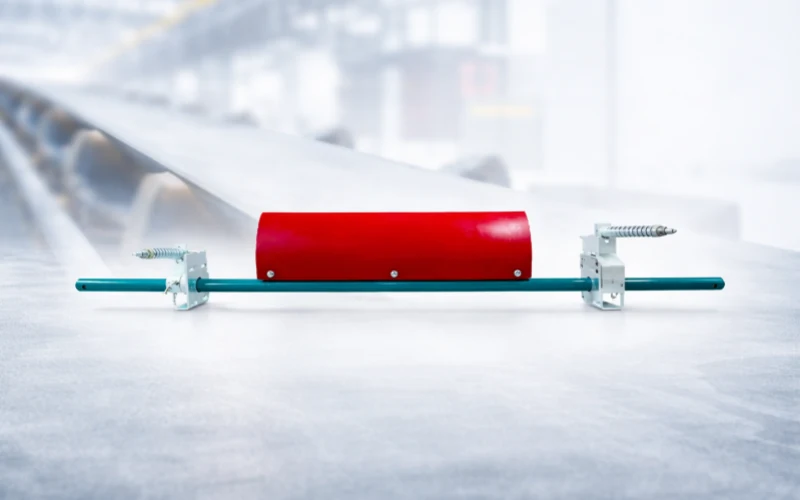
Heavy-Duty Cleaner Structural Design

Reinforced Cleaner Frame
- Heavy-duty steel support frame
- Designed for high-load conveyors
Main Support Shaft
- Steel shaft supports cleaner stability
- Maintains alignment across the belt width
Spring Tension System
- Spring tensioners maintain constant blade pressure
- Compensates for blade wear during operation
Polyurethane Blade Assembly
- Thick polyurethane blade mounted on aluminum base
- Pin-lock modular structure for quick replacement
Belt Width Compatibility
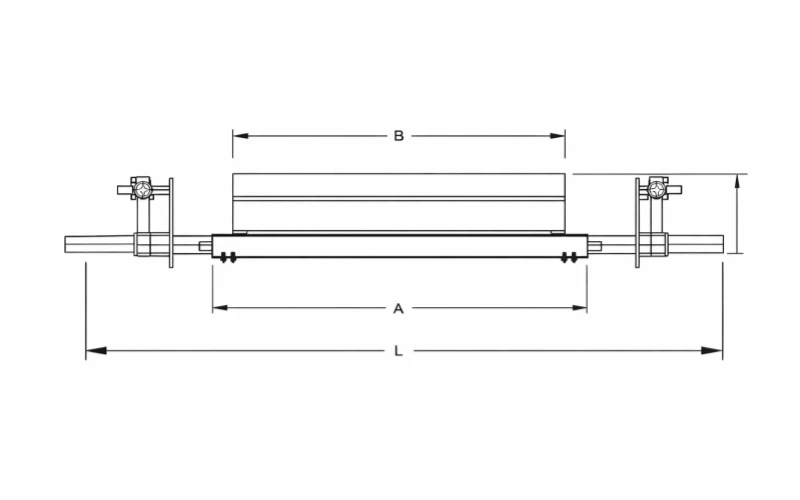
This heavy-duty primary belt cleaner is designed for a wide range of conveyor belt widths used in mining, cement, coal handling, and bulk material transport systems.Different cleaner sizes are available to match common conveyor belt widths.
Dimensional Specifications
| Belt Width (mm) | B (mm) | A (mm) | L (mm) |
|---|---|---|---|
| 500 | 457 | 500 | 1500 |
| 650 | 610 | 650 | 1650 |
| 800 | 762 | 800 | 1800 |
| 1000 | 915 | 1000 | 2000 |
| 1200 | 1067 | 1200 | 2200 |
| 1400 | 1220 | 1400 | 2400 |
| 1600 | 1372 | 1600 | 2600 |
| 1800 | 1524 | 1800 | 2800 |
| 2000 | 1677 | 2000 | 3000 |
| 2200 | 1829 | 2200 | 3200 |
Product Structure Diagram


Where Heavy-Duty Belt Cleaners Are Required
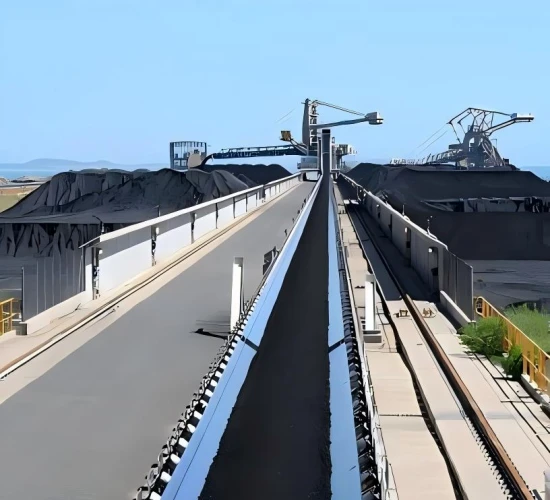
Heavy-duty belt cleaners are typically used in conveyor systems where standard cleaners wear quickly or fail to maintain stable contact pressure. These conditions usually involve wide belts, high material throughput, abrasive materials, and continuous operation.

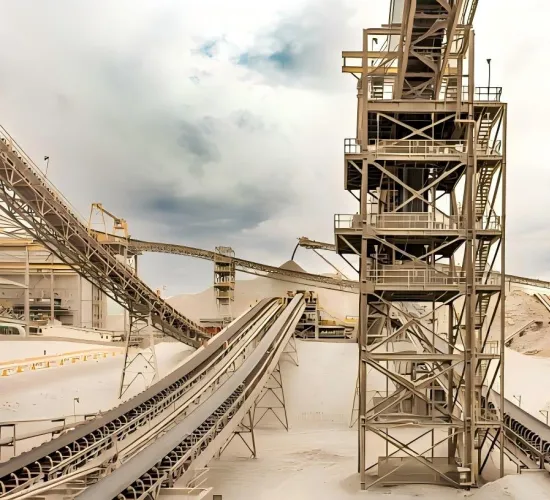
Large Mining Conveyors

High-Capacity Coal Conveyors

Cement Clinker Conveyors
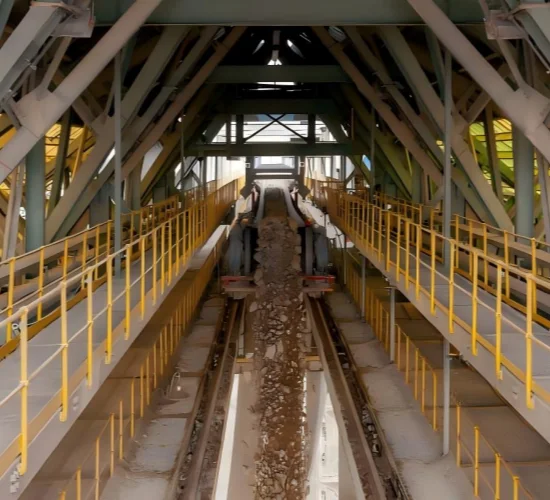
Wide-Belt Bulk Material Conveyors
Heavy-Duty vs Standard Belt Cleaners
Heavy-duty belt cleaners are designed for conveyor systems where standard cleaners cannot maintain service life or cleaning pressure.
The differences mainly come from blade thickness, structural strength, and stability under high material loads.
| Feature | Standard Belt Cleaner | Heavy-Duty Belt Cleaner |
|---|---|---|
| Blade Thickness | Usually 15–20 mm polyurethane blade | Typically 25–30 mm polyurethane blade |
| Structural Frame | Light support frame for moderate loads | Reinforced steel frame for high-load conveyors |
| Operating Conditions | Light or medium duty conveyors | High tonnage and abrasive material conveyors |
| Blade Pressure Stability | Pressure may drop as blade wears | Spring tension maintains constant pressure |
| Maintenance Frequency | More frequent blade replacement | Longer replacement intervals |
Installation Requirements for Heavy-Duty Belt Cleaners
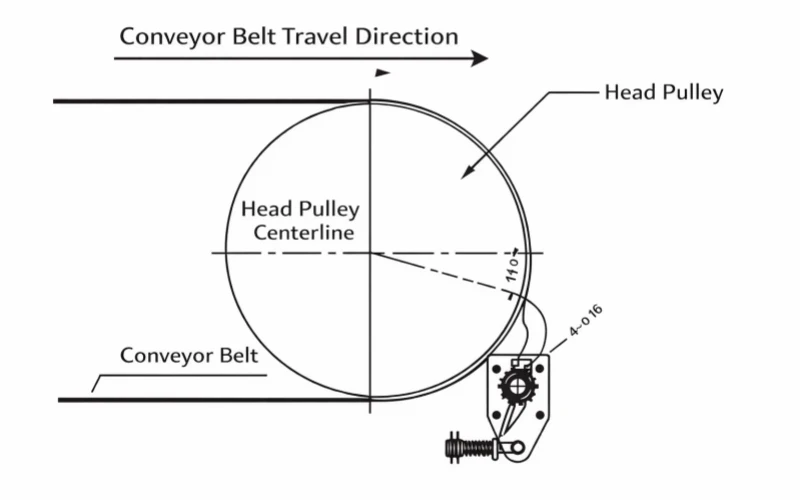
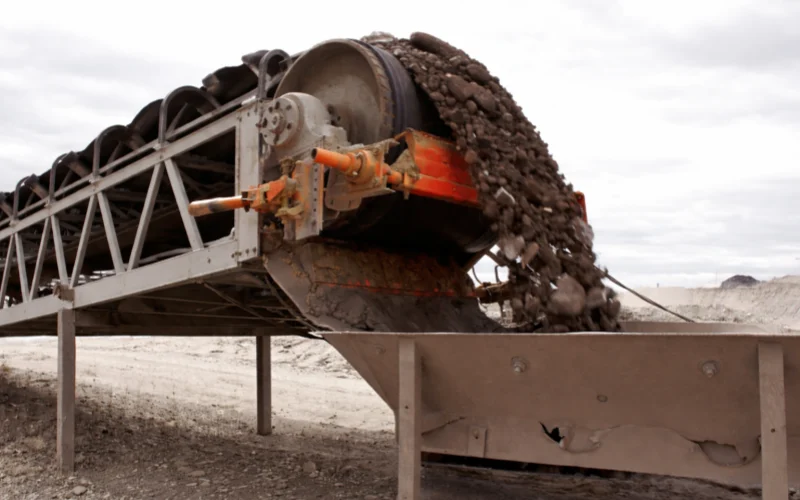
Heavy-duty primary belt cleaners are installed at the head pulley to remove carryback material immediately after the belt leaves the discharge point. Proper installation ensures stable blade pressure and consistent cleaning performance.
Head Pulley Installation
The primary cleaner is mounted on the discharge pulley, where the belt surface begins to separate from the material stream.
Installing the cleaner at this position allows the polyurethane blade to remove carryback material before it travels along the return belt.
Suitable Conveyor Width Range
Heavy-duty cleaners are typically used on conveyors with medium to large belt widths.
The cleaner frame and blade system can be configured to match different belt widths used in mining, cement, and bulk material handling systems.
Space for Blade Contact
Adequate space must be available around the head pulley to allow the blade to maintain proper contact with the belt surface.
Correct positioning helps maintain stable pressure across the belt width during operation.
Compatible Conveyor Conditions
Heavy-duty primary cleaners are commonly installed on conveyors handling abrasive bulk materials.
These systems often operate under high loading conditions where stronger cleaner frames and thicker blades provide longer service life.
Problems Caused by Inadequate Belt Cleaning
In heavy-duty conveyor systems, ineffective belt cleaning allows abrasive materials to remain attached to the belt surface after discharge.
When these materials travel along the return belt, they gradually create operational problems that affect conveyor reliability, equipment life, and maintenance workload.
Carryback Material Along the Return Line
Without an effective primary cleaner, bulk materials remain attached to the belt surface after the discharge pulley.
These materials move along the return belt and eventually fall beneath the conveyor structure, forming continuous material accumulation along the return line.
Over time, this buildup can bury return idlers and restrict roller rotation.
When rollers cannot rotate freely, conveyor resistance increases and belt misalignment problems may occur.
Material Buildup Around Conveyor Components
Falling carryback materials gradually accumulate around idlers, frames, and structural supports beneath the conveyor.
In heavy-duty conveying systems, large material volumes can quickly create significant buildup in these areas.
This accumulation can interfere with moving components and block maintenance access.
In severe cases, maintenance teams must stop the conveyor to remove the material manually.
Accelerated Conveyor Belt Wear
Abrasive particles trapped between the belt surface and return rollers create continuous friction during operation.
In heavy-duty material handling systems, this additional abrasion can significantly increase belt surface wear.
Over time, this wear may damage the belt cover rubber and reduce belt service life.
Shorter belt life results in higher replacement costs and increased maintenance frequency.
Increased Maintenance and Cleanup Work
Carryback materials that fall beneath the conveyor must be regularly removed to maintain safe operating conditions.
In conveyors transporting large volumes of bulk material, this cleanup work can become a frequent maintenance task.
Maintenance crews often need to shovel or remove accumulated material along the return line.
These repeated cleaning operations increase labor costs and may require temporary conveyor shutdowns.
Frequently Asked Questions
-- Heavy Duty Primary Polyurethane Belt Cleaners
Heavy-duty cleaners are typically recommended when conveyor belts exceed 1200 mm in width or when conveyor throughput exceeds 2000–3000 t/h.
At this scale, the blade length becomes longer and standard cleaners often struggle to maintain consistent pressure across the belt width. Reinforced frames and thicker blades help maintain stable cleaning performance under these conditions.
Carryback often persists when the cleaner cannot maintain uniform contact across the entire belt width.
On wide belts, small belt surface variations or pulley lagging wear can create gaps between the blade and belt. Material then passes under the blade and continues along the return belt.
Carryback becomes a significant issue when material begins to accumulate beneath the return belt faster than routine cleaning can remove it.
A common sign is when material buildup starts affecting return idlers, blocking roller rotation, or requiring regular manual cleanup during normal production shifts.
Mining ore and cement clinker contain sharp, abrasive particles that continuously scrape the blade edge during operation.
When combined with high belt speeds and large material volumes, this abrasion rate increases significantly, which is why thicker polyurethane blades are used in heavy-duty cleaning systems.
Uneven blade wear is usually caused by belt misalignment, uneven pulley lagging wear, or inconsistent blade pressure.
When one side of the blade experiences higher pressure than the other, the blade edge wears faster in certain areas and gradually loses effective contact with the belt.
Need a Heavy-Duty Belt Cleaner for Your Conveyor?
Tell us your belt width, material type, and operating conditions.
Our engineers will help you select the right cleaner configuration.